
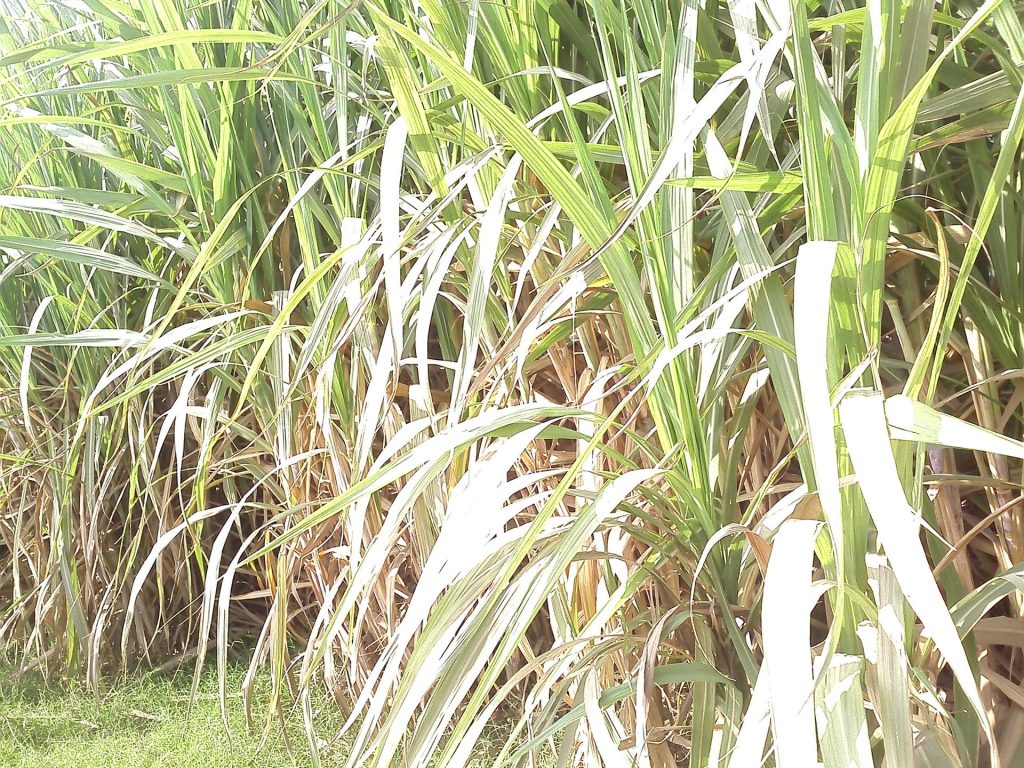
Pakistan Sugarcane Farmers Threaten to Burn Crops as Mills Stay Silent on Crushing and Price
Pakistan’s sugarcane farmers have run out of patience. On Tuesday, the country’s largest farmers’ group warned that growers will burn their standing crops if the government does not immediately announce when sugar mills will start crushing cane — and what price farmers will be paid for it.
The warning came from Khalid Mahmood Khokhar, president of the Pakistan Kissan Ittehad, at a press conference in Lahore. His message was blunt: after a season of record planting and rising costs, farmers are being left with a crop they cannot sell, while the mills that should be buying it stay silent.
“We do not beg for subsidies; we demand fair returns for our hard work,” Khokhar said.
What happened
Sugarcane is one of Pakistan’s biggest crops, and this year farmers planted more of it than ever. According to Khokhar, sugarcane cultivation grew by 16 percent compared with last year, covering 2.45 million acres in Punjab alone. The Pakistan Economic Survey 2025-26 recorded a record national crop of 89.45 million tonnes.
But a big crop is only good news if someone buys it. Sugar mills turn cane into sugar, and every year the government is supposed to announce two things before the harvest: the date mills must start crushing, and the minimum price they must pay growers.
This year, neither has been announced. With November already under way and the cane standing ripe in the fields, farmers say they have no idea when — or at what price — their crop will be bought.
“The government was quick to declare dates for the Basant festival, yet it remains completely silent on the sugarcane crushing schedule and support price,” Khokhar said, calling for an immediate agricultural emergency.
His warning was direct: if no coherent policy and crushing schedule is announced at once, farmers will burn their crops.
What the farmers are demanding
The Pakistan Kissan Ittehad has three main demands:
A fair price. The group says the minimum price for sugarcane should be at least Rs700 per maund (a maund is 40 kilograms). That figure is based on the cost of growing the crop, which Khokhar put at Rs550 per maund. A 25 percent margin on top of that cost, he argued, is the least a farmer should earn for months of work.
To put the demand in context, growers in Punjab received an average of only Rs460 per maund last season — about a third less than what farmers are asking for now.
A crushing date. The group originally demanded that mills start crushing by 10 November. That date has now passed without an announcement. Under the Punjab Sugar Factories Control Act of 1950, the government must set a start date, and mills must begin crushing no later than 30 November. Last season, Punjab ordered mills to start by 15 November.
Exports of surplus sugar. Because the crop is so large, farmers want the government to allow exports of surplus sugar, so that mills have the money to pay growers on time. In September, Khokhar had already asked the government to allow exports of 1 million tonnes of surplus sugar before the new season began.
Why a delay hurts farmers
For a sugarcane farmer, a late start to crushing is not just an inconvenience — it costs real money every day.
Once cane is ripe, it starts losing weight if it stays standing in the field. Less weight means less money, because mills pay by weight. So every week of delay quietly eats into a farmer’s income.
The delay also blocks the next crop. In Punjab and Sindh, wheat is sown in the fields after sugarcane is harvested. If the cane is not cut on time, wheat sowing is pushed back, which can reduce the wheat harvest too. Farmers in Sindh have pointed out that once crushing starts, around 1,500 acres a day can be freed for wheat sowing.
That is why the crushing date matters so much. It is not just about sugar — it decides whether the wheat season starts on time as well.
The cost squeeze: fertiliser prices have soared
Behind the price demand is a simple fact: farming has become far more expensive.
Farmers in Sindh say a bag of urea fertiliser that cost Rs1,700 five years ago now sells for Rs5,000. A bag of DAP fertiliser has risen from Rs2,400 to Rs18,000 over the same period. Diesel, electricity and labour costs have all risen sharply as well.
Khokhar added that urea is being sold openly at a black-market premium of Rs400 to Rs500 per bag, on top of the official price.
He also pointed to a painful contrast: while open-market wheat prices are around Rs5,500 per maund, sugarcane growers are not even given a proper calculation of their own production costs.
“Pakistani farmers face higher input costs than growers anywhere else in the world,” Khokhar said.
Sindh’s farmers are protesting too
The anger is not limited to Punjab. In Sindh, the Sindh Abadgar Board has made its own demands: a price of Rs647 per maund and crushing to start between 15 and 20 November.
The board’s president, Mahmood Nawaz Shah, warned of legal action or protests if the provincial government and the mills do not act. He said farmers’ demands had been ignored since October, even though the Sindh Sugar Control Act of 1950 obliges the provincial government to notify both the cane price and the start of the crushing season.
The board pointed out that in the last two years, neither the crushing season nor the crop rate was officially notified in Sindh. Mills there also missed their traditional mid-October start date this year.
According to the board, most of the roughly 700,000 acres of sugarcane in Sindh belongs to small farmers, who have not received a reasonable price for their crop for two years. The crop standing in the fields across the country is worth around Rs1,300 billion, the board said — an enormous sum to leave in limbo.
The board also raised a question about who owns the industry: Pakistan has about 75 sugar mills, owned by some 50 industrialists.
The bigger question: deregulation
The dispute comes at a moment of change for the sugar industry. The federal government is moving to deregulate the sugar sector, including abolishing the official price-fixing system and handing import and export decisions to the market.
Supporters of deregulation say the market, not the government, should set prices. Farmers fear the opposite: without a guaranteed minimum price, mills — which are far fewer and far more powerful than millions of small growers — will set the price themselves, and it will be low.
That fear is shaped by experience. Growers have long complained about arbitrary weight deductions at mill gates, late payments, and prices below the official rate. Farmer groups say the law is supposed to protect them, but it is rarely enforced.
Khokhar also widened the criticism beyond sugar. He regretted that Pakistan, a country once known for exporting cotton, is now forced to import its entire requirement of the crop. It was, he said, a sign of the lack of a long-term vision for farming in Pakistan — and he urged the country’s leaders and policymakers to intervene immediately to end what he called the step-motherly treatment of the farming sector.
What it means for ordinary Pakistanis
The standoff matters to far more people than farmers. Sugar is a daily essential in almost every Pakistani home, and the price of sugar on shop shelves is directly linked to what happens between growers and mills.
If crushing starts late and the crop is damaged, less sugar is produced, which can push prices up. If farmers burn their crops or stop planting cane in future seasons — as some in Sindh have warned they may — the shortage would be worse.
On the other hand, the price farmers receive is only one part of the cost of sugar. Taxes, mill costs, transport and shop margins all play a part. A higher cane price does not automatically mean much dearer sugar, but it does mean mills will pay more for their raw material.
There is also a transport angle. Diesel now costs Rs371 per litre after the latest price cut, and fuel is one of the biggest costs in moving cane from fields to mills. Petrol and diesel prices were cut again on 11 November, which gives farmers and transporters a small amount of relief — but it does not solve the bigger problem of a crop with no buyer and no price.
What happens next
Three things will decide how this ends.
First, the government must announce a date and a price. The law requires mills to start crushing by 30 November at the latest. If the announcement comes soon, farmers can plan their harvest and wheat sowing. If it slips to the end of the month, growers will lose weight — and money — on every tonne of cane.
Second, the mills must actually buy at the announced price. A support price only helps if it is enforced. In past seasons, growers have reported being paid less than the official rate, or waiting months for payment. Farmer groups will be watching whether this season is different.
Third, the deregulation plan must be explained. If the government is ending official price-fixing, farmers want to know what will protect them instead. Without a clear answer, the suspicion that mills will set prices to suit themselves will only grow.
For now, the threat to burn crops is a warning, not an action. But it is the strongest signal yet that Pakistan’s sugarcane growers feel they have nothing left to lose. The crop is ready, the costs are already paid, and the mills are silent. The next few days will show whether anyone in power is listening.
Frequently asked questions
Why are sugarcane farmers threatening to burn their crops?
Because the government has not announced when sugar mills will start crushing cane or what minimum price farmers will be paid, even though the harvest season has begun. The farmers’ group, Pakistan Kissan Ittehad, says growers will burn their crops if no policy and crushing schedule is announced immediately.
What price are the farmers demanding?
Rs700 per maund (40kg). They say the cost of growing a maund of cane is Rs550, so Rs700 gives them a fair 25 percent margin. Last season, Punjab growers received an average of only Rs460 per maund.
When should crushing start?
Farmers wanted mills to start by 10 November. Under the Punjab Sugar Factories Control Act of 1950, mills must begin crushing by a government-set date and no later than 30 November. Last season, Punjab ordered mills to start by 15 November.
Why does a delay in crushing cost farmers money?
Ripe sugarcane loses weight if it stays standing in the field, and mills pay by weight — so delays directly reduce farmers’ income. Delays also push back wheat sowing in the same fields, which can cut the wheat harvest too.
What is happening in Sindh?
The Sindh Abadgar Board is demanding Rs647 per maund and crushing from 15 to 20 November. It says neither the crushing season nor the crop price has been officially notified in Sindh for the last two years, and has warned of legal action or protests.
What is the government doing about sugar prices?
The federal government is moving to deregulate the sugar sector, including ending official price-fixing and leaving import and export decisions to the market. Farmers fear that without a guaranteed minimum price, powerful mill owners will pay them less.
Conclusion
Pakistan has grown a record sugarcane crop this year — 89.45 million tonnes, planted over millions of acres. That should be a success story. Instead, it has become a crisis, because the system that is supposed to buy the crop and pay a fair price for it has not moved.
Farmers are asking for three simple things: a price that covers their costs, a date for crushing to begin, and a fair chance to sell what they grew. None of them is new, and none of them is unreasonable. What is new is the threat that, if nothing changes, they will set fire to the crop they spent a season growing.
Whether the government and the mills respond in the next few days will decide not only this season’s sugar supply, but whether farmers keep growing cane at all. A country that cannot pay its farmers fairly for a record crop will struggle to feed itself — and to keep sugar affordable — in the years ahead.
Sources
- Dawn, “Sugarcane growers threaten to burn crops”, 11 November 2026
- Lahore Times, “Kissan Ittehad Seeks Rs700 Cane Price And Nov 10 Start to Crushing”, 9 November 2026
- Dawn, “Growers body urges govt to notify cane crushing season”, 9 November 2026
- The Nation, “Farmers bodies demand Rs700 sugarcane support price”, 19 October 2026
This article is for general information and education only. It is not legal or financial advice.
