
World Bank Approves $300 Million for Clean Water and Sanitation in Rural Sindh: What It Means for 1.5 Million People
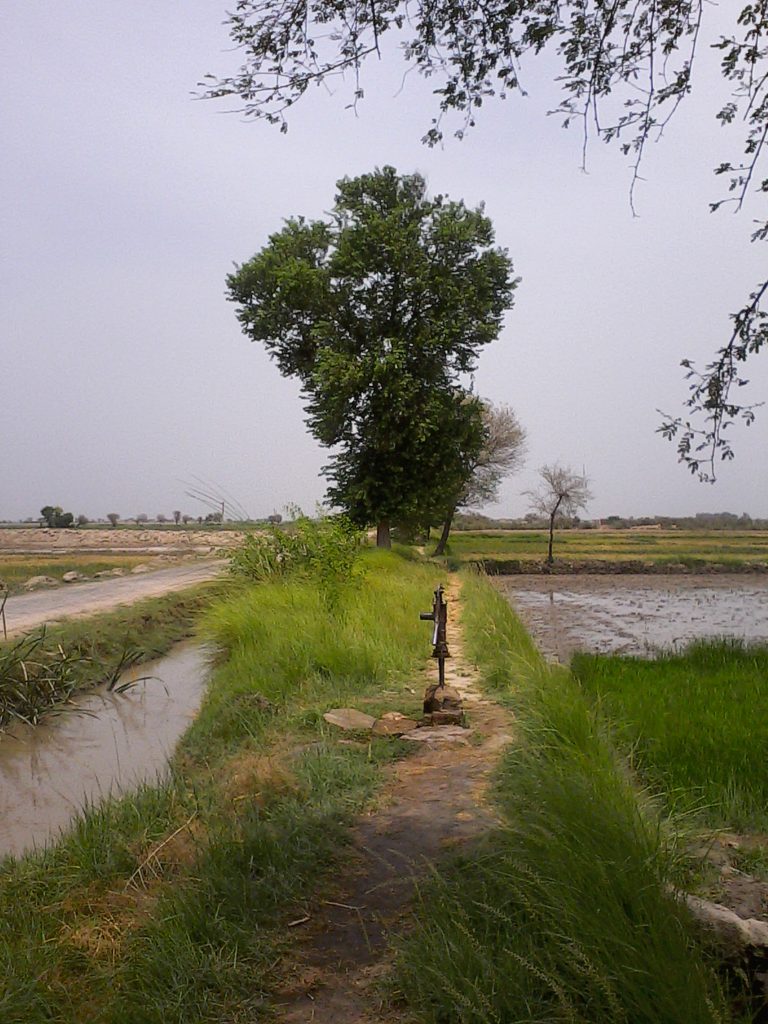
For millions of people in rural Sindh, clean drinking water is still not something they can take for granted. Many families rely on hand pumps, open wells and untreated water, and the health cost of that is visible in every village: children falling sick again and again, and far too many growing up shorter and weaker than they should be.
That is why the World Bank’s latest decision matters. On 13 November 2026, the bank’s Board of Executive Directors approved $300 million in financing to bring safe water, sanitation and hygiene services to 1.5 million people in selected rural areas of Sindh. The announcement was made by the World Bank’s resident mission in Islamabad on Saturday, 14 November.
The project is called STAR WASH-1 — short for the Sindh Transformational Accelerated Rural Water Supply, Sanitation, and Hygiene Services Phase 1 Project. It is the first step in a much bigger 10-year programme, and it is expected to create more than 14,000 jobs along the way.
In this article, we explain in simple terms what the World Bank has approved, who will benefit, where the money is coming from, what will actually be built, and why clean water in Sindh is about much more than taps and pipes.
What the World Bank Has Approved
The World Bank has approved $300 million in financing for rural Sindh’s water, sanitation and hygiene services. The money will support the STAR WASH-1 project, which aims to give 1.5 million people in selected rural areas of the province access to safe drinking water and safely managed sanitation and hygiene services.
The project is the first phase of a wider Pakistan Rural Water, Sanitation, and Hygiene Services Program, which is planned to run in four phases over 10 years. STAR WASH-1 is the starting point — the phase that sets up the systems, the infrastructure and the institutions that later phases will build on.
The World Bank’s country director for Pakistan, Bolormaa Amgaabazar, explained why the bank chose to focus on this problem. “Stunting is among Pakistan’s most severe and persistent human capital challenges, and unsafe water, sanitation and hygiene is a major underlying driver. By expanding access to these services for 1.5m people in rural Sindh, this project will help address one of the root causes of child stunting,” she said.
In other words, this is not just a water project. It is a health project, an education project and a development project, all rolled into one.
Who Will Benefit: 1.5 Million People in Rural Sindh
The project targets 1.5 million people living in selected rural areas of Sindh. These are communities where piped, treated water is often unavailable, and where families depend on water sources that may look clean but are not safe to drink.
Two clear goals have been set for the project. The first is to halve water contamination at the point of use — that is, to cut by half the germs and pollutants in the water people actually drink at home, not just at the source. The second is to connect 80 percent of the targeted rural communities to a professional water and sanitation service provider, so that water supply is run properly and maintained over time, rather than left to break down after a few months.
That second goal matters a great deal. Across rural Pakistan, water schemes have often been built and then abandoned because no one was responsible for running them, fixing them or collecting the money to keep them going. By linking communities to a professional provider, the project aims to make sure the new systems keep working long after the ribbon-cutting.
Where the Money Comes From: A $540 Million First Phase
The World Bank’s $300 million is the largest single contribution, but it is not the only money involved. The first phase of the project has a total cost of $540 million, put together from three sources:
- $300 million from the World Bank, approved by its Board of Executive Directors on 13 November 2026.
- $150 million from the Asian Development Bank (ADB), provided under a recently agreed co-financing arrangement known as the Full Mutual Reliance Framework, with the World Bank acting as the lead agency.
- $90 million from the Government of Sindh in counterpart funding.
This kind of joint financing is common for large development projects. It spreads the cost, brings in the expertise of more than one institution, and shows that the provincial government itself has a stake in making the project work.
To put the World Bank’s commitment in context, the bank currently has 47 projects under implementation in Pakistan, with a combined portfolio worth about $16.1 billion. The Sindh water project is one of the newest additions to that portfolio.
What Will Actually Be Built
So what will the money pay for? According to the World Bank, STAR WASH-1 will finance climate-resilient infrastructure — systems designed to keep working even as weather patterns change and floods and droughts become more common in Sindh.
The main items include:
- Solar-powered water supply systems in rural communities, so that pumps keep running without depending on an unreliable electricity grid or expensive diesel fuel.
- Improved sanitation facilities, including better toilets and latrines.
- Wastewater management systems, so that dirty water is treated and disposed of safely instead of flowing back into the water people drink.
- The extension of water supply schemes to communities that currently have none.
The project will also support the formalisation of the Sindh People’s Housing for Flood Affectees (SPHF) — a government-owned, not-for-profit organisation — into a dedicated rural water, sanitation and hygiene utility company. In simple terms, SPHF will become the professional body responsible for running water and sanitation services in rural Sindh, with proper staff, systems and accountability.
That institutional change may turn out to be just as important as the pipes and pumps. A utility company can plan maintenance, hire trained staff, collect fees fairly and answer to the public when things go wrong. A one-off construction project cannot do any of that.
Why It Matters: The Link Between Dirty Water and Stunting
The most striking fact behind this project is about children. More than half of children under five in rural Sindh are stunted — meaning they are much shorter than they should be for their age because of poor nutrition and repeated illness in their early years.
Unsafe water and poor sanitation are a major reason why. When young children drink contaminated water, they suffer repeated bouts of diarrhoea. Each bout damages their gut and stops their body absorbing nutrients properly from food. Over months and years, that lost nutrition adds up — and the child does not grow as tall, as strong or as healthy as they could have.
Stunting is not only about height. Children who are stunted often also face slower learning and weaker development, and the effects can follow them for life — into school, into work and into their own health as adults. That is why the World Bank’s country director called stunting “among Pakistan’s most severe and persistent human capital challenges.”
Clean water, safe toilets and good hygiene will not solve stunting on their own — food, healthcare and mothers’ health matter too. But removing contaminated water from the picture takes away one of the biggest obstacles standing in the way of healthy childhoods in rural Sindh.
Jobs and a Stronger Local Economy
The project is also expected to generate more than 14,000 jobs. Building water supply systems, laying pipes, installing solar pumps and constructing sanitation facilities all need workers, engineers, drivers and suppliers — and much of that work will happen in the very communities the project is meant to serve.
Beyond the construction jobs, the new utility company will need permanent staff to run and maintain the systems. That means long-term employment, and it means skills staying in rural Sindh instead of leaving for the cities.
There is a wider economic point too. When families spend less time fetching water and less money treating waterborne illness, they have more time and money for everything else — farming, school, small businesses and daily life. Clean water is one of those investments that pays for itself many times over, quietly, in healthier and more productive communities.
What Happens Next
Approval by the World Bank’s board is the green light, but it is only the beginning. The next steps will include finalising the project agreements, setting up the implementation arrangements with the Sindh government and the ADB, and beginning the detailed work of surveying communities, designing the water systems and hiring the people who will build them.
Because STAR WASH-1 is the first of four phases planned over 10 years, its success will shape what follows. If the first phase shows that rural communities can be connected to reliable, professionally run water services, the later phases can extend the same model to more areas — and possibly to other provinces as well. The wider programme’s total envelope is estimated at around $2.45 billion.
For the 1.5 million people in the project’s target areas, the change will not arrive overnight. But the decision taken on 13 November is the moment a long-standing problem in rural Sindh finally got a funded, structured plan behind it — with money, partners and a new utility to carry it forward.
Frequently Asked Questions
How much money has the World Bank approved for Sindh’s water project?
The World Bank has approved $300 million in financing for the STAR WASH-1 project in rural Sindh. The first phase of the project costs $540 million in total, with the Asian Development Bank contributing $150 million and the Government of Sindh providing $90 million.
How many people will benefit from the project?
The project aims to provide 1.5 million people in selected rural areas of Sindh with access to safe drinking water and safely managed sanitation and hygiene services. It also aims to connect 80 percent of the targeted rural communities to a professional water and sanitation service provider.
What is STAR WASH-1?
STAR WASH-1 stands for the Sindh Transformational Accelerated Rural Water Supply, Sanitation, and Hygiene Services Phase 1 Project. It is the first phase of a 10-year, four-phase programme to improve rural water, sanitation and hygiene services in Pakistan.
Why is the project focusing on child stunting?
More than half of children under five in rural Sindh are stunted. Unsafe water and poor sanitation cause repeated diarrhoea in young children, which stops their bodies absorbing nutrients properly and limits their growth and development. Expanding access to clean water and sanitation tackles one of the root causes of stunting.
How many jobs will the project create?
The project is expected to generate more than 14,000 jobs, mainly through the construction of water supply systems, solar-powered pumps and sanitation facilities, as well as through the new rural water utility that will run the services.
What kind of infrastructure will be built?
The project will finance climate-resilient infrastructure, including solar-powered water supply systems, improved sanitation facilities, and wastewater treatment and disposal systems in selected rural areas of Sindh.
Conclusion
The World Bank’s $300 million approval for rural Sindh is one of those stories that may not make dramatic headlines, but could change daily life for 1.5 million people. Clean water at home, a safe toilet, and a water system that actually keeps working — these are basic things, yet they remain out of reach for too many families in rural Sindh.
With the Asian Development Bank and the Sindh government adding their own funding, a total of $540 million is now behind the first phase of a 10-year plan. More than 14,000 jobs are expected, a new utility company will take charge of running rural water services, and the project takes direct aim at one of the root causes of child stunting — unsafe water.
The real test, as with any big development project, will be in the delivery: whether the systems are built well, whether they keep running, and whether the communities they serve notice the difference in their health and their daily lives. The funding is now in place. The work begins next.
Sources
Dawn — “World Bank okays $300m for Sindh’s water, sanitation services”
ARY News — “World Bank Approves $300 Million for Water Projects in Sindh”
Traders Union — “World Bank approves $300 million Sindh water and sanitation financing”
This article is for general information and education only. It is not legal or financial advice.

Pingback: Pakistan Issues Drought High Alert for Sindh and Balochistan as Crops Fail and Food Insecurity Grows - Findivoza