
Freed American teacher Stephen Hubbard tells Trump he ‘wouldn’t have lasted another year’ in Russian prison
Stephen Hubbard spent more than four years in Russian custody, most of it in silence, cut off from American officials and often unsure where he even was. On Friday, 30 October 2026, the 74-year-old retired teacher from Michigan sat in the Oval Office with President Donald Trump and said, in his first public remarks since his release, that he did not think he would have survived much longer.
“I wouldn’t have lasted another year,” Hubbard told Trump, according to reports of the meeting. His son, Joseph Coleman, who was with him, told the president: “I was afraid we were going to lose him there.”
It was a short, emotional appearance — nine days after Hubbard walked out of a Russian prison — and it closed one chapter of a case that had quietly become a test of how far personal diplomacy between Trump and Vladimir Putin could go. Hubbard was freed on 21 October, when the Russian president announced his release at the start of talks with the US special envoy Steve Witkoff in St Petersburg. Washington says the United States gave nothing in return.
At a glance
What happened: Stephen Hubbard, a 74-year-old retired American teacher held in Russia for more than four years, met President Donald Trump in the Oval Office on 30 October 2026, nine days after his release on 21 October.
Why it matters: Hubbard’s freedom came through a direct appeal from Trump to Vladimir Putin, with no prisoner exchange — and Trump used the meeting to defend his decision not to impose new sanctions on Russia while the release was being negotiated.
What happens next: Hubbard is back with his family in the United States after medical checks, while other Americans remain in Russian custody and the wider US–Russia talks over the war in Ukraine continue.
The Oval Office meeting
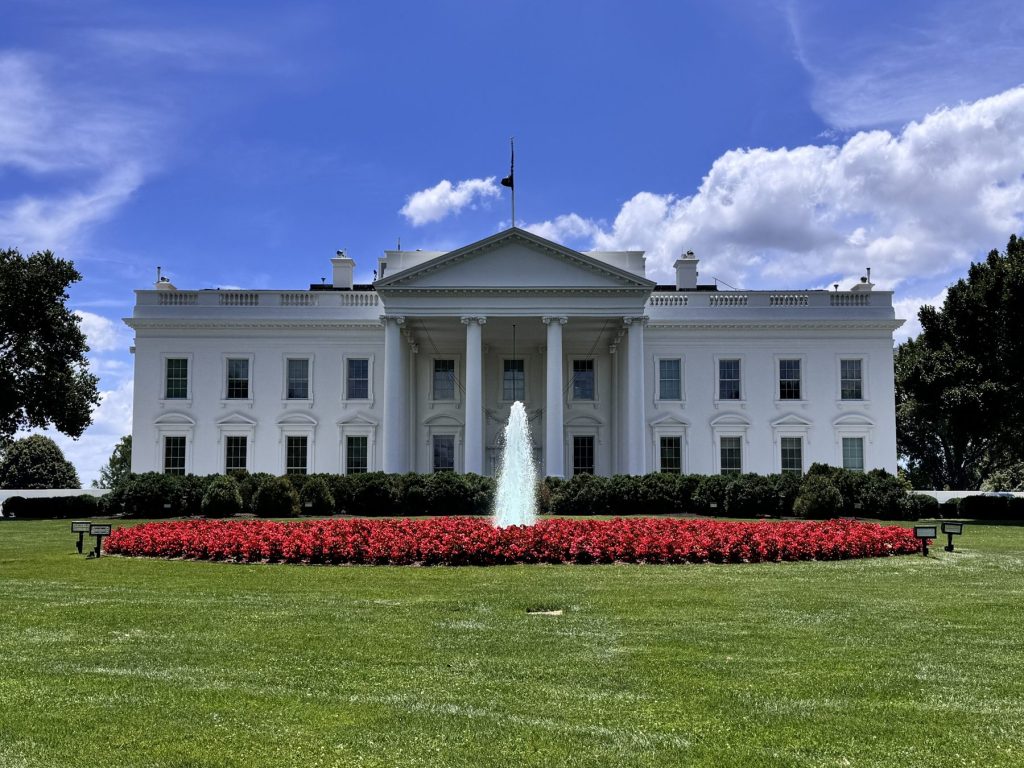
Trump welcomed Hubbard to the White House on Friday and invited a small group of reporters into the Oval Office, where the president called him a “very special man” who had “suffered greatly”. The White House allowed in a limited pool of journalists, mostly news photographers and a television crew, for the meeting.
It was Hubbard’s first public appearance since his release, and his first chance to describe, in his own words, what the end of his imprisonment had felt like. He told reporters that he had heard promises of release many times before and had stopped believing them.
“I had heard it many times before, and I reached the state where seeing is believing,” he said. “Actions speak louder than words. I never trusted what they said.”
What finally convinced him, he said, was something small and practical: new clothes. “Only when they started giving me new clothes and leading me to the exit of the prison,” he said. “I went out and I saw the car and I was accompanied by a couple of Russians. Then I believed, finally believed, on the drive from Moscow to St Petersburg, ‘I’m really going somewhere.’”
Trump asked him about his treatment in prison. “I think I could say that you were treated reasonably well, right?” the president said. Hubbard answered yes, adding that he had even been treated “sympathetically by some of the guards”.
That exchange sat alongside a grimmer account Hubbard had given in an interview a day earlier. He said guards had beaten him while he was held as a prisoner of war, though he described the beatings as “not severely”. He said meals came three times a day but were not enough: “We got enough to live, but it wasn’t fulfilling.” He also said he had been forced to sing Russia’s national anthem.
Hubbard was careful about what he said publicly. He said he did not want to endanger Americans who were still imprisoned in Russia, and he pushed back on some of the most severe descriptions of his treatment that had circulated, saying some accounts were exaggerated.
Who is Stephen Hubbard?
Hubbard, 74, is a retired schoolteacher who grew up in Big Rapids, Michigan, and served in the US Air Force and National Guard, according to military records cited by the New York Times. He earned a master’s degree in English and lived in Japan for 25 years, where he taught English, before moving to Cyprus and then, in 2014, to Izium in eastern Ukraine, where he lived with a Ukrainian partner.
His sister, Patricia Hubbard Fox, told Reuters in 2024 that he lived on a pension of about $300 a month and had few connections with local people. The siblings last spoke in September 2021.
He was, by every account from his family, an unlikely prisoner of war: a man in his seventies, living quietly in a small Ukrainian city, teaching English online. His lawyer, Martin De Luca, says Russian soldiers took him from his home and that he had never belonged to a combat unit.
How he was detained and convicted
Russia launched its full-scale invasion of Ukraine in February 2022 and captured Izium two months later. Ukrainian forces retook the city in September 2022, but Hubbard was already in Russian custody by then.
Russian state media said he had been detained in April 2022 and alleged he had been manning a Ukrainian military checkpoint. Reuters said it could not independently establish the circumstances of his capture. His sister said she recognised her brother in a video posted online that showed a man being questioned about his views on Putin and the war. Another video showed him with his hands bound, being struck with a sandal. Reuters said it could not verify when or where the videos were recorded.
After a closed trial, a Moscow court convicted Hubbard of being a mercenary in October 2024 and sentenced him to six years and 10 months in prison. Prosecutors said he had joined a Ukrainian territorial defence unit, received training, weapons and ammunition, and had been promised $1,000 a month. Russian state media said he had pleaded guilty to the charges he faced.
His sister questioned the reported confession, saying Hubbard held pro-Russian views and was unlikely to have taken up arms in his seventies. His lawyer told Reuters in June 2025 that Hubbard had told him the charges were false and that he was not in any combat or military unit. He cited Hubbard as telling him that Russian soldiers had simply grabbed him from his house.
In January 2025, Washington formally designated Hubbard as wrongfully detained, a step that enabled the US government to pursue negotiations for his release. Even so, the State Department said Russia refused to grant US officials consular access to him.
The New York Times reported in February 2025 that Hubbard had been moved through at least five Russian detention centres before his trial. His legal team found out only in April 2025 that he was being held in a facility in the Mordovia region, east of Moscow. Contact with his family was rare: a brief call to a son in Cyprus on 28 May 2025, and messages passed through the US embassy roughly every six months.
The long road to release
The first sign that the end was near came quietly, about a week before his release. Around 15 October, a guard fitted Hubbard for a new coat and whispered a single word: “Home.” Earlier promises had fallen through, so Hubbard stayed doubtful.
Trump has said he raised Hubbard’s case directly with Putin in a telephone call, asking the Russian president to free him. “Could you let Stephen Hubbard out, please?” Trump said he asked, adding that Putin agreed at once. Trump said the United States gave nothing in exchange — a point he has repeated several times — and described that as unusual for Russia.
The release was announced on Wednesday, 21 October, at the start of talks between Putin and Witkoff in St Petersburg. The Kremlin said Putin had pardoned Hubbard at Trump’s request and because of his poor health. The State Department said the release involved no prisoner exchange or US concessions.
Witkoff met Hubbard before his departure and spoke with him alongside Trump by telephone. Hubbard was then flown back to the United States the same day, arriving that night. He spent about three days at a military facility in San Antonio undergoing medical and psychological evaluations, then reunited with his sons and visited his sister in Colorado before travelling to Washington for the Oval Office meeting.
What Trump said about sanctions
The Oval Office meeting was not only about Hubbard’s homecoming. Trump used it to defend his decision not to impose new sanctions on Russia while the release was being negotiated, pushing back against critics who had demanded tougher measures.
“We were in the midst of negotiating,” the president told reporters. “And a lot of stupid people said, and people that don’t know how life works, they said, ‘Why aren’t you putting Russia sanctions and all this’ in the midst of a negotiation to try to get a long-term hostage back from Russia. If I would have done that, you would not have Mr. Hubbard coming back.”
Trump said there had been no “swap” for Hubbard, but he appeared to link the release to his decision to exempt Russia from sanctions passed by Congress. He has not reimposed those sanctions since Hubbard’s release.
The argument is a familiar one in hostage diplomacy: that public pressure and new penalties can harden the other side’s position while a deal is still being worked out. Critics argue the opposite — that sanctions are leverage, and giving them up without a wider agreement weakens Washington’s hand. What is clear from the record is the sequence: the sanctions were not imposed, the appeal was made, and Hubbard came home.
Why the case was so hard to resolve
Hubbard’s case was difficult for reasons that went beyond the charges against him. For much of his detention, the US government did not know where he was. His family spent months after his conviction without knowing which facility held him. The State Department was refused consular access, which meant American officials could not check on his health or his conditions directly.
The closed trial also made the case hard to assess from outside. The proceedings were not open, the evidence was not published, and the reported guilty plea was disputed by his family. Reuters, which covered the case in detail, said it could not independently establish how he had been captured, and his lawyer’s account — that soldiers took him from his home — directly contradicted the prosecution’s claim that he had joined a Ukrainian defence unit for pay.
That uncertainty is part of why the “wrongfully detained” designation mattered. It signalled that Washington did not accept the Russian account and treated the case as a political one, to be resolved through negotiation rather than through the Russian courts.
Frequently asked questions
Who is Stephen Hubbard?
Stephen Hubbard is a 74-year-old retired American schoolteacher from Big Rapids, Michigan. He served in the US Air Force and National Guard, earned a master’s degree in English, taught English in Japan for 25 years, and moved to Izium in eastern Ukraine in 2014, where he lived with a Ukrainian partner and taught English online.
Why was Stephen Hubbard imprisoned in Russia?
Russian prosecutors accused him of fighting as a mercenary for Ukraine, saying he had joined a Ukrainian territorial defence unit, received training and weapons, and been promised $1,000 a month. After a closed trial, a Moscow court convicted him in October 2024 and sentenced him to six years and 10 months. His family, his lawyer and the US State Department say the charges were false, and his lawyer says Russian soldiers simply took him from his home.
How long was Stephen Hubbard held in Russia?
He was held for more than four years. Russian state media said he was detained in April 2022, shortly after Russia’s full-scale invasion of Ukraine, and he was freed on 21 October 2026.
How was Stephen Hubbard freed?
President Donald Trump said he asked Vladimir Putin directly, in a telephone call, to release Hubbard, and Putin agreed. The release was announced on 21 October 2026 during a meeting in St Petersburg between Putin and the US special envoy Steve Witkoff. The Kremlin said Putin had pardoned Hubbard at Trump’s request and because of his poor health. The State Department said the release involved no prisoner exchange or US concessions.
What did Stephen Hubbard say at the White House?
At the Oval Office meeting on 30 October 2026, Hubbard said he had only believed he was being freed when guards gave him new clothes and led him out of the prison, and that he finally believed it during the drive from Moscow to St Petersburg. He told Trump: “I wouldn’t have lasted another year.” His son Joseph Coleman told Trump: “I was afraid we were going to lose him there.”
Was Stephen Hubbard’s release part of a prisoner swap?
No. Trump said there was no “swap” for Hubbard and that the United States gave nothing in exchange. The State Department also said the release involved no prisoner exchange or US concessions.
Are other Americans still held in Russia?
Yes. Hubbard himself said he did not want his public comments to endanger Americans who were still imprisoned in Russia, and US reporting at the time of his release noted that other Americans remained in Russian custody.
Conclusion
Stephen Hubbard’s story is, at its heart, a simple one: a retired teacher who went to live quietly in eastern Ukraine, was swept up by war, and spent more than four years in Russian prisons before a phone call between two presidents brought him home. The details around it — the disputed charges, the closed trial, the years without consular access, the sanctions debate — are complicated and contested. But the human facts are not.
He believed he was free only when he saw the car. He told the president he would not have lasted another year. And nine days after his release, he sat in the Oval Office with his son beside him, a free man again. Whatever the release means for the wider diplomacy between Washington and Moscow, it meant, for one family from Michigan, the end of more than four years of waiting.
Sources
- https://www.byteseu.com/2487337/ (CBS News via Bytes Europe, 31 October 2026)
- https://www.byteseu.com/2487047/ (The Guardian via Bytes Europe, 31 October 2026)
- https://northlandnewsradio.com/2026/10/21/who-is-stephen-hubbard-the-us-citizen-released-by-russia/ (Reuters via Northland News Radio, 21 October 2026)
- https://thoughtcatalog.com/sari-moon/2026/10/freed-from-russia-stephen-hubbard-told-trump-in-the-oval-office-he-wouldnt-have-lasted-another-year/ (Thought Catalog, 31 October 2026)
This article is for general information and education only. It is not legal or financial advice.
