
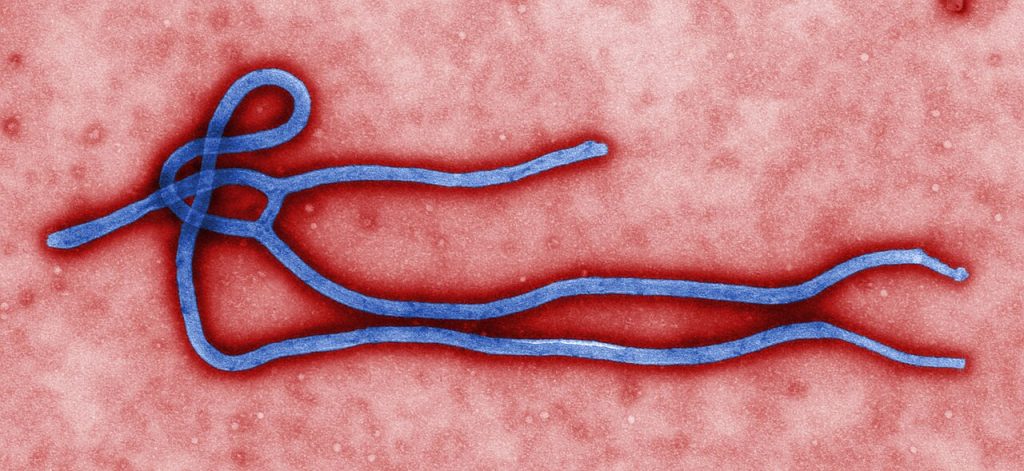
Nigeria investigates two suspected Ebola cases in the north-east as lab tests begin
Nigeria is investigating two suspected cases of Ebola in the country’s north-east, health authorities said on Saturday, 31 October. The Nigeria Centre for Disease Control and Prevention (NCDC) said both people had been isolated while contact tracing and laboratory testing were under way.
The agency was clear that the two cases are suspected, not confirmed. In its statement, posted on X on Saturday, it said: “Being classified as suspected cases does not mean they are confirmed Ebola cases; confirmation is subject to laboratory results.” Contact identification and listing were ongoing, it added.
Authorities did not say whether the two people were believed to be linked to Nigeria’s first Ebola case in more than a decade, which was confirmed on 20 October in the capital, Abuja. That patient, a woman who had travelled from Uganda, tested positive for the Bundibugyo strain of the virus. She and her husband were evacuated to Switzerland for further care.
The wider outbreak is centred in the Democratic Republic of Congo (DRC), where it was declared in May. More than 5,000 people have died there, and more than 10,300 confirmed cases have been reported across eight of the country’s 26 provinces, making it the largest outbreak in the DRC’s history. Cases of the Bundibugyo strain have also been reported in Kenya and Uganda.
Why it matters
If the two suspected cases are confirmed, it could mean the disease has spread within Nigeria, which would be a major public health concern. The first case was imported, but these two were found in the north-east, far from Abuja, and officials have not said how they may be connected to it.
There is also no approved treatment or vaccine for the Bundibugyo strain, although vaccine trials are under way. That makes early detection, isolation and contact tracing the main tools for stopping the virus from spreading further.
What happens next
Laboratory results are still pending, and the NCDC said it would provide further updates as verified information becomes available. Health officials are continuing to identify and list contacts of the two people while the tests are carried out.
Nigeria would need to complete 42 days without additional confirmed or probable cases before it could be declared free of the disease, according to the World Health Organization. The NCDC has advised people to keep up good hand hygiene, practise enhanced sanitation and follow guidance from public health authorities.
Sources
- https://duke.fm/2026/10/31/nigeria-reports-two-suspected-ebola-cases-in-northeast-region-2/ (Reuters, 31 October 2026)
- https://businessday.ng/news/article/ncdc-identifies-two-suspected-ebola-cases-in-north-east-nigeria/?amp (BusinessDay, 31 October 2026)
- https://www.byteseu.com/2488794/ (Al Jazeera via Bytes Europe, 31 October 2026)
This article is for general information and education only. It is not legal or financial advice.
