
ADB Approves $500 Million to Help Pakistan Prepare for the Next Disaster Before It Strikes
The Asian Development Bank (ADB) has approved $500 million in disaster financing for Pakistan, giving the country a financial safety net it can draw on the moment the next flood, earthquake or other disaster strikes.
The Manila-based bank announced the approval on Wednesday, 11 November 2026. The money comes as contingent disaster financing — in simple terms, funding that is agreed in advance and released quickly when a disaster happens, instead of being negotiated after the damage is already done.
For a country where floods, earthquakes and other disasters cost an estimated $2 billion in losses every single year, the timing matters. Pakistan is one of the countries hit hardest by climate change, even though it produces less than 1% of the world’s greenhouse gas emissions. And this week, as world leaders gather at the COP31 climate summit in Antalya, Turkiye, Pakistan is pressing richer countries for the climate finance it says vulnerable nations are owed.
What the ADB approved
The ADB approved contingent disaster financing (CDF) facilities totalling $500 million for Pakistan under its policy-based lending programme. The facilities will provide prompt budget support after eligible disaster events, helping the government pay for emergency response and recovery without waiting for fresh loans to be arranged.
The financing is part of the second subprogramme of the Climate and Disaster Resilience Enhancement Programme. That programme supports reforms to strengthen disaster preparedness and risk management, and to build resilience into Pakistan’s development planning and investment — so that new roads, schools, hospitals and homes are built with future disasters in mind.
The ADB said the programme also strengthens Pakistan’s disaster risk financing framework and improves the availability of money after disaster events. In other words, it is designed to fix two problems at once: making the country better prepared before a disaster, and making sure cash is available fast when one happens.
“When disaster strikes, it is often the most vulnerable communities that are hit hardest. Investing in preparedness can help protect lives and livelihoods, reduce economic losses, and safeguard the development gains Pakistan has worked hard to achieve,” said Emma Fan, the ADB’s Country Director for Pakistan.
“This programme will support the country in implementing critical reforms to ensure a more resilient future,” she added.
How contingent disaster financing works
Most disaster aid follows a familiar pattern: a disaster happens, the damage is counted, and then governments and lenders spend weeks or months negotiating help. By the time the money arrives, families have already lost homes, crops and income — and rebuilding costs far more than early action would have.
Contingent disaster financing flips that order. The money is approved in advance, with clear rules about when it can be released. When an eligible disaster is declared, the government can draw on the funds almost immediately to pay for rescue work, temporary shelter, food, medical care and the first stages of rebuilding.
The approach also comes with conditions. To qualify for this kind of financing, a country must be carrying out reforms that make it more resilient — improving early-warning systems, strengthening disaster management institutions, and planning public spending so that disaster risk is counted before projects are built, not after they are washed away.
That is what the second subprogramme of the Climate and Disaster Resilience Enhancement Programme is for. It backs reforms that improve disaster preparedness, strengthen risk management, and weave resilience measures into Pakistan’s development planning and investment decisions.
Why Pakistan needs it: the cost of disasters
The numbers behind the ADB’s decision are stark. Floods, earthquakes and other disasters cause Pakistan an estimated $2 billion in average losses every year, according to the bank.
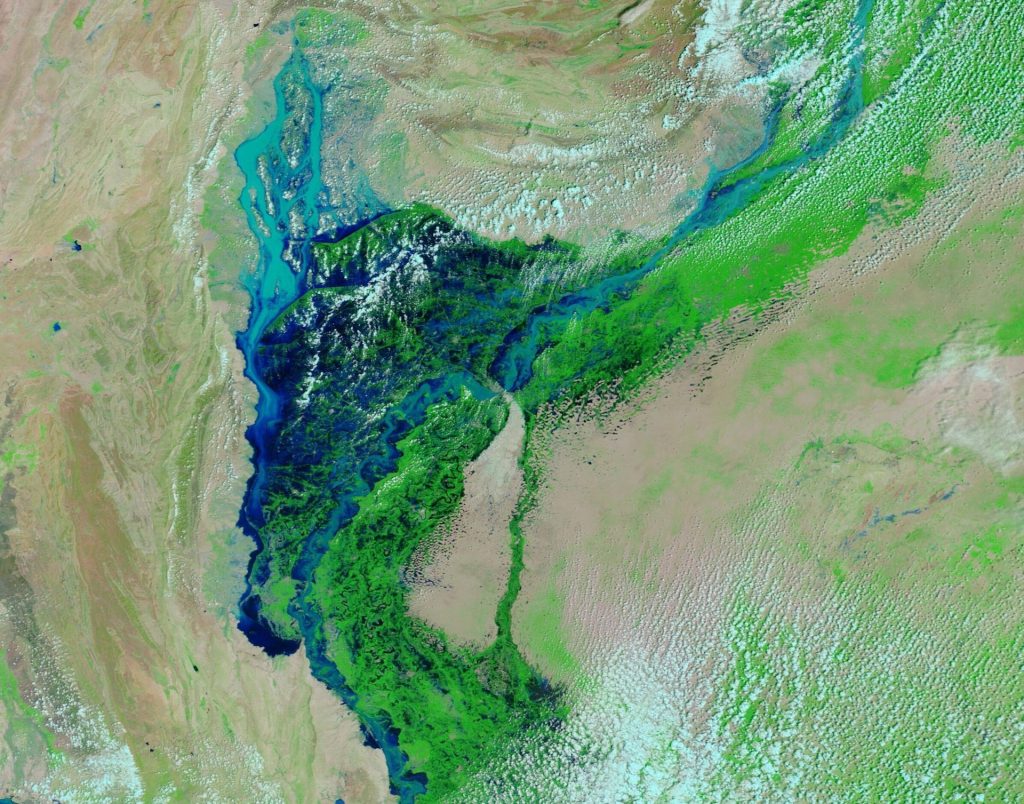
The 2022 floods remain the clearest warning of what is at stake. They caused $14.9 billion in direct damage and $15.2 billion in economic losses, the ADB said, and pushed as many as 9.1 million people into poverty. Vast areas of farmland were left under water, homes and roads were destroyed, and millions of people were displaced.
“Poor and rural communities have less capacity to recover, while women and girls are disproportionately affected,” the ADB noted in its statement.
The floods of 2025 brought the lesson home again. Entire districts were submerged, millions of people were displaced, and livelihoods were wiped out — exposing gaps in preparedness despite years of policy frameworks, international commitments and reform promises.
In May 2026, a report by the think tank Jinnah Institute found that persistent governance failures and weak community-level systems continued to undermine Pakistan’s ability to prepare for and respond to climate disasters. It called for urgent reforms to build long-term resilience in vulnerable districts, arguing that relying on reactive disaster management — waiting for the disaster and then responding — has proven insufficient as climate stress intensifies.
The ADB’s new financing is, in effect, a bet on the opposite approach: prepare first, and have the money ready before the next disaster arrives.
A familiar amount — but a different purpose
This is not the first time the ADB has approved $500 million for this purpose. In 2024, the bank approved a $500 million policy-based loan to support climate change and disaster risk reduction and resilience in Pakistan.
The new approval builds on that earlier support. Where the 2024 loan backed the broader reform agenda, the new contingent financing facilities are designed to sit ready in the background — money that can move fast when a disaster is declared, without a new round of negotiations.
For a government that has often had to appeal for emergency help after floods, that speed matters. After the 2022 floods, Pakistan needed an international pledging conference and months of talks before large-scale support was organised. Contingent financing is meant to cut that delay to days.
The bigger picture: climate finance at COP31
The approval comes in the same week that Prime Minister Shehbaz Sharif is attending the COP31 climate summit in Antalya, where he is pressing Pakistan’s case for climate finance for vulnerable countries.
Pakistan’s argument is built on a sharp imbalance. The country contributes less than 1% of global greenhouse gas emissions, yet it ranks among the nations most severely affected by climate change — from melting glaciers and floods to extreme heat. Around 13,500 glaciers have been identified in Pakistan, and the growing threat of glacial lake outburst floods puts thousands of people, their homes and their livelihoods at risk.
The risks are not only in the mountains. Last month, the ADB’s own Asia-Pacific Climate Report 2026 warned that Pakistan could see around 1.48 million people exposed to annual coastal flooding by 2100, as rising sea levels, coastal erosion and saltwater intrusion threaten communities, infrastructure and livelihoods along the coast.
The report identified Pakistan among the countries facing growing coastal risks, and warned that building in flood-prone areas, combined with intensifying climate hazards, could significantly increase future economic and social costs.
That is the backdrop to the climate finance debate at COP31. Developing countries argue that the money promised by richer nations to help them adapt to climate change has been too slow and too small. The European Union, for example, has reported €41.6 billion in climate finance for developing countries, but has said it will make no new pledges at COP31 — a position that has frustrated vulnerable nations. At the same summit, countries have backed a plan to put rooftop solar on 300 million homes by 2030, showing that large-scale climate action is still possible when governments agree.
Against that background, the ADB’s $500 million is significant for Pakistan — but it is a loan facility, not a grant, and it is small next to the scale of the losses. A single disaster on the scale of the 2022 floods caused more than $30 billion in combined damage and economic losses. The financing is best understood as one piece of a much larger puzzle: preparedness, reforms, insurance, and the international climate finance Pakistan is seeking at COP31.
What happens next
The ADB said the programme is in line with Pakistan’s own priorities for managing disaster risks, and with the bank’s commitment to supporting resilience initiatives across Asia and the Pacific.
The practical test will come in two stages. First, the reforms: whether disaster preparedness and risk management genuinely improve at the national and provincial level, and whether resilience becomes part of how development projects are planned — not an afterthought. Second, the response: when the next eligible disaster strikes, whether the money reaches the government and the affected communities quickly enough to make a real difference.
For the millions of Pakistanis who live in flood-prone districts, in the shadow of melting glaciers, or along a vulnerable coastline, the promise of this financing is simple: that the next time disaster strikes, help will already be arranged — not still being negotiated.
Frequently asked questions
What is contingent disaster financing?
It is funding that a lender approves in advance, with agreed rules for when it can be released. When an eligible disaster happens, the government can draw on the money quickly for emergency response and recovery, instead of negotiating a new loan after the disaster.
How much did the ADB approve for Pakistan?
The Asian Development Bank approved contingent disaster financing facilities totalling $500 million on 11 November 2026.
What will the money be used for?
It will provide prompt budget support after eligible disaster events, reducing the economic and fiscal impact of disasters. It also supports reforms to strengthen disaster preparedness, risk management and disaster risk financing in Pakistan.
How much do disasters cost Pakistan each year?
Floods, earthquakes and other disasters cause Pakistan an estimated $2 billion in average annual losses, according to the ADB. The 2022 floods alone caused $14.9 billion in direct damage and $15.2 billion in economic losses.
Has the ADB given Pakistan disaster funding before?
Yes. In 2024, the ADB approved a $500 million policy-based loan to support climate change and disaster risk reduction and resilience in Pakistan. The new approval builds on that earlier support.
Why is Pakistan so vulnerable to disasters?
Pakistan contributes less than 1% of global greenhouse gas emissions but is among the countries hit hardest by climate change. It faces floods, melting glaciers, extreme heat and coastal flooding, and the ADB has warned that around 1.48 million people could be exposed to annual coastal flooding by 2100.
Conclusion
The ADB’s $500 million disaster financing will not stop the next flood or earthquake in Pakistan. No amount of money can do that. What it can do — if the reforms behind it are carried through and the money moves fast when it is needed — is change how Pakistan responds: with funds ready in advance, institutions better prepared, and the poorest communities less exposed to ruin when disaster strikes.
For a country that loses an estimated $2 billion to disasters in an average year, and that is making its case for climate justice at COP31 this very week, that shift from reacting to preparing is the real story behind the announcement.
Sources
- Dawn: Asian Development Bank approves $500m loan to help Pakistan strengthen disaster preparedness
- Aaj English TV: ADB approves $500mn for Pakistan disaster resilience
- ARY News: ADB approves $500 mln financing to boost Pakistan’s climate & disaster resilience
- Business Recorder: ADB approves $500mn funding to strengthen Pakistan’s disaster resilience
This article is for general information and education only. It is not legal or financial advice.
