
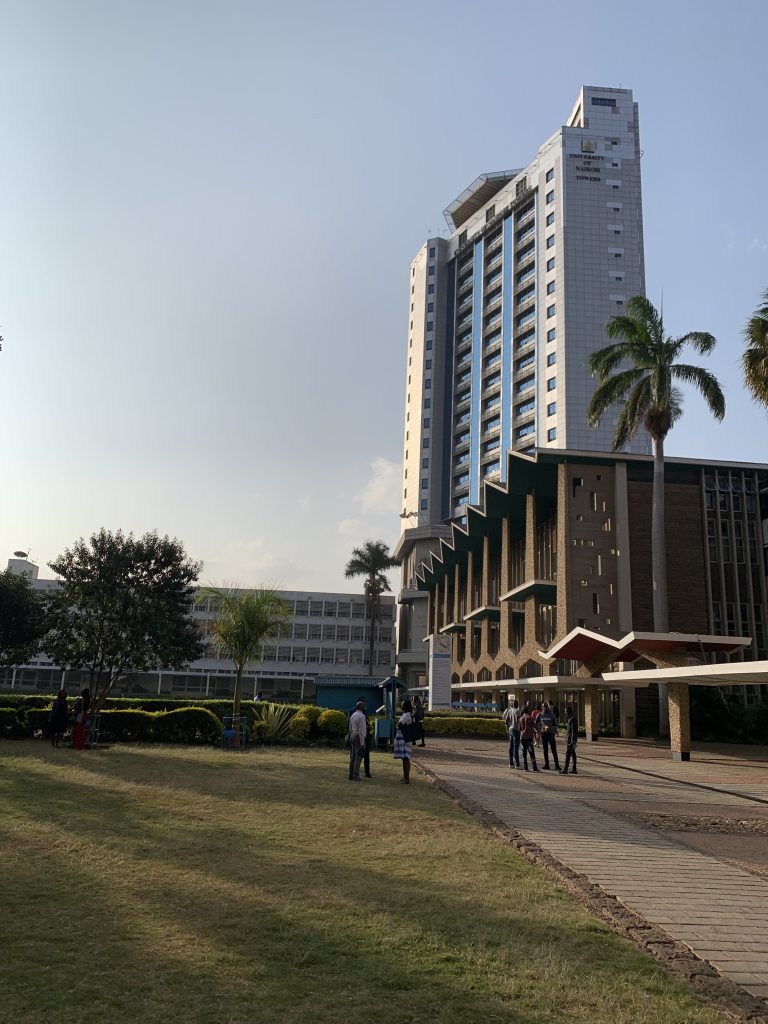
Kenya’s lecturers end four-week strike after KSh20 billion deal — classes resume on Monday
At a glance
- What happened: Kenya’s public university lecturers have ended a four-week nationwide strike after signing a return-to-work agreement with the government on Friday 30 October, backed by a KSh20 billion package to fund new pay deals.
- Why it matters: The strike, which began on 2 October, shut down teaching, learning and research in public universities across the country, leaving students at home for a month and threatening the academic year.
- What happens next: Lecturers return to work on Monday 2 November, and universities must now work out how to recover four weeks of lost learning — through intensive teaching, extended semesters, or both — without lowering standards.
Kenya’s public universities will reopen their lecture halls on Monday 2 November, after lecturers ended a four-week nationwide strike. The breakthrough came on Friday 30 October, when university staff unions signed a return-to-work agreement with the government, backed by a KSh20 billion package to fund new pay deals for the years 2025 to 2029.
For students who have spent a month at home, the news will come as a relief. For lecturers, it ends a dispute that had paralysed the country’s public universities since 2 October. And for university managers, the hard work is only just beginning: four weeks of missed lectures, practical sessions and examinations must now be recovered.
The agreement was signed by the Universities Academic Staff Union (UASU), the Kenya Universities Staff Union (KUSU) and the Kenya Union of Domestic, Hotels, Educational Institutions, Hospitals and Allied Workers (KUDHEIHA), together with the government. It was signed in the presence of Dr Beatrice Muganda Inyangala, the Principal Secretary for Higher Education, who welcomed it as a significant milestone in improving university staff welfare and restoring industrial harmony in public universities.
A month of empty lecture halls
The strike began on 2 October, after long-running disagreements over lecturers’ salaries and allowances and the implementation of new Collective Bargaining Agreements (CBAs) — the negotiated pay deals between university staff and their employers. University employers negotiate with UASU through the Inter-Public Universities Councils Consultative Forum (IPUCCF).
For about four weeks, teaching, learning and research in public universities were disrupted. Students were left in limbo, unsure when classes would resume, while the academic calendar slipped further behind with every passing week. In some places, frustration spilled onto the streets: students at the University of Nairobi barricaded a section of Waiyaki Way in protest over the lecturers’ strike.
The first sign of a breakthrough came on Wednesday 28 October, when UASU Secretary General Dr Constantine Wasonga told journalists at the union’s offices in Nairobi that a deal on the financial terms had been reached. “We have a deal on financials,” he declared, flanked by members of the union’s leadership. He said the strike would be officially called off on Friday 30 October at exactly 3 p.m., and assured students that lectures would resume on Monday 2 November.
Wasonga did not disclose the amount agreed at that briefing, saying it was a figure the union had negotiated with the government rather than one imposed on it. Technical teams from the union and the government met on Thursday 29 October to work out the exact amounts due to each member of staff. On Friday, the return-to-work formula was signed, and the figure was confirmed: KSh20 billion, worth about 154 million US dollars.
What the deal contains
The KSh20 billion package will fund the 2025–2029 Collective Bargaining Agreements. The money will be released in three instalments: KSh6.7 billion in the 2026/2027 financial year, KSh6.7 billion in 2027/2028, and KSh6.6 billion in 2028/2029.
Under the deal, academic staff will receive an annual increase of 3.5 percent in their basic salaries over four years, backdated to July 2025. There will also be a five percent annual increase in automatic salary increments. Staff will benefit from improved allowances as well, including the harmonisation of monthly commuter allowances to KSh18,000 — up from KSh3,500 for employees in the lowest cadre.
The agreement also protects staff who took part in the strike. It safeguards employees against victimisation for participating in the industrial action, and the union said all disciplinary action started against employees during the strike would be withdrawn. Contract employees will not have their contract renewals prejudiced because they took part.
The final figure sits far closer to the government’s opening offer than to the union’s first demand. Lecturers had sought about KSh98 billion, while the government first offered about KSh11.96 billion — a figure Wasonga had dismissed. The eventual KSh20 billion settlement, reached after negotiations under an inter-ministerial committee involving the Ministries of Education and Labour, was enough for the unions to call the strike off. Arrears stretching back to July 2025 will reach pay slips in stages, with one tranche landing in January 2027 salaries.
Speaking after the signing, Wasonga apologised to students for the disruption and urged them to prepare to return to university on Monday. “We want to apologise to students. Kindly bear with us. From Monday, the lecture halls will be full of lecturers. And we want you to learn and complete your degrees,” he said. “We have now achieved the objectives of our strike. The strike is over. Prepare to go to class.”
Dr Inyangala said university management would work with staff and students to develop revised academic schedules and recover lost learning time. “With the dispute now resolved, all university staff are expected to resume their duties immediately to facilitate the restoration of academic activities,” she said.
Recovering a lost month
Ending the strike is one thing. Recovering four weeks of lost learning is another. Kenyan universities are now preparing for an intensive academic recovery exercise, with institutions expected to reorganise their academic calendars to make up for nearly four weeks of disrupted learning.
The return to classrooms on Monday 2 November marks the beginning of a challenging period for university administrators, lecturers and students. The immediate task for university management is to establish how missed lectures, practical sessions, examinations and other academic activities will be recovered without compromising the quality of higher education.
Universities are expected to consider different approaches depending on their academic calendars, the number of weeks lost and the extent of disruption in individual faculties. One possible step is the introduction of intensive teaching programmes, commonly called crash programmes, in which lecturers cover outstanding course content through additional lessons. Other institutions may extend their semesters to provide enough time for completing the syllabus, conducting examinations and assessing students.
Professor Daniel Mugendi, chairperson of the Vice-Chancellors’ Committee of Public Universities, indicated that universities would assess their individual circumstances before deciding on the most appropriate recovery arrangements. The Ministry of Education has also placed responsibility on university management to develop practical strategies for recovering the lost academic time, and Principal Secretary Inyangala called on universities to review their academic calendars and make appropriate adjustments for the four weeks lost during the strike.
The exercise is expected to involve consultations among university councils, vice-chancellors, lecturers, students and other stakeholders — a reminder that a recovery plan imposed from above is unlikely to work without the people who must deliver it.
A familiar pattern — and a warning
Kenya’s public universities have been here before. Strikes over pay and the implementation of collective bargaining agreements have disrupted academic life repeatedly in recent years, and the education sector has faced criticism over prolonged acting vice-chancellor appointments and recurring industrial action. Each strike leaves the same questions behind: how to fund universities properly, how to keep pay talks from collapsing into walkouts, and how to protect students from losing weeks of their education when negotiations fail.
Some workplace grievances remain unresolved even after this deal, according to Kenyan media reports, including concerns around security, university funding, salaries and working conditions. The KSh20 billion package settles the 2025–2029 CBAs, but it does not by itself fix the funding pressures facing public universities.
For students, though, the immediate question is simpler: when do classes start again, and how will they catch up? The unions have given a clear answer to the first part — Monday 2 November. The second part will depend on each university’s recovery plan, and on whether lecturers and students can sustain the intensive pace that catching up will demand.
There is also a wider lesson. A month of lost teaching cannot simply be wished away. Crash programmes and extended semesters can cover the syllabus, but they ask a great deal of students who have already lost a month, and of lecturers returning from a dispute. If the recovery is rushed, the quality of learning suffers. If it is too slow, graduations slip and the next academic year starts late. Getting the balance right will be the real test of the weeks ahead.
What students should do now
Students at public universities should watch for messages from their own institutions in the coming days. Each university will publish its own revised timetable, including any changes to examination dates and semester end dates. Students should check their university portals and official notice boards rather than relying on social media forwards, and contact their departments if they are unsure about their class schedule.
Those in their final year will be watching most closely: delayed examinations and graduations can affect job applications, postgraduate admissions and professional registration. Universities will need to give final-year students clear dates as soon as possible.
For lecturers, the return to work on Monday is only the start. The agreement requires them to resume teaching, research and other academic duties — and then to deliver the extra lessons that the recovery plans will demand.
Frequently asked questions
Why did Kenyan university lecturers go on strike?
The strike began on 2 October 2026 after prolonged disagreements over lecturers’ salaries and allowances and the implementation of the new Collective Bargaining Agreements (CBAs) for 2025–2029. University staff unions said the pay deals had been stuck for close to a year.
How much is the deal worth?
The government committed KSh20 billion — about 154 million US dollars — to fund the 2025–2029 CBAs. The money will be paid in three instalments: KSh6.7 billion in 2026/2027, KSh6.7 billion in 2027/2028 and KSh6.6 billion in 2028/2029.
What pay rises will lecturers get?
Academic staff will receive a 3.5 percent annual increase in basic salaries over four years, backdated to July 2025, plus a five percent annual increase in automatic salary increments. Monthly commuter allowances will be harmonised to KSh18,000, up from KSh3,500 for employees in the lowest cadre. Arrears will be paid in stages, with one tranche arriving in January 2027 salaries.
When do classes resume?
Lecturers are due back at work on Monday 2 November 2026, and lectures resume the same day. The return-to-work formula was signed on Friday 30 October, and UASU directed its members to resume teaching, research and other academic duties on Monday.
Will staff who went on strike be punished?
No. The agreement safeguards employees against victimisation for taking part in the strike. The union said all disciplinary action started against employees during the industrial action would be withdrawn, and contract employees will not have their contract renewals prejudiced.
How will universities recover the lost four weeks?
Universities are expected to reorganise their academic calendars. Options include intensive teaching programmes — known as crash programmes — with additional lessons, and extending semesters to allow time to finish the syllabus and hold examinations. Each university will decide its own approach, in consultation with staff and students, and the Ministry of Education has asked universities to review their calendars to accommodate the four weeks lost.
Who was involved in the deal?
The unions involved were the Universities Academic Staff Union (UASU), the Kenya Universities Staff Union (KUSU) and KUDHEIHA. University employers negotiated through the Inter-Public Universities Councils Consultative Forum (IPUCCF), and the talks involved the Ministries of Education and Labour. Principal Secretary for Higher Education Dr Beatrice Muganda Inyangala was present at the signing.
Conclusion
A month after Kenya’s public university lecturers walked out, the strike is over and the lecture halls are set to fill again on Monday. The KSh20 billion deal gives lecturers the pay rises they struck for, protects them from punishment for taking part, and puts the 2025–2029 bargaining agreements on a funded footing. But the agreement is a beginning, not an end. Four weeks of teaching have been lost, and recovering them without cutting corners will test every university in the country. Students have waited a month to get back to class; they now deserve clear timetables, fair examinations and a recovery plan that values their learning as much as the deal valued their lecturers’ pay. If Kenya’s universities get that right, the strike will be remembered as a difficult month with a constructive ending. If they get it wrong, the cost will fall, as it so often does, on the students.
This article is for general information and education only. It is not legal or financial advice.
Sources
- The Eastleigh Voice, “University unions call off nationwide strike after Sh20 billion deal”, 31 October 2026: https://eastleighvoice.co.ke/education/418255/university-unions-call-off-nationwide-strike-after-sh20-billion-deal
- Education News Kenya, “Kenyan universities face tough task of recovering learning time after lecturers’ strike”, 1 November 2026: https://educationnews.co.ke/news/kenyan-universities-face-tough-task-of-recovering-learning-time-after-lecturers-strike
- Daily Mirror Kenya, “Lecturers End Strike as UASU Signs KSh20 Billion Salary Deal With Government”, 31 October 2026: https://dailymirror.co.ke/lecturers-end-strike-as-uasu-signs-ksh20-billion-salary-deal-with-government/
- Mwenendo, “UASU Ends Month-Long Lecturers’ Strike After Government Commits KSh 20B to Pay Deal”, 31 October 2026: https://mwenendo.news/uasu-ends-month-long-lecturers-strike-after-government-commits-ksh-20b-to-pay
- Hamasta Media, “UASU Strike to End Friday After Deal with Government”, 28 October 2026: https://hamastamedia.com/article?id=854
