
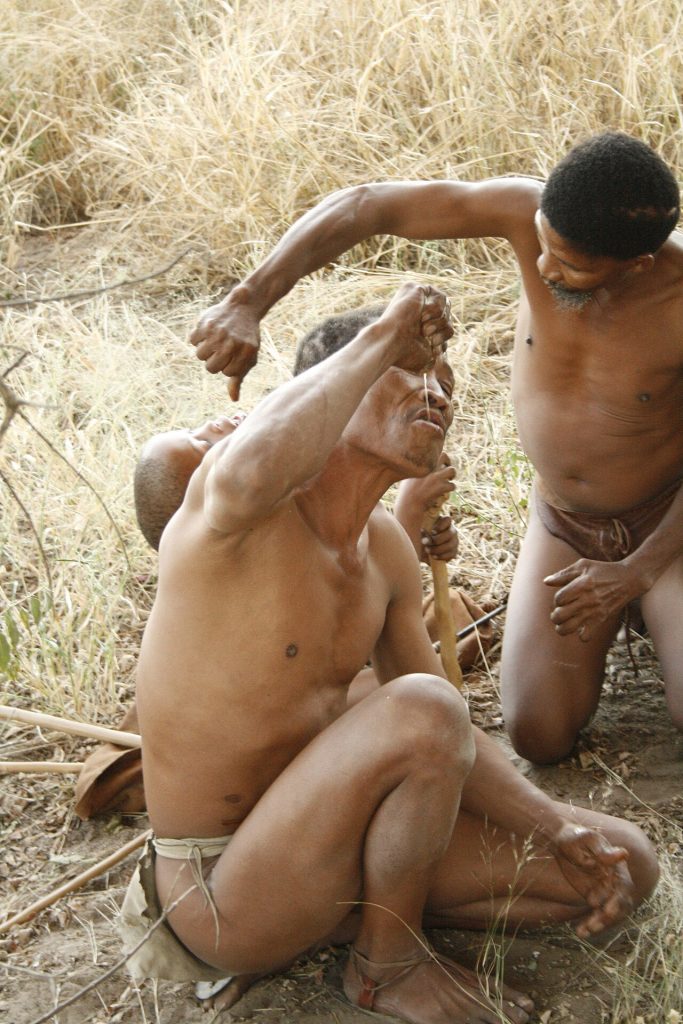
Botswana moves to give San communities legal rights to their Kalahari land
Botswana has approved a plan to give Indigenous San communities legally protected rights to their ancestral land in the Central Kalahari Game Reserve, a protected area of 52,000 square kilometres. The reserve will keep its protected status, while San communities will be able to return, live there and help manage it.
Justice Minister Nelson Ramaotwana said in an interview published on 30 October that the government aims to put those legal protections in place before the next national election in 2029. He said the government has accepted restitution in principle. The next step is to agree with communities how the land should be held and which laws need to change.
The dispute goes back decades. The reserve dates to 1961. From the 1990s, the government moved residents to settlements outside it. In December 2006, Botswana’s High Court ruled in favour of Roy Sesana and other San applicants, finding they had been unlawfully deprived of possession of their land. Wider land rights were left unsettled.
A change of government in November 2024 opened a new chapter. President Duma Boko, a former lawyer for the San communities, set up a committee in March 2025 to look at their grievances. He approved a four-phase restitution roadmap on 15 September 2026.
The plan came into fresh focus when the University of Botswana awarded Sesana, 97, an honorary Doctor of Letters on 23 October. Sesana co-founded the First People of the Kalahari in 1991. He dedicated the honour to the Basarwa, the San people of Botswana, but warned the struggle for ancestral land, self-determination and livelihoods is far from over.
Why it matters
Almost 20 years on, the wider rights of San communities in the reserve are still not secured in law. The 2006 ruling applied only to the people who brought the case, leaving out hundreds of others. This plan aims to close that gap, linking land rights with conservation.
What happens next
The roadmap sets out activities over six months, 18 months and three years, including talks, new laws and joint management. Still to be settled are whether land will be held by individuals or by communities together, how communities will share in tourism income, and whether protections will sit in the Constitution, in new laws or in the Tribal Land Act.
This article is for general information and education only. It is not legal or financial advice.
Sources
- https://www.envirolink.org/2026/10/30/botswana-moves-toward-land-rights-for-san-communities-after-decades-long-legal-fight/ (EnviroLink, 30 October 2026)
- https://qncnews.com/2026/11/01/botswana-honours-97-year-old-san-leader-as-land-rights-plan-advances/ (QNC News, 1 November 2026)
- https://dailynews.gov.bw/news-detail/93798 (DailyNews, Botswana government, 23 October 2026)
- https://thebrief.co.ke/climate-change/from-indigenous-exclusion-to-co-management-botswanas-lesson-for-kenya/ (The Brief, 28 September 2026)
- https://spherenexus.in/a-historic-land-restitution-process-offers-new-hope-for-botswanas-indigenous-san/ (Mongabay interview with Nelson Ramaotwana, reproduced by SphereNexus, 30 October 2026)
