
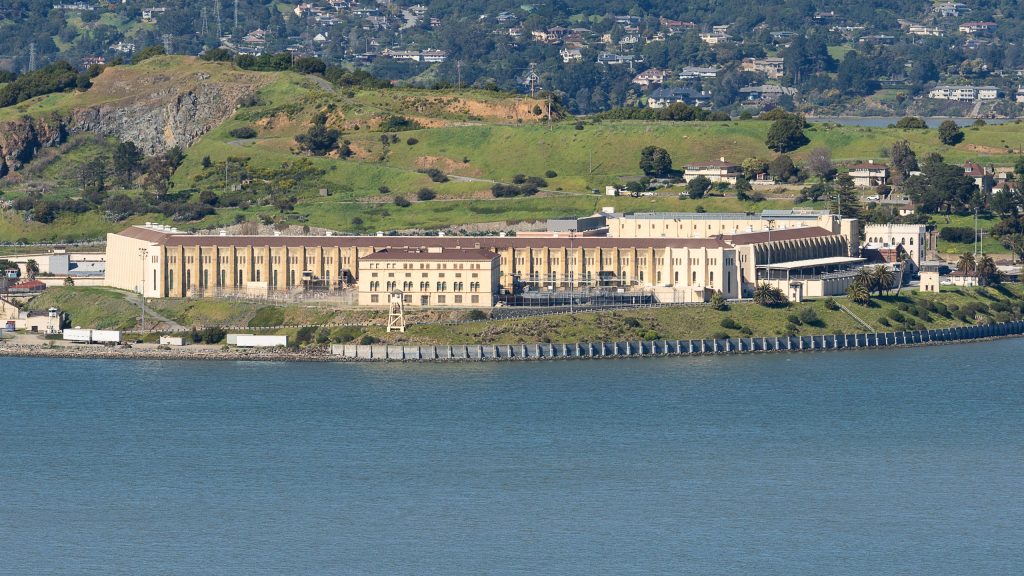
California Clears Its Death Row: Governor Newsom Commutes All 548 Death Sentences to Life in Prison
California has emptied the largest death row in the United States. Governor Gavin Newsom announced on Thursday, 5 November 2026, that he is commuting the death sentences of all 548 people on California’s death row, changing each sentence to life in prison without the possibility of parole. It is the biggest mass commutation of death sentences in American history — and it closes a chapter on capital punishment in the country’s most populous state while Newsom is still in office.
The California death row commutation was set out in an open letter from the governor to “All Californians”, in which he said he was using the clemency powers granted to him under the state constitution. None of the 548 people will now face execution, although for most of them the change still needs the approval of the California Supreme Court before it becomes final.
What happened
Newsom announced the decision on Thursday, 5 November, as he winds down his final months as governor. He is barred by term limits from seeking another term and will leave office on 4 January 2027, when fellow Democrat Xavier Becerra, the governor-elect, is projected to take over after the midterm elections.
According to figures provided by the governor’s office, the 548 people on California’s death row include 529 men and 19 women. Their sentences will be changed to life in prison without the possibility of parole, which means they will spend the rest of their lives in prison and can never be released on parole.
In his letter, Newsom wrote: “I take this action because I firmly believe that state-sanctioned killing is incompatible with California’s values, undermines the foundations of our legal system, and diminishes each of us.”
He added: “We can now let these offenders die in obscurity while we forever remember and honour the victims.”
Newsom also accepted personal responsibility for the decision. “As Governor, I alone bear responsibility for this decision and its impact, just as I alone would bear responsibility for each execution,” he wrote.
Why Newsom acted now
Newsom has long opposed the death penalty. In 2019, soon after taking office, he ordered a halt to executions in California, placing a moratorium on the punishment. But hundreds of people remained on death row, and their sentences stayed in place.
The governor has said in the past that it is wrong for the government to kill its citizens, and that capital punishment in practice has discriminated against mentally ill people and people of colour. His letter described the decision as among the most difficult choices of his career, because it will surface painful memories for the families of crime victims.
The timing matters. Newsom has only about two months left in office, and a future governor could have restarted executions. By commuting the sentences now, he makes sure that none of the 548 people currently on death row can be put to death by any future governor.
The decision also comes as Newsom, the Democratic leader of the most populous US state, has been discussed as a possible contender for president in 2028. The BBC reported that the move will be read in that light, although Newsom framed it in his letter as a matter of principle and conscience.
The court still has a say
The commutation is not final for everyone yet. Under the California constitution, the governor cannot grant clemency to a person convicted of a felony more than once without a recommendation from the California Supreme Court, with at least four of the court’s seven justices agreeing.
That rule covers most of the people on death row. According to figures from the governor’s office, the court would have to approve 382 of the 548 commutations — roughly 70 per cent. The other 166 people need no further step beyond Newsom’s order for their sentences to become life without parole.
Newsom has asked the court to issue its recommendation by the end of this year, so that he can act before his term ends. No timeline for the court’s review has been announced.
A largely symbolic move — but with real effects
In practical terms, the decision changes less than the headline suggests, because California has not carried out an execution since 2006. The state’s last execution took place on 17 January 2006, and only 13 people have been executed since voters reinstated the death penalty in 1978.
Even so, the move has real consequences. Experts say it could save millions of dollars in court costs each year, because death penalty cases involve years of expensive appeals. It also removes the legal uncertainty that has hung over the 548 cases, and it ends the possibility that a future governor could resume executions for people sentenced long ago.
California has historically held the largest death row population in the United States, and Newsom noted in his letter that it is the largest death row in the Western Hemisphere. The 548 people affected make up more than a quarter of everyone on death row in the United States.
A record in American history
The Death Penalty Information Center described the action as the largest mass commutation in US history. The previous record was set in 2003, when Illinois Governor George Ryan commuted the death sentences of 167 people.
The scale of Newsom’s move is more than three times that record. It also stands in sharp contrast to what is happening in other parts of the country. On the same day Newsom announced his decision, the US Supreme Court declined to stop Florida from carrying out its 19th execution of the year.
The announcement underlines how divided the United States has become on the death penalty. Some states are carrying out executions at a rapid pace, while California — once home to the country’s biggest death row — has now moved in the opposite direction.
Reactions: praise and anger
Supporters of the decision welcomed it warmly. The American Civil Liberties Union (ACLU), which has said the death penalty reflects racial bias, applauded the announcement.
“These commutations reflect what justice demands: an end to a racist, error-prone, and inhumane punishment that has burdened California for far too long,” said Anthony Romero, the ACLU’s executive director, in a statement.
The ACLU is also involved in an ongoing legal challenge to California’s death penalty law, arguing that it is racially discriminatory and unconstitutional.
Critics were quick to condemn the move. Riverside County District Attorney Mike Hestrin denounced the decision, saying Newsom had commuted the sentences without notifying the district attorneys whose offices had prosecuted the cases and secured the convictions.
For the families of victims, the decision reopens old wounds. Newsom himself acknowledged that it would surface painful memories, and his letter stressed that the victims should be remembered and honoured even as the offenders are left to die in prison.
What the death penalty still means in California
It is important to be clear about what Newsom’s decision does not do. It does not abolish the death penalty in California. The punishment remains on the books, and prosecutors can still seek it in new cases.
California voters have twice chosen to keep the death penalty — in 2012 and again in 2016, when they rejected a ballot measure that would have repealed it. Newsom’s commutation applies only to the people who are currently on death row. Anyone sentenced to death in the future would still face execution, unless a future governor or the courts act.
That is why the decision is described as largely symbolic. The death penalty law survives, but for the 548 people now on death row, the threat of execution is gone — once the court approves the cases that need its sign-off.
What happens next
The immediate question is what the California Supreme Court will do. Newsom has asked the court to give its recommendation on the 382 cases that need its approval by the end of the year, before he leaves office on 4 January.
If the court agrees, all 548 commutations will be complete, and California’s death row will effectively cease to exist — even though the death penalty itself remains the law. If the court moves more slowly, some cases could still be waiting when Newsom hands over to Xavier Becerra.
The wider debate will continue. Supporters of the death penalty argue that it delivers justice for victims and deters serious crime. Opponents argue that it is applied unfairly, costs far more than life imprisonment, and risks executing innocent people. California’s decision will not settle that debate, but it has made the state the clearest example yet of a place that has turned away from executions.
For the 548 people on death row, the change is simple and final: they will die in prison, but not by the hand of the state.
Frequently asked questions
What is a commutation?
A commutation is a governor’s power to reduce a sentence. In this case, Governor Newsom used his constitutional clemency authority to change death sentences into life in prison without the possibility of parole. The convictions themselves are not changed — only the punishment.
How many people were on California’s death row?
There were 548 people on death row, including 529 men and 19 women, according to figures provided by the governor’s office. It was the largest death row population in the United States.
Does this abolish the death penalty in California?
No. The death penalty remains the law in California. Voters chose to keep it in 2012 and 2016, and prosecutors can still seek death sentences in new cases. The commutation applies only to the people currently on death row.
Why do most of the commutations need court approval?
The California constitution says the governor cannot grant clemency to a person convicted of a felony more than once without a recommendation from the California Supreme Court, with at least four of the seven justices agreeing. That applies to 382 of the 548 cases. The other 166 take effect immediately.
When was the last execution in California?
California has not executed anyone since 17 January 2006. Only 13 people have been executed in the state since voters reinstated the death penalty in 1978. Governor Newsom placed a moratorium on executions in 2019.
What happens to the prisoners now?
Their sentences become life in prison without the possibility of parole. They will remain in prison for the rest of their lives and cannot be released on parole.
Sources
- BBC News, “California governor commutes sentences for state’s 548 death row inmates”, 5 November 2026: https://www.bbc.com/news/articles/cqrkyyd2j8mvo
- Associated Press (Sophie Austin), “Gov. Gavin Newsom commutes all 548 death sentences”, 5 November 2026: https://www.corrections1.com/capital-punishment/governor-commutes-all-548-death-sentences-in-calif-to-life-without-parole
- Death Penalty Information Center, via Workers Rights News, “California empties death row: Newsom swaps 548 death sentences for life without parole”, 5 November 2026: https://www.workersrights.news/newsom-commutes-548-california-death-sentences-life-without-parole/
- LawDork, “Newsom moves to clear out California’s 548-person death row in largest such clemency act”, 5 November 2026: https://www.lawdork.com/p/newsom-death-row-clemency
- MyNewsLA, “Governor’s Commutation of Death Sentences Statewide Prompts Denunciation”, 5 November 2026: https://mynewsla.com/government/2026/11/05/governors-commutation-of-death-sentences-statewide-prompts-denunciation/
This article is for general information and education only. It is not legal or financial advice.
