
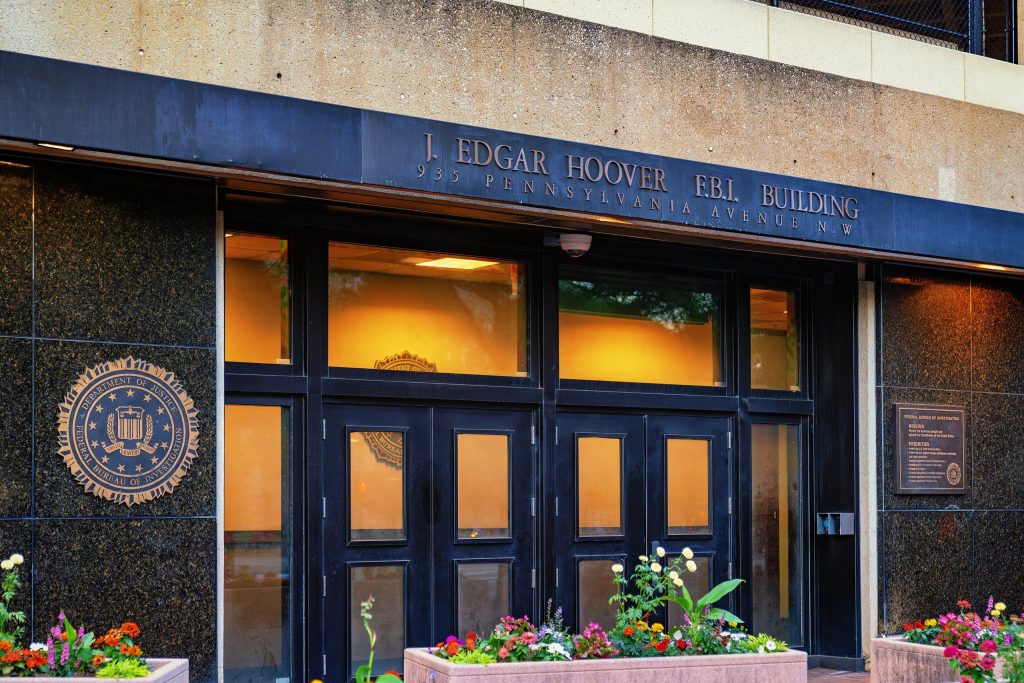
FBI’s National Crime Database Hacked for Second Time in Months, CNN Reports
The FBI is investigating an apparent hack of its nationwide crime database, CNN reported on Friday, 20 November 2026. The breach of the National Crime Information Center, known as the NCIC, is the second time in recent months that hackers have broken into a system run by America’s top law enforcement agency — and it comes in a week when banks, the air traffic system and even the US Department of Agriculture have all been hit by cyber incidents and outages.
The FBI has not publicly confirmed the breach. But two people briefed on the investigation told CNN that the bureau is looking into an apparent intrusion of the NCIC, the database that police officers across the United States rely on every day to check warrants, run background checks and share criminal records.
What makes this incident so worrying is not just who was targeted, but what was targeted. The NCIC is not a side system or an old website. It is one of the main tools that American law enforcement uses to do its daily work. If hackers can get into it, the question is not only what they may have seen — but whether the information inside it can still be trusted.
What happened
CNN first reported the suspected breach on Friday, 20 November, citing two people briefed on the investigation. Reuters also reported the story the same day. The FBI did not immediately respond to requests for comment from either news organisation.
The intrusion was discovered in recent days, according to CNN. The New York Post reported that FBI officials learned of it earlier in the week. The bureau is now investigating how the hackers got in and what, if anything, they took.
So far, very little has been confirmed in public. No hacker or hacking group has been publicly named. It is not yet known whether any sensitive law enforcement information was viewed, changed or stolen. And no official link has been drawn between this incident and earlier attacks on FBI systems.
That uncertainty is normal in the early days of a cyber investigation. When a breach is found, investigators first have to work out how the attackers got in, what systems they touched and whether they left anything behind. That work can take days or weeks, and agencies usually say little until they are sure of the facts.
But the lack of detail has not stopped the alarm. The NCIC breach is the latest in a string of cyber incidents that have hit American institutions over the past week, and it raises fresh questions about how well even the country’s most sensitive systems are protected.
What is the NCIC — and why it matters
The National Crime Information Center is the FBI’s central database for sharing criminal justice information. It links federal, state and local law enforcement agencies across the United States, letting them share information on warrants, criminal histories and background checks.
In simple terms, it is the system that lets a police officer in one state find out in seconds whether the person they have stopped is wanted somewhere else. When an officer runs a check on a name or a licence plate, the NCIC is often the system that answers.
A former FBI official who led investigations into cybercriminal groups told CNN that the NCIC is “one of the most critical information-sharing systems in law enforcement”. The official said officers across the country rely on it every day “to identify wanted fugitives, check for outstanding warrants, and access information that can directly impact officer and public safety”.
That is why the breach matters so much. The official’s main worry was not only whether hackers had seen sensitive information, but whether they could have damaged the accuracy of the information that officers rely on.
“My concern isn’t simply whether hackers gained access to sensitive information, although that is an issue, but whether they could compromise the accuracy of the information that officers rely on,” the former official told CNN.
Think about what that means in practice. If a warrant record were changed or deleted, a wanted person could walk free. If false information were added, an innocent person could be wrongly detained. Police officers make split-second decisions based on what the database tells them. If they cannot trust it, their job becomes harder — and more dangerous.
At the time of writing, there is no evidence that any records were changed. But until the FBI finishes its investigation, that question will hang over the system.
The September attack: ShinyHunters
This is not the first time the FBI has been hacked in recent months. In September 2026, a digital extortion group known as ShinyHunters attacked an FBI jobs website and stole sensitive personal data belonging to current and former FBI employees, according to Reuters.
The September attack targeted the bureau’s recruitment site rather than its crime database. But it was embarrassing for an agency whose job includes catching hackers. It also left some FBI employees feeling let down. CNN previously reported that after the breach, some employees felt they had been left in the dark about whether they were affected by the data theft, and were underwhelmed by the security help offered to victims.
A Canadian cybersecurity researcher and author has since been arrested and faces charges related to the ShinyHunters breach, CNN reported.
The group itself later said in a statement posted on the dark web that it had hacked the FBI in response to the bureau advising organisations and individuals not to pay a ransom if they were targeted by the group, according to the New York Post.
ShinyHunters is a known name in the world of cybercrime. The group has been linked to a series of high-profile data thefts, and it makes money by stealing sensitive information and demanding payment to keep it private. Its targeting of the FBI — not once, but as part of a pattern of attacks on the bureau — shows how bold such groups have become.
A pattern of trouble: the 2023 breach
The FBI’s systems have been breached before. In 2023, hackers broke into a computer system used by the FBI’s New York field office in child sexual exploitation investigations, CNN previously reported. The system was used to store images related to the Jeffrey Epstein investigation.
That incident, like the latest one, raised questions about how a law enforcement agency that investigates cybercrime could itself fall victim to hackers. The FBI has not said whether the three incidents — 2023, September 2026 and now — are connected. There is no public evidence that they are.
But the pattern is hard to ignore. Three breaches in three years, each hitting a different part of the bureau’s work: an investigations system, a recruitment website and now the national crime database. Each time, the FBI has had to investigate itself as a victim, not just as an investigator.
A difficult week for American cybersecurity
The NCIC breach did not happen in isolation. It came at the end of a week in which American technology and government systems suffered a series of high-profile failures and attacks.
A global outage affected hundreds of millions of Microsoft users, knocking out Outlook, Teams and Copilot for more than a day before services were restored. A nationwide halt to air travel disrupted more than 18,000 flights, in an incident linked to the Federal Aviation Administration’s air traffic control system. Banks and the National Security Agency were also affected by outages, according to CNN.
Separately, the US Department of Agriculture told employees that a system used to make payments to farmers had been targeted in a cyberattack, NBC News reported, citing two former USDA officials. The former officials said the hackers might use the payments system as a back door to reach more sensitive material.
Officials have said that the various outages were not linked to criminal activity, and there is no indication that they are connected to the suspected FBI breach. Outages and hacks are different things: an outage can be caused by a software bug or a failed update, while a hack is a deliberate break-in. But coming all at once, the incidents have added up to a difficult week for public confidence in American systems.
The Trump administration has been trying to calm those worries. Officials have sought to reassure the public about the country’s cybersecurity, even as the incidents have piled up.
The timing: Patel’s television appearance
The timing of the NCIC breach has added to the awkwardness for the FBI. On Thursday, 19 November, after bureau officials had already learned of the latest cybersecurity incident, FBI Director Kash Patel appeared on Fox News to talk up the FBI’s cybersecurity work.
Patel used the appearance to discuss an operation called Operation Winter Shield, which was completed months ago and was aimed at urging companies to update their systems so hackers could not reach their sensitive data. He spoke about the operation as if it were still under way, and praised the current administration for updating key systems to protect the country’s critical infrastructure.
“Other administrations could have made these updates, but they didn’t,” Patel said. “We are staying ahead of the curve and making up for lost time.”
The appearance was recorded before CNN’s report of the NCIC breach became public. But the contrast between the confident message on television and the investigation under way inside the bureau has not gone unnoticed.
What happens next
The FBI’s investigation is now the key question. Investigators will need to answer several things: how the hackers got into the NCIC, how long they were inside, what they saw or took, and whether any records were changed.
If sensitive law enforcement information was stolen, the bureau will face difficult decisions about who needs to be told. Warrants, criminal histories and background check records contain personal information about millions of people. A leak of that data could put officers, witnesses and ordinary citizens at risk.
The investigation may also lead to changes in how the NCIC is protected. After the September attack on the jobs website, the FBI faced questions about its own security. A second breach so soon afterwards will increase the pressure to show that lessons have been learned.
There is also the question of who is responsible. No group has claimed the NCIC attack, and no arrests have been announced. Attribution in cyberattacks is often slow, and sometimes it never comes. But if the attackers are identified, the case will be watched closely — not least because the target was the FBI itself.
For now, the most important fact is also the simplest: the database that American police officers trust with their safety, and the public’s safety, may have been compromised. Until the FBI says otherwise, that uncertainty is the story.
Frequently asked questions
What is the NCIC?
The National Crime Information Center is the FBI’s nationwide database for sharing criminal justice information. Federal, state and local law enforcement agencies use it to share information on warrants, criminal histories and background checks.
What happened to the NCIC?
CNN reported on Friday, 20 November 2026, citing two people briefed on the investigation, that the FBI is investigating an apparent breach of the NCIC by hackers. The intrusion was discovered in recent days. The FBI has not publicly confirmed the breach.
Was any data stolen?
It is not yet known whether sensitive law enforcement information was accessed or stolen. The extent of the intrusion is still unclear, and the FBI has not commented publicly.
Is this the first time the FBI has been hacked?
No. In September 2026, the hacking group ShinyHunters attacked an FBI jobs website and stole personal data belonging to current and former FBI employees. In 2023, hackers breached a system used by the FBI’s New York field office in child sexual exploitation investigations.
Who is behind the NCIC breach?
No hacker or group has been publicly named, and no official link has been drawn to earlier breaches of FBI systems.
Is the NCIC breach connected to the other outages this week?
There is no indication that it is connected to the outages that hit Microsoft, the FAA air traffic control system, banks or the National Security Agency. Officials have said those outages were not linked to criminal activity.
Why does the NCIC matter so much?
Police officers across the United States use the NCIC every day to identify wanted fugitives, check outstanding warrants and access information that affects officer and public safety. If the information in it were wrong, officers could make dangerous mistakes.
Conclusion
The reported hack of the FBI’s National Crime Information Center is a serious incident, and not only because of who was targeted. The NCIC sits at the heart of American law enforcement. Every day, officers in every state rely on it to make decisions that affect people’s freedom and safety.
That the FBI is investigating a second breach of its own systems in the space of a few months is a problem for the bureau’s reputation. That the breach was discovered in a week full of outages and cyberattacks across the United States only adds to the sense that American systems are under strain.
Much remains unknown. The FBI has not confirmed the breach, named the attackers or said what was taken. Those answers will come, if they come, from the investigation now under way. Until then, the questions are straightforward: how did hackers get into one of the most sensitive databases in American law enforcement, and what did they do once they were inside?
Sources
- CNN: “The FBI was hacked again, this time the breach targeted its crime database”
- Reuters: “FBI’s criminal information database hacked, CNN reports”
- Arab News: “FBI’s criminal information database hacked, CNN reports”
- New York Post: “Hackers reportedly breach FBI crime database — the 2nd time the bureau was targeted in months”
