
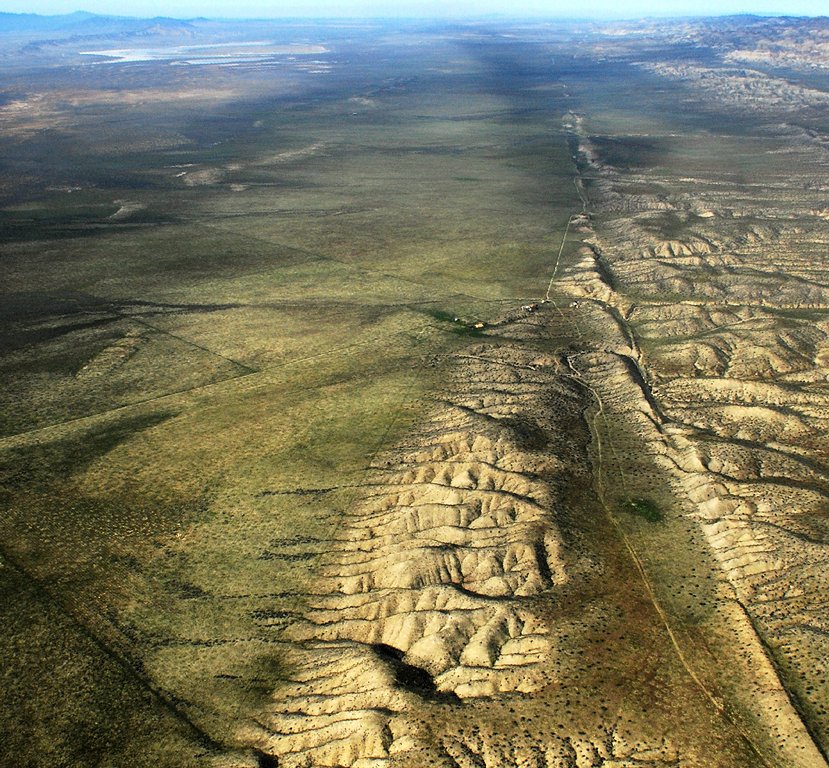
Forces near Japan may have helped shape California’s San Andreas Fault, study finds
The forces shaping California’s San Andreas Fault may come from far beyond California. Research in Science, published 29 October 2026, suggests activity near Japan and the Philippines, over 9,000 kilometres away, helped pull Baja California from mainland Mexico — and still affects the southern San Andreas Fault.
The study, led by the University of Texas at Austin with Czech, German and Italian researchers, examined double subduction, when two plates sink beneath neighbours at once. Around 12 million to 10 million years ago, a second subduction system formed in the western Pacific, so two sinking slabs began pulling on the Pacific plate together.
Using 3D computer models, the team compared one western Pacific subduction system against two. The double system added about 5 to 10 megapascals of stretching stress around the Gulf of California, locally more than 10. They believe it sped up the gulf’s opening by roughly 30 to 80 million years. Baja California broke from the mainland nearly 12 million years ago; the gulf opened in 6.5 to 13 million years, far faster than similar rifts.
The extra stress did not stop at Mexico. In the models it reached north into the Salton Trough and the southern San Andreas Fault, where the Pacific and North American plates slide past each other. Fault activity there rose after about 8 million years ago, as stretching in the gulf intensified between 8 million and 3 million years ago.
Why it matters
The finding puts the San Andreas Fault in a much bigger picture. Rather than being driven only by forces beneath California, the fault system seems to be part of a network stretching across the whole Pacific, with distant subduction zones loading it with stress over millions of years. It also explains why the Gulf of California opened so quickly.
The results come from computer models, not direct measurements of the fault, and the study does not predict individual earthquakes or change the chance of a future rupture.
What happens next
The team will use supercomputers and finer models to trace these forces regionally, including in earthquake-prone East Africa. For California, the work adds to the long-term understanding of the San Andreas system, rather than changing any short-term earthquake forecast.
This article is for general information and education only. It is not legal or financial advice.
Sources
- https://www.abovethenormnews.com/2026/10/31/san-andreas-fault-new-research/ (Above the Norm News, 31 October 2026)
- https://phys.org/news/2026-10-faraway-tectonic-gulf-california-rifting.html (Phys.org, 29 October 2026)
- https://www.jsg.utexas.edu/news/2026/10/faraway-tectonic-forces-may-have-accelerated-the-gulf-of-california-rifting/ (University of Texas at Austin, Jackson School of Geosciences, 29 October 2026)
