
Gulf states must rethink trillion-dollar defences after Iran war, IISS report says
Gulf states will have to rethink defences that cost them more than a trillion dollars, after the war with Iran exposed serious gaps in systems built on American weapons and US security guarantees. That is the conclusion of a new report from the International Institute for Strategic Studies (IISS), published on Friday, 30 October.
The report says that in the weeks before the ceasefire on 8 April, 12 regional states — most of them in the Gulf — faced 4,670 Iranian one-way attack drones and more than 1,400 ballistic missiles. Nearly half were aimed at the United Arab Emirates, and Dubai’s airport suspended flights in March. Most were shot down, and Gulf defences generally performed well, the IISS says — but one estimate puts damage to energy infrastructure as high as $58 billion.
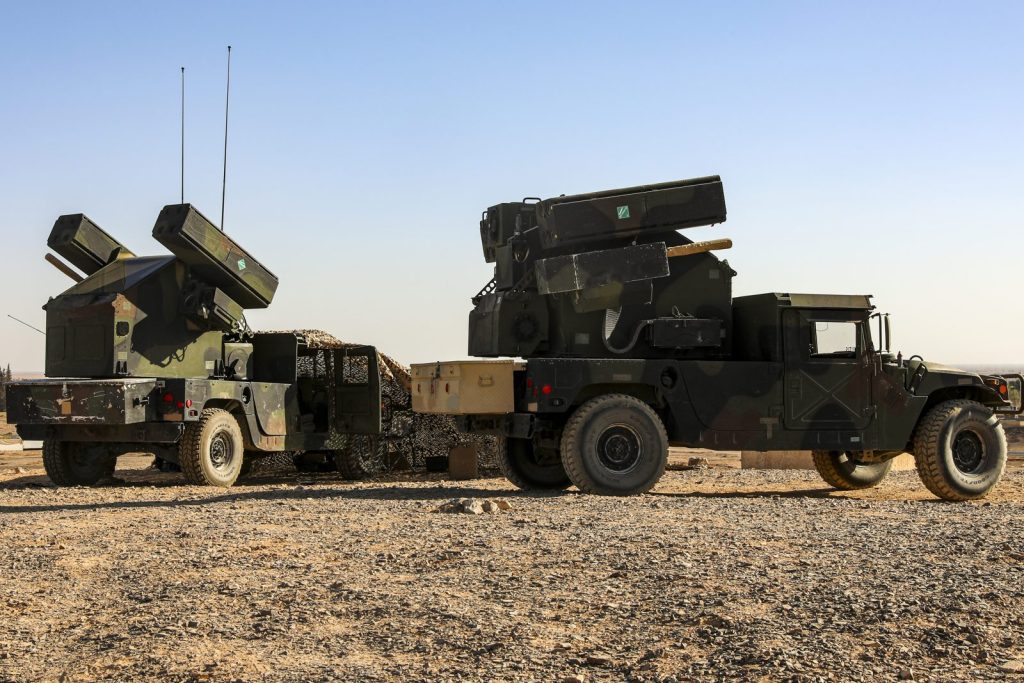
The problem, the report argues, is cost and staying power. Gulf forces used expensive interceptors to shoot down far cheaper drones and missiles, and they remain heavily dependent on US-supplied air- and missile-defence systems and ammunition. The IISS also lists weak regional defence integration, too few minesweeping ships and limited ability to strike back at long range. The war challenged a long-held Gulf assumption: that buying large amounts of US weapons and hosting American forces would be enough protection in a major conflict.
Why it matters
The Gulf sits at the centre of world energy supplies, and the report says the war showed that long-standing defence partnerships with Washington “failed to ensure adequate protection against Iranian aggression”. At the same time, the IISS says US systems remain indispensable, because they performed well and there is no credible alternative.
The debate is already live in Washington. Chris Murphy, a Democratic senator on the Senate Foreign Relations Committee, said a live debate was under way in the US military about whether it is worth rebuilding the damaged US bases in the Gulf.
What happens next
Gulf governments must now balance cheaper defences and greater self-reliance against keeping the American partnership they still cannot do without. The IISS is neutral on whether the Gulf states should seek a new non-aggression pact with Iran, but it warns that any major reduction or withdrawal of US forces would be portrayed by Tehran as a strategic victory.
This article is for general information and education only. It is not legal or financial advice.
Sources
- https://www.theguardian.com/world/2026/oct/30/gulf-states-rethink-trillion-dollar-defence-us-iran-war-iiss-report (The Guardian, 30 October 2026)
- https://live.eastoranews.com/2026/10/31/iiss-says-iran-war-exposed-major-gaps-in-gulf-states-trillion-dollar-000547 (Eastora News, 31 October 2026)
- https://www.memesita.com/iiss-report-gulf-states-must-rethink-defense-after-iran-war/ (Memesita, 30 October 2026)
