
Kohat Police Ambush: 11 Officers Killed in Attack During Anti-Illegal Gold Mining Operation
At least 11 police officers were killed and 12 more were wounded on Wednesday, 11 November 2026, when gunmen ambushed a police convoy in Kohat district, in Pakistan’s north-western Khyber Pakhtunkhwa province. The officers were on their way to raid an illegal gold mining operation when attackers opened fire on them from nearby hilltops.
The dead include a senior officer, Deputy Superintendent of Police (DSP) Haider Zaman, who was in charge of police in the Gumbat area, and Sub-Inspector Mukhtiar. It is one of the deadliest single attacks on police in the province this year, and it comes in a week that has already seen police officers guarding polio vaccination teams attacked and kidnapped in the same province.
Early reports put the death toll at 10, but the toll rose to 11 as Rescue 1122, the provincial emergency service, updated its figures during the evening. The number of injured was reported as 12.
What happened in Kohat
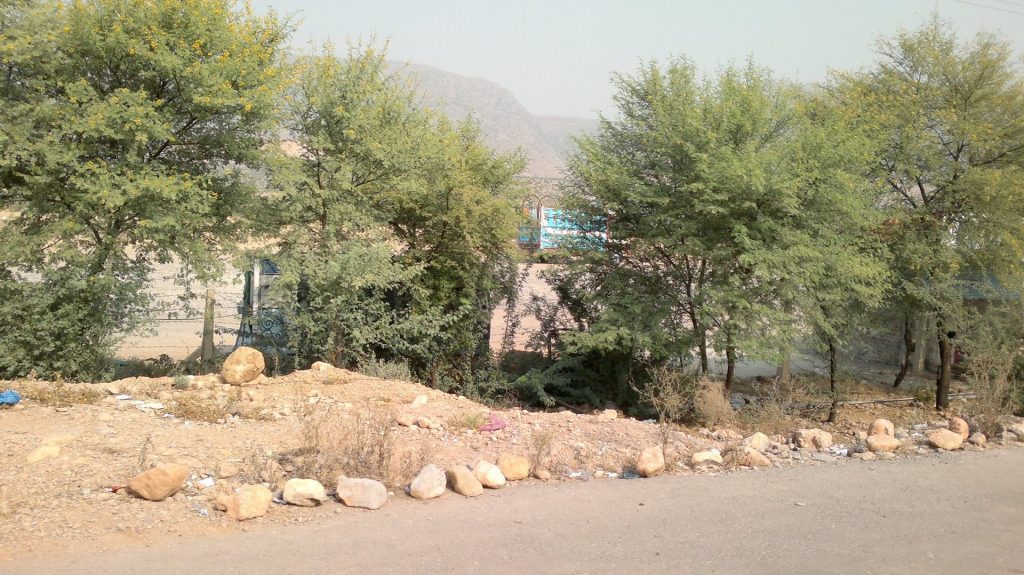
The attack took place in the Darbokach Jalandhar Banda area, between the districts of Kohat and Karak, in the Gumbat area of Kohat. The police team was travelling to Gumbat to take part in an operation against illegal gold mining when gunmen opened fire on the convoy.
According to the Express Tribune, the attackers fired on the police from hilltops, hitting the vehicles and causing heavy casualties. Kohat police spokesperson Muhammad Nauman Zeb confirmed that the team had been heading to Gumbat for the raid when it came under fire.
Kohat police said they had launched a major operation against illegal gold mining run by a network of Pakistani Taliban militants and criminal groups working together. The provincial administration said it did not know how long the militants had been mining gold illegally in the district.
An intense exchange of fire between security forces and the attackers was still going on hours after the ambush, according to local police official Faisal Khan, who first confirmed the casualties to the Associated Press. Rescue workers moved the dead and wounded to the District Headquarters Hospital in Kohat.
The officers who were killed
The dead included DSP Gumbat Haider Zaman and Sub-Inspector Mukhtiar, Kohat police spokesperson Muhammad Nauman Zeb said. The names of the other officers killed had not been released at the time of reporting.
A station house officer was among the wounded, according to initial reports, and several of the injured were said to be in serious condition. Five police vehicles were set on fire during the attack, police said.
Khyber Pakhtunkhwa Governor Faisal Karim Kundi, who currently heads the provincial administration, condemned the attack. “Those involved in the attack on the police team must be brought to justice,” he said. He described the attack as the work of a nexus between criminal groups and terrorists.
Who was behind the attack
In the first hours after the ambush, no group had claimed responsibility. Officials and reporters said suspicion was likely to fall on the Pakistani Taliban, known as Tehrik-e-Taliban Pakistan (TTP), which has stepped up attacks on security forces in the region in recent months.
Arab News later reported that the Pakistani Taliban had claimed responsibility for the assault in a statement.
The TTP is a separate organisation from the Afghan Taliban, though the two are closely allied. The Afghan Taliban returned to power in Afghanistan in 2021, and Islamabad has repeatedly accused the government in Kabul of allowing Pakistani militants to operate from Afghan soil — an allegation Kabul denies.
Pakistan has seen a sharp rise in militant violence in its north-west in recent years, and much of it is blamed on the TTP. The group ended a ceasefire with the Pakistani government in late 2022, and attacks on police, soldiers and government targets have climbed since then.
Illegal gold mining: crime funding militancy
One detail makes this attack different from a routine ambush. The police were not on patrol. They were on their way to raid an illegal gold mining operation.
Kohat police said the mining was being run by a network that brought together Pakistani Taliban militants and criminal elements. That link — between an illegal business and an armed group — is what the governor pointed to when he called it a nexus between criminals and terrorists.
Illegal mining is a way for armed groups to raise money. Gold mined without a licence can be sold quietly, and the cash can pay for weapons, fighters and safe houses. By targeting the mining operation, the police were threatening a source of income, not just a hideout.
The provincial administration did not say how long the illegal mining had been going on in the district, or how much gold had been taken. Those questions are now part of the investigation, along with the hunt for the attackers.
A province under emergency rule
Khyber Pakhtunkhwa was placed under emergency rule last month because of the sharp rise in militant attacks. The governor now heads the provincial administration, and security forces have been carrying out operations across the province.
The figures show why. According to data from the Central Police Office, reported by The News in August, 156 Khyber Pakhtunkhwa policemen had been killed in attacks in the first seven months of 2026 alone. That made 2026 already one of the worst years on record for the force — before today’s attack.
The same data shows how the toll has grown. In 2021, 63 policemen were killed in the province. The number rose to 93 in 2022, 197 in 2023 and 169 in 2024. In 2025, 235 policemen were killed — the highest number in any complete year. Since 2001, a total of 2,413 Khyber Pakhtunkhwa police personnel have lost their lives in the line of duty.
A separate police report covering the first six months of 2026 said the province faced 294 terrorist attacks in that period, in which 122 policemen were killed. In the same six months, police and the Counter Terrorism Department carried out 2,004 intelligence-based operations, arresting 504 suspected terrorists — including 14 senior commanders — and killing 182 in encounters.
There was a small sign of improvement in the national figures for October. According to the Pakistan Institute for Conflict and Security Studies (PICSS), terrorist attacks across Pakistan fell by 37 per cent in October compared with September, from 226 to 143, and deaths from those attacks fell by 57 per cent, from 260 to 111. In mainland Khyber Pakhtunkhwa, attacks fell from 58 in September to 40 in October, and deaths fell from 90 to 38. But today’s ambush is a reminder that a fall in the monthly count does not mean the danger has passed.
Kohat has been hit before
This is not the first major attack in Kohat this year. On 18 and 19 September 2026, armed fighters attacked the Old Police Lines complex in the city, starting with an attack on its mosque during Friday prayers. The battle and clearance operation lasted about 22 hours. Thirty-one people were killed, including eight attackers, and 103 were injured.
That attack was claimed by Ittihad-ul-Mujahideen Pakistan, an alliance of Pakistani Taliban offshoot groups. It was the deadliest attack on a police complex in Khyber Pakhtunkhwa since the bombing of the Peshawar Police Lines mosque in January 2023.
The September attack and today’s ambush happened less than two months apart, in the same district, and both targeted the police. Together they show that Kohat, a district on the edge of the province’s tribal belt, remains one of the most dangerous places in Pakistan for a police officer.
A violent week for polio teams
The Kohat ambush is the third attack on police in Khyber Pakhtunkhwa in three days — and the other two were aimed at officers protecting polio vaccination teams.
On Tuesday, 10 November, gunmen on a motorcycle opened fire on a police car in the province, killing two officers who were guarding polio workers. A day earlier, on Monday, four officers protecting polio teams were kidnapped.
The attacks came as health workers launched a targeted vaccination drive on Sunday, aiming to reach nearly 24 million children in 97 high-risk districts across the country. On the same day the drive began, health authorities registered Pakistan’s eighth polio case of the year — a 13-month-old girl from Khyber district.
Pakistan and neighbouring Afghanistan are the only two countries in the world where wild poliovirus is still endemic, meaning the virus continues to spread naturally. Attacks on vaccination teams and their police guards have been a long-running problem, and they make it harder to reach the children who need the vaccine most.
Why it matters
The Kohat ambush matters for three reasons.
First, the human cost. Eleven families have lost a father, a son or a brother. The dead include senior officers, which means the province has lost experienced leaders as well as rank-and-file policemen. For a force that has already lost 156 officers this year, each new attack deepens the strain.
Second, the target. The police were attacked while moving against illegal gold mining. If armed groups can fund themselves through illegal mining, they can keep fighting even when they lose fighters. Cutting off that money is part of the fight — and today’s attack shows the groups involved will kill to protect it.
Third, the timing. The attack comes weeks after the province was placed under emergency rule, and days after attacks on polio teams in the same province. It suggests that neither the emergency measures nor the recent fall in national attack figures have broken the momentum of the groups carrying out these attacks.
What happens next
Security forces were still exchanging fire with the attackers in the hours after the ambush, and a search operation was under way in the area. Officials have not said how many attackers were involved, or whether any were killed or captured.
The investigation will need to answer several questions: how the attackers knew the convoy’s route, how long the illegal gold mining had been running, and who was buying the gold. The answers will show whether this was a local criminal network, a militant operation, or — as the police say — both working together.
The funerals of the dead officers are expected in the coming days, and the provincial government will face fresh questions about how it plans to protect police who are being targeted again and again. For now, Kohat is mourning another group of policemen killed on duty, in a district that has already buried too many of them this year.
Frequently asked questions
How many police officers were killed in the Kohat ambush?
At least 11 police officers were killed and 12 were wounded, according to Rescue 1122. Early reports put the death toll at 10, but the figure was later raised to 11.
Where did the attack happen?
The ambush took place in the Darbokach Jalandhar Banda area, in the Gumbat area of Kohat district, Khyber Pakhtunkhwa, on the road between Kohat and Karak.
Why were the police in the area?
The police convoy was heading to Gumbat to raid an illegal gold mining operation. Police said the mining was run by a network of Pakistani Taliban militants and criminal groups.
Who was behind the attack?
No group claimed responsibility in the first hours after the attack, though suspicion fell on the Pakistani Taliban (TTP). Arab News later reported that the Pakistani Taliban had claimed responsibility.
How bad is the violence against police in Khyber Pakhtunkhwa?
Very bad. According to the Central Police Office, 156 policemen were killed in the province in the first seven months of 2026, after 235 were killed in 2025 — the highest annual toll on record. Since 2001, 2,413 Khyber Pakhtunkhwa police personnel have been killed on duty.
Sources
This article is for general information and education only. It is not legal or financial advice.
