
Mamdani Unveils Plan to Close New York’s Rikers Island Jail by 2032
New York City Mayor Zohran Mamdani has unveiled a plan to close Rikers Island, the city’s notorious jail complex, by 2032. The plan, released on Friday, 20 November 2026, is the city’s first detailed roadmap for shutting down a jail that has been criticised for violence, overcrowding and poor conditions for decades.
Under the plan, Rikers Island will close by the end of 2032 and be replaced by four smaller jails in four of New York’s five boroughs. The city will also cut its jail population sharply, spend $146 million next year on mental health care, education, job training and support for crime victims, and turn the island itself into a site for renewable energy and climate projects.
“It is time to finally close Rikers Island,” Mamdani said at the announcement at City Hall. “For decades, New Yorkers have demanded a correctional system that is safe and humane. This plan puts us on a path to deliver just that.”
The announcement matters because New York is already legally required to close Rikers. City lawmakers voted in 2019 to shut the jail by August 2027. With less than a year left before that deadline, the replacement jails are still under construction, and the city is all but certain to miss it. Mamdani’s plan moves the deadline back by five years — and, for the first time, sets out in detail how the city intends to get there.
What the Plan Says
The plan, called the “Close Rikers: Strategic Plan”, was released by the mayor’s office on 20 November.
Its main promises are:
- Close Rikers Island by the end of 2032. No one will be held on the island after 31 December 2032.
- Build four smaller jails in Brooklyn, the Bronx, Queens and Manhattan, closer to courts, public transport and the communities where people in jail live.
- Cut the jail population from about 6,700 people today to no more than 4,100 by the end of 2032.
- Spend $146 million next year on mental health care, drug treatment, education, job training and services for crime victims.
- Create hundreds of hospital beds for people in custody who have serious mental health problems or complex medical needs.
- Fix the court delays that keep people waiting for trial for months or even years.
- Plan a new future for the island, including renewable energy projects.
Mamdani said the city has “a legal and moral obligation to close Rikers” and promised to work with the City Council, the courts and charities to meet it.
Four Smaller Jails to Replace Rikers
Instead of one huge jail on an island in the East River, New York will build four borough-based jails. Each one will hold 1,040 beds, with individual cells, smaller housing units, outdoor space and dedicated areas for classes and training.
The opening dates are:
- Brooklyn — 2029. The first replacement jail opens here.
- The Bronx — 2031.
- Queens — 2031.
- Manhattan — 2032.
Each jail will also include at least 20,000 square feet of community space for local people, which could be used for youth programmes, services for older people and support for small businesses. The city says it will work with local elected officials and residents to decide how the space is used.
Women in custody will be held together at the Queens jail, close to Elmhurst Hospital, where women who need hospital-level medical care are taken. The plan says this follows input from women who have been in jail before and from the organisations that support them.
The new jails are meant to be easier to run safely. Smaller housing units give staff clearer lines of sight, and individual cells give people in custody more privacy. The city says the buildings will be a sharp contrast to Rikers, where broken pipes, rusting fixtures and unsafe conditions are common.
Fewer People Behind Bars
The plan cannot work unless far fewer people are in jail. The four new jails will hold 4,160 beds between them, plus hospital beds for people who need medical care. That is far less than the roughly 6,700 people held at Rikers today. So the city has set a target: no more than 4,100 people in jail by the end of 2032, including no more than 220 women. There is also an interim target of no more than 5,500 people by 2029, when the Brooklyn jail opens.
How will the city get the numbers down? The plan relies on several changes:
- More alternatives to jail. The city will spend $76 million next year on community services such as supportive housing, re-entry help for people leaving jail, and diversion programmes that keep people out of jail in the first place.
- Easier bail. The city will bring back its online bail payment portal, which has been unavailable since 2023. Families will be able to pay bail online instead of travelling to Rikers in person.
- Faster courts. A new task force, bringing together the courts, district attorneys and defence lawyers, will work on the delays that leave people waiting for trial. Mamdani said court delays can leave people “detained for years in what is essentially legal purgatory”. The city will also speed up how evidence is shared between the police, the fire department and the medical examiner’s office.
- Support to stop reoffending. The city will spend $50 million next year on vocational training, education, mental health counselling and drug treatment inside the jails, and on help for people after release.
Most people held at Rikers are not serving a sentence after a conviction. They are waiting for trial, and many are there simply because they cannot afford bail. Cutting the time people spend waiting, and giving more people a way out of jail before trial, is central to making the numbers add up.
Money for Mental Health, Jobs and Victims
The $146 million the city will spend next year is split across several areas. As well as the $50 million for programmes inside jails and the $76 million for community services, the plan includes $15 million more for crime victims, to expand access to mental health care and legal help through Family Justice Centers and the Crime Victim Assistance Program. A further $1 million will go to the Bronx District Attorney’s office for victim services.
The city will create 236 more therapeutic beds — hospital-style beds inside health facilities for people in custody — in Brooklyn and the Bronx. That will bring the total to 340 therapeutic beds across the city’s public hospitals. The city has already opened 104 such beds at Bellevue Hospital in Manhattan.
Why Rikers Has to Close
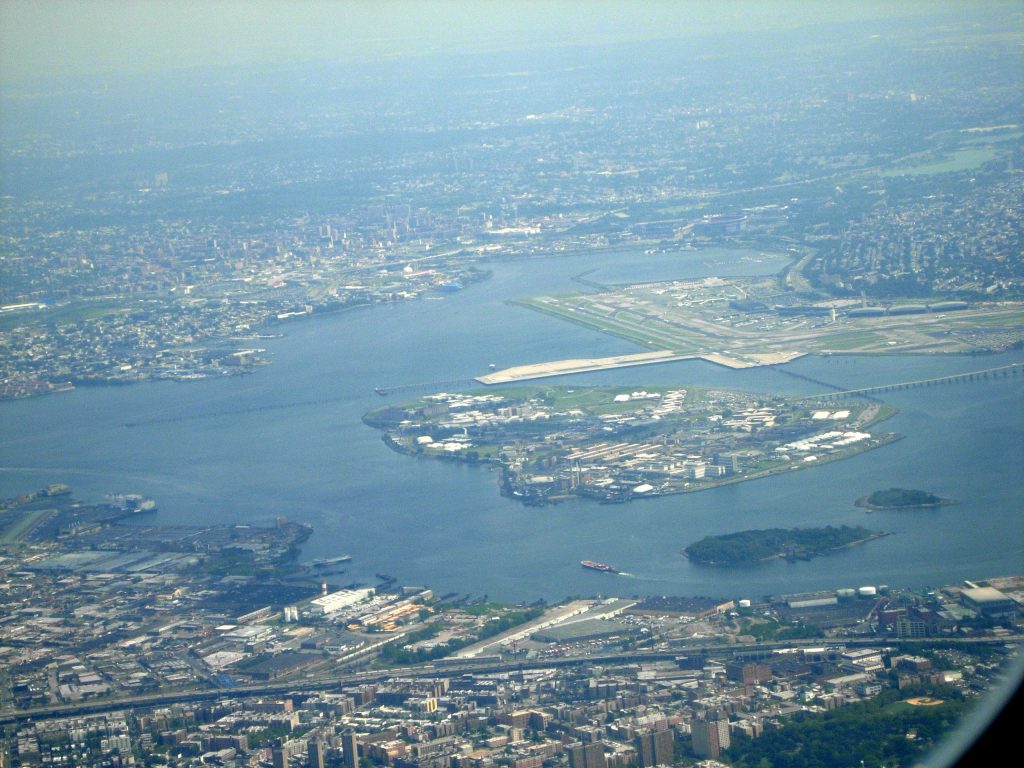
Rikers Island is a 413-acre island in the East River, next to LaGuardia Airport. The jail complex opened in 1932, and it is now nearly 100 years old. It is New York City’s largest jail, and one of the largest jail complexes in the world.
For decades, it has been known for violence, abuse and dirty, unsafe conditions. Campaigners have been pushing for its closure for more than ten years, and the effort to close it was first championed in 1979, according to the city.
One case became a symbol of what is wrong with Rikers. Kalief Browder, a teenager, spent three years at Rikers awaiting trial on a charge of stealing a backpack. The charges were eventually dropped, but he died by suicide in 2015, aged 22, two years after his release. His story helped turn public opinion against the jail.
In 2017, then-Mayor Bill de Blasio announced a plan to close Rikers. In 2019, the City Council voted to shut it by August 2027 and replace it with four smaller jails. But the work fell behind schedule. Construction of the new jails was slow, and Mamdani has blamed the previous administration, led by Mayor Eric Adams, for deprioritising the project. The Covid-19 pandemic also delayed the work.
The result is that the city is about to miss its own legal deadline by years. Mamdani’s plan is the first attempt to set a new, realistic date and to explain, step by step, how the city will meet it.
The mayor has already taken some early steps, including opening the therapeutic beds at Bellevue Hospital, reviving a stalled supportive housing project in the Bronx, and closing the North Infirmary Command on Rikers Island.
The plan was announced alongside Correction Commissioner Stanley Richards, the first formerly incarcerated person to lead the Department of Correction. “The era of a justice system that is ‘out of sight, out of mind’ is coming to a long-overdue end,” Richards said.
Mamdani’s justice agenda has already brought other changes in his first year in office. Earlier, he disbanded the New York Police Department’s Strategic Response Group and banned kettling and tear gas at protests — a move covered in our earlier report: Mamdani Disbands NYPD’s ‘Notorious’ Strategic Response Group and Bans Kettling and Tear Gas at Protests.
What Happens to the Island
Once the jail closes, the island will not simply be abandoned. The city plans to hand it to the Department of Citywide Administrative Services, which manages city property, and to plan a new use for the land.
Mamdani said he wants the island to be used for renewable energy and projects that help the city cope with climate change. “Our hope is that the new Rikers Island will be unrecognisable,” he said.
The city will bring back the Rikers Island Advisory Committee to advise on the island’s future, and will start a wider planning process with local people.
As each new borough jail opens, the city will close jails on Rikers one by one and hand the land over, rather than waiting until 2032 to shut everything at once.
The Hard Part: Getting It Done
Announcing a plan is the easy part. Making it happen will be harder, and Mamdani’s plan faces three big tests.
First, the law has to change. The 2019 law still says Rikers must close by August 2027. The City Council will have to pass new legislation to move the deadline to 2032. The council is expected to introduce that legislation alongside the plan, but it will need a vote — and some council members may want a faster timetable.
Second, the jails have to be built on time. The Brooklyn jail is due to open in 2029, but the project is already years behind where it was supposed to be. If construction slips again, the whole timetable slips with it.
Third, there will be opposition. The union representing correction officers has consistently pushed to keep Rikers open, arguing that the island is safer for staff than small jails in crowded neighbourhoods. People living near the sites of the new jails have also objected to having a jail in their area. Mamdani will need to win over both groups while also keeping the jail population falling.
The plan’s supporters say the numbers are achievable. The city’s jail population has already fallen sharply over the past decade, and the new investments in housing, mental health care and faster courts are designed to push it down further. Critics will be watching whether the population target of 4,100 is actually met — because if it is not, the new jails will not have enough beds, and Rikers will have to stay open longer.
What Happens Next
The City Council is expected to introduce legislation to update the closure deadline, bringing the law in line with the new 2032 date. Construction of the Brooklyn jail continues, with an opening planned for 2029. The city will also start spending the new money next year — on therapeutic beds, community services, education and victim support — and will set up a task force to tackle court delays and bring back the online bail payment system.
For New York, the stakes are high. If Mamdani’s plan works, the city will close one of the world’s most notorious jails and replace it with a smaller, more humane system. If it fails, the 2027 deadline will pass, the 2032 date will look like another broken promise, and Rikers will still be holding thousands of people who have not been convicted of any crime.
Frequently Asked Questions
What is Rikers Island?
Rikers Island is a 413-acre island in New York City’s East River, next to LaGuardia Airport. It holds the city’s largest jail complex, which opened in 1932. Most of the people held there are awaiting trial, not serving a sentence.
When will Rikers Island close?
Under Mayor Mamdani’s plan, announced on 20 November 2026, Rikers Island will close by the end of 2032. The previous legal deadline was August 2027, but the city will miss that date, so the City Council must pass a law to move the deadline.
What will replace Rikers Island?
Four smaller jails in Brooklyn, the Bronx, Queens and Manhattan, each with 1,040 beds. Brooklyn’s jail is due to open first, in 2029, followed by the Bronx and Queens in 2031 and Manhattan in 2032.
How many people are held at Rikers Island?
About 6,700 people are held there now. The plan aims to cut that to no more than 4,100 by the end of 2032, including no more than 220 women.
What will happen to Rikers Island after the jail closes?
The city plans to use the island for renewable energy and climate projects. The land will be handed to the Department of Citywide Administrative Services, and a committee will plan its future use with local people.
Why is Rikers Island notorious?
The jail has faced decades of criticism over violence, abuse and unsanitary conditions. It became a symbol of a broken system after the case of Kalief Browder, who spent three years there awaiting trial before the charges were dropped, and died by suicide in 2015 aged 22.
Conclusion
Mamdani’s plan to close Rikers Island by 2032 is the most detailed attempt yet to shut down New York’s most notorious jail. It sets a new deadline, names the four jails that will replace it, puts $146 million behind mental health care and community support, and promises to cut the number of people in jail by almost 40 percent.
The plan is honest about the scale of the challenge: the city has already missed its first deadline, and the new one is six years away. Whether it succeeds will depend on three things — the City Council changing the law, the new jails being built on time, and the jail population actually falling. For the thousands of people held at Rikers, most of them waiting for a trial that has not happened yet, the promise is simple: a jail system that is smaller, closer to home, and humane. New York has been promised that before. This time, there is a plan, a date and a budget — and the whole city will be watching.
Sources
- City of New York: “Mayor Mamdani Releases City’s First Comprehensive Plan to Close Rikers Island”
- Al Jazeera: “Zohran Mamdani unveils plan to close New York’s Rikers Island jail by 2032”
- Associated Press: “NYC Mayor Mamdani Unveils Plan to Close Rikers by 2032”
- CNN: “NYC ‘will close Rikers Island once and for all’: Mamdani aims to shutter controversial jail in 2032”
- USA Today: “Mamdani unveils plans to shut down notorious Rikers Island jail”
