
Pakistan Reach First-Ever SAFF Championship Final After Late Winner Stuns Bangladesh
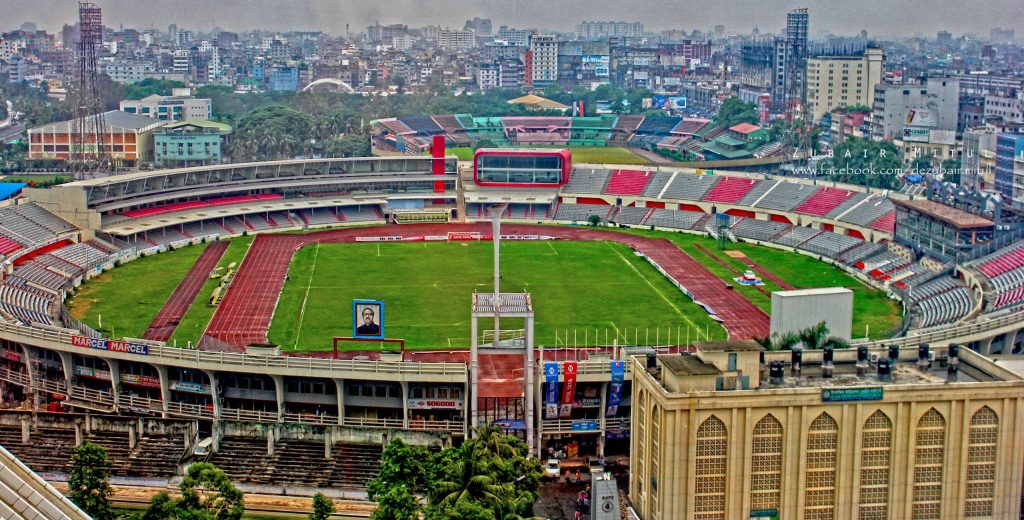
Pakistan are one win away from their first-ever regional football title. On Saturday night in Dhaka, the Shaheens beat hosts Bangladesh 1-0 in the semi-final of the SAFF Championship 2026, reaching the final of South Asia’s biggest football tournament for the first time in their history.
Abdul Samad Arshad scored the only goal of the game late in the second half, silencing a packed home crowd at the National Stadium and sending Pakistan into a title decider against arch-rivals India on Tuesday, 17 November.
It is a moment Pakistan football has waited more than three decades for. The SAFF Championship began in 1993, and Pakistan had reached the semi-finals four times before — but had never gone one step further. That long wait is now over.
The goal that made history
For most of the match, the goal did not look like it was coming. Bangladesh controlled the ball, pushed Pakistan back, and looked the more likely side to score. Then, with about five minutes of normal time left, one moment of brilliance changed everything.
Abdul Samad Arshad, a Denmark-based forward who had only joined the squad for the knockout rounds, collected the ball on the right side of the penalty area. He shifted it skilfully between his feet to make space, then unleashed a powerful left-footed shot that beat Bangladesh goalkeeper Mehedi Hasan Srabon.
The ball hit the back of the net, and the stadium fell silent — except for the small group of Pakistan supporters and the players in green shirts celebrating on the pitch.
According to the match report, the goal came in the 86th minute. Some reports put it a minute earlier, in the 85th, but the timing hardly matters. What matters is that Pakistan scored late, held on, and made history.
How the match unfolded
The semi-final was not a classic. The first half was short on clear chances, with both teams struggling to create anything in the final third of the pitch. Bangladesh had most of the ball but could not find a way through Pakistan’s organised defence. Pakistan, meanwhile, waited for their moments on the counter-attack.
Bangladesh came closest to scoring in the 23rd minute, when Rakib Hossain found space inside the box and fired a left-footed effort at goal. But Pakistan survived, and the game stayed goalless at half-time.
The second half followed a similar pattern at first. Bangladesh kept the ball; Pakistan stayed disciplined and compact. As the players tired, though, more gaps began to appear — and Pakistan started to look dangerous.
At one point in the second half, Pakistan even hit the post after some fine work from their striker inside the box, with the Bangladesh goalkeeper doing just enough to keep the ball out. It was a warning sign. Bangladesh did not heed it.
Then came Samad’s goal. After it went in, Bangladesh threw everything forward in search of an equaliser. Frustrated home supporters threw a flare onto the pitch, briefly interrupting play, but Pakistan held firm through the closing minutes and the added time that followed.
The numbers tell the story of the game. Bangladesh had about 62 per cent of the ball, but Pakistan had more shots on target. Pakistan did not need to dominate possession. They needed one chance — and they took it.
A long wait ends
To understand why this result means so much, you have to understand Pakistan’s history in this tournament.
The SAFF Championship is the main football competition for South Asian nations. It started in 1993. India have dominated it, winning nine titles. Bangladesh won it once, in 2003, on home soil. Pakistan, despite having one of the biggest populations in the region, had never even reached the final.
Pakistan had reached the semi-finals four times before this year. Four times, they fell at the same hurdle. Each time, the dream ended one game short of the final.
That is why Saturday’s win felt different. This was not just a semi-final victory. It was the end of 33 years of near-misses — and the start of something new for a team that has spent most of its history on the outside of South Asian football.
The road to the final
Pakistan’s journey to the final has not been smooth. They started the tournament with a 3-2 defeat to India in their opening group game, despite a spirited late fightback. It was the kind of result that could have ended their campaign before it had really begun.
Instead, they responded. In their next group match, Pakistan beat the Maldives 3-0 in a convincing display, finishing as runners-up in Group B and booking their place in the semi-finals.
Bangladesh, by contrast, arrived in the semi-final full of confidence. The hosts had topped Group A unbeaten, with victories over Bhutan and Sri Lanka, and they had the backing of a home crowd. On paper, they were favourites.
But knockout football is not played on paper. Pakistan defended with discipline, stayed patient, and waited for their chance. When it came, they took it.
The overseas boost
One important detail behind Pakistan’s run is the arrival of overseas-based players for the knockout rounds. Several foreign-based players, including Samad, joined the squad after the group stage, because the group matches fell outside the FIFA international window — the period when clubs are required to release players for national team duty.
That timing mattered. Samad, who plays his football in Denmark, was not available for the group games. He arrived in time for the semi-final — and scored the goal that took Pakistan to the final.
It is a reminder of how much Pakistan’s football has changed in recent years. The team now draws on players based in England, Denmark and elsewhere, alongside home-based talent. That mix of experience from different leagues has given the side a new edge.
The man in charge
Pakistan’s head coach is Nolberto Solano, the former Peru international who played for Newcastle United in England. Solano has built a side that is hard to beat: organised at the back, patient without the ball, and dangerous when it gets a chance to attack.
That game plan was on full display against Bangladesh. His team had far less of the ball but stayed in the match, trusted their shape, and waited. It is the kind of approach that does not always win praise, but it wins knockout matches.
Solano’s side will need the same discipline on Tuesday — and probably more. India are a different test altogether.
What awaits in the final: India
Tuesday’s final will be a Pakistan-India clash, the biggest fixture in South Asian football. The two sides already met in the group stage, when India beat Pakistan 3-2 in a five-goal thriller. Pakistan will want revenge. India will want to complete the double.
India reached the final by beating Bhutan 2-1 in the first semi-final on Saturday. Goals from P. V. Vishnu in the eighth minute and Chinglensana Singh in the 27th minute put the defending champions in control, before Kinzang Tashi Tobden pulled one back for Bhutan in the 48th minute.
That match also made history of its own: it was the first time the Video Assistant Referee (VAR) system had been used in the SAFF Championship.
India are the tournament’s most successful team by a wide margin. They have won nine titles and have now reached the final for the 14th time. On Tuesday, they will be chasing a record-extending 10th championship.
There is one interesting detail about the Indian side: they are playing this tournament with their under-23 reserve squad, coached by Naushad Moosa, because the senior national team are currently playing friendly matches in New Zealand. That does not make them any less dangerous — they still beat Pakistan in the group stage — but it does show the depth of talent India have at their disposal.
The final will be played at the National Stadium in Dhaka on Tuesday, 17 November, kicking off at 7:30pm Indian time. Pakistan have already beaten the hosts in that stadium. Now they must do it against their biggest rivals, with a first title on the line.
Why this matters for Pakistan football
Pakistan football has had a difficult history. The sport has often struggled for attention and funding at home, where cricket dominates. The national team has spent long periods inactive, and for years Pakistan were not a serious force in the region.
This year has been different. Reaching a first SAFF final is the biggest achievement in the team’s history, and it comes at a time when the side is building real momentum. A win on Tuesday would give Pakistan their first regional title — and would be remembered as one of the great moments in the country’s sporting history.
Even if Pakistan lose the final, this run has already changed something. It has shown that Pakistan can compete with the best teams in South Asia, that the mix of home-based and overseas players works, and that the team can win a big knockout match away from home, in front of a hostile crowd.
For young footballers in Pakistan watching at home, Saturday night was proof that the dream is real. The team is in the final. One more win, and they are champions of South Asia.
Frequently asked questions
When is the SAFF Championship 2026 final?
The final between Pakistan and India will be played on Tuesday, 17 November 2026, at the National Stadium in Dhaka. Kick-off is at 7:30pm Indian time.
Who scored Pakistan’s winning goal against Bangladesh?
Abdul Samad Arshad, a Denmark-based forward, scored in the closing minutes of the semi-final — in the 86th minute, according to the match report. It was a powerful left-footed shot from the right side of the penalty area.
Has Pakistan ever reached the SAFF Championship final before?
No. This is the first time Pakistan have reached the final since the tournament began in 1993. They had reached the semi-finals four times before without progressing.
How many times have India won the SAFF Championship?
India have won the title nine times, more than any other team. They are the defending champions and will be chasing a 10th title in Tuesday’s final.
How did Pakistan reach the semi-final?
Pakistan finished as runners-up in Group B. They lost their opening game 3-2 to India, then beat the Maldives 3-0 to secure second place and a semi-final spot.
Conclusion
Pakistan’s 1-0 win over Bangladesh was not pretty, but it did not need to be. Knockout football rewards the team that takes its chance, and on Saturday night in Dhaka, Pakistan took theirs.
Abdul Samad Arshad’s late goal ended 33 years of semi-final heartbreak and put Pakistan into their first SAFF Championship final. On Tuesday, they face India — the team that beat them in the group stage, the nine-time champions, and the biggest rivals they could possibly meet.
Whatever happens in the final, Pakistan football has already made history. But nobody in that dressing room will be thinking about history now. They will be thinking about one more game, one more win, and a first title.
Sources
- Dawn — “Abdul Samad’s late strike sends Pakistan into historic SAFF Championship final”
- Sportstar (The Hindu) — “Pakistan beats Bangladesh, will face India in SAFF Championship final”
- Sportstar (The Hindu) — “India beats Bhutan to enter SAFF Championship 2026 final”
- Prothom Alo — “Pakistan break Bangladesh hearts with 1-0 win to reach SAFF final”
- The Financial Express (Bangladesh) — “Pakistan bury Bangladesh’s SAFF hopes with late winner to reach final”
- Nukta — “Pakistan edge Bangladesh to reach SAFF Championship final”
This article is for general information and education only. It is not legal or financial advice.

Pingback: Netherlands End Pakistan's Winning Run in the ICC Women's Emerging Nations Trophy - Findivoza
Pingback: India vs Pakistan SAFF Championship Final 2026: Pakistan Chase First Title in Historic Dhaka Showdown - Findivoza
Pingback: India Beat Pakistan 2-1 in SAFF Championship 2026 Final to Win Record 10th Title - Findivoza