
Wind turbines have killed an estimated 18.7 million bats in the US since 1981, study finds
Wind turbines in the United States have killed an estimated 18.7 million bats between 1981 and 2024, in the most complete national study of the problem so far. Led by the US Geological Survey and published in the Proceedings of the National Academy of Sciences, it found the yearly toll has risen sharply as wind power has grown, passing 1.5 million bats a year from 2021 onwards.
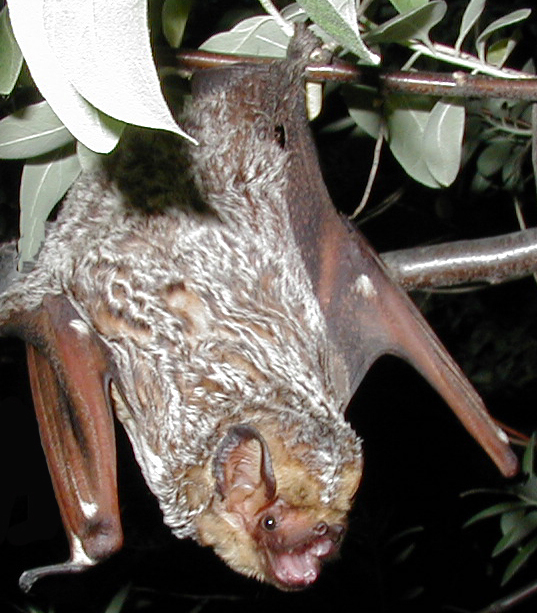
The team built the estimate from 499 monitoring reports from 277 wind facilities across the lower 48 states, covering surveys from 1996 to 2024. Many dead bats are never found, so the researchers used a statistical model to estimate deaths at sites and in years never surveyed. The 18.7 million figure is a modelled estimate, not a count of bodies found. Migratory, tree-roosting bats bore almost all of it: hoary bats lost 6.7 million, eastern red bats 5.8 million and silver-haired bats 3.4 million — about 15.9 million between them. Big brown bats were next, at 1.5 million.
The risk was highest at turbines near rivers, mine shafts and karst cave country, and in the Appalachian Mountains. The authors said the toll was roughly comparable to deaths from white-nose syndrome, the disease devastating cave-roosting bats — though turbines hit migratory species hardest.
Why it matters
Wind power is central to cutting carbon emissions, yet the study shows its wildlife cost has been far larger, and far more concentrated in a few species, than earlier counts suggested. “The bat fatalities are far more alarming than we thought,” said Ed Arnett, chief executive of The Wildlife Society. The losses are hard to contain because they fall on wide-ranging migrants: a hoary bat can cross whole regions in a season, so one turbine can affect a population breeding hundreds of miles away.
What happens next
The researchers built risk maps showing where bats are most likely to be killed. Policymakers and the industry could use them to site new turbines more safely and avoid the riskiest ground. The study also points to a fix already in use: curtailment, slowing turbine blades during low wind-speed periods, when bats fly most. It reduced collision deaths for some species, including hoary bats, and Arnett said the results support wider use across the industry. What is still missing is a clear picture of how much energy such pauses cost.
This article is for general information and education only. It is not legal or financial advice.
Sources
- https://phys.org/news/2026-10-scientists-reveal-staggering-deaths-turbines.html (Phys.org, 27 October 2026)
- https://wildlife.org/wind-turbines-have-killed-18m-bats-since-1981/ (The Wildlife Society, 30 October 2026, updated 31 October 2026)
- https://www.newscientist.com/article/2595845-wind-turbines-have-killed-19-million-bats-in-40-years-in-the-us/ (New Scientist, 26 October 2026)
