
A $50 DIY rival to Meta’s Muse Charm — built before the real one ships
Meta has not even started selling its Muse Charm yet, but one tech journalist has already built his own version — for $50.
In a column published on 31 October, The Verge’s Sean Hollister described buying a 1.75-inch touchscreen computer pendant, the Waveshare ESP32-S3 1.75C, and turning it into a working AI companion that talks to Meta’s Muse assistant. Meta itself supports the little device as a reference gadget for people building their own Muse hardware, using open-source code.
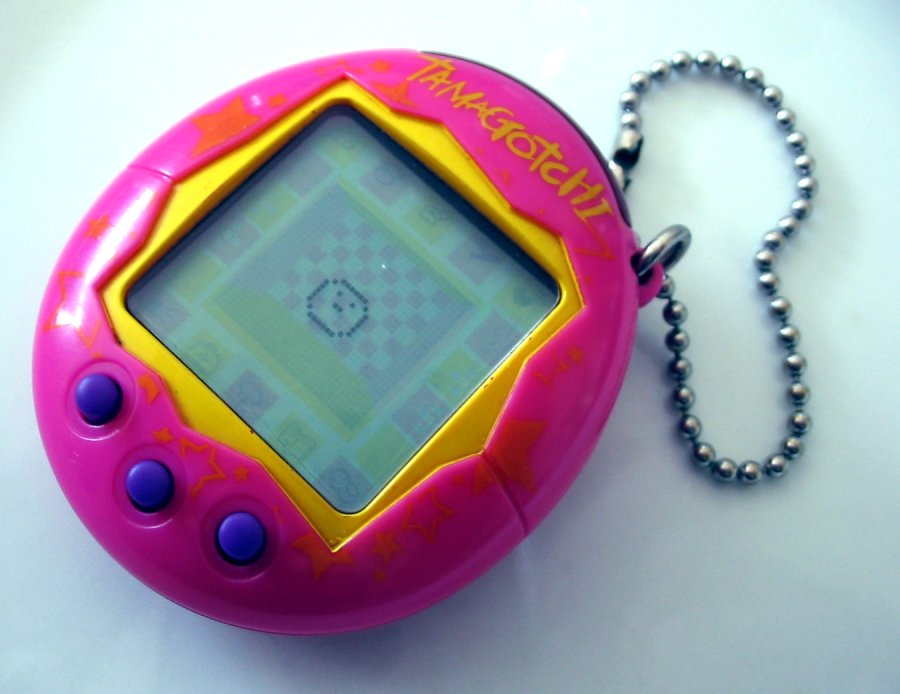
Out of the box, Hollister found the experience rough: slow replies, no spoken answers, and barely any text on the screen, so full conversations had to be read on a phone app. The smart-home control he expected did not work on its own either. So he used Claude Code, an AI coding assistant, to add what was missing: a conversation history page, a spoken voice, a pocket-watch face, a remote camera viewfinder, custom avatars — and a Tamagotchi-style minigame for the on-screen character.
His homemade version does not have the cameras or the 5G connection that Meta’s official Charm is expected to carry. But it does the core job: press a button, talk, and Muse answers.
Why it matters
The official Muse Charm was shown off by Mark Zuckerberg at Meta Connect on 23 September and is aimed at holiday shoppers, with no price announced yet. Hollister’s experiment shows the interesting part of Meta’s gadget may not be the hardware at all — it is the open platform underneath it. If a $50 off-the-shelf pendant can run Muse, the official device will have to offer something clearly better to justify its price when it arrives.
It also shows how quickly AI coding tools are changing who can build hardware. Features that once needed an engineering team were added here by describing what was wanted and letting the coding assistant write the code.
What happens next
Meta is expected to put the Muse Charm on sale in time for the holidays, with a price still to be announced. Until then, the DIY route remains the only way to carry Muse on a keychain — though Hollister himself added a note of caution, keeping his gadget on guest Wi-Fi after an earlier incident in which Muse leaked a reviewer’s home address.
This article is for general information and education only. It is not legal or financial advice.
Sources
- https://thetechstreetnow.com/i-built-an-ai-tamagotchi-before-meta-could/ (The Tech Street Now, republishing The Verge, 31 October 2026)
- https://rocketnews.com/2026/10/i-built-an-ai-tamagotchi-before-meta-could/ (RocketNews, 31 October 2026)
- https://news.ssbcrack.com/metas-muse-charm-a-cute-ai-companion-or-just-a-programmable-pendant/ (SSBCrack News, 31 October 2026)
- https://museexplained.com/guide/muse-charm/ (Muse Explained, last checked 10 October 2026)
