
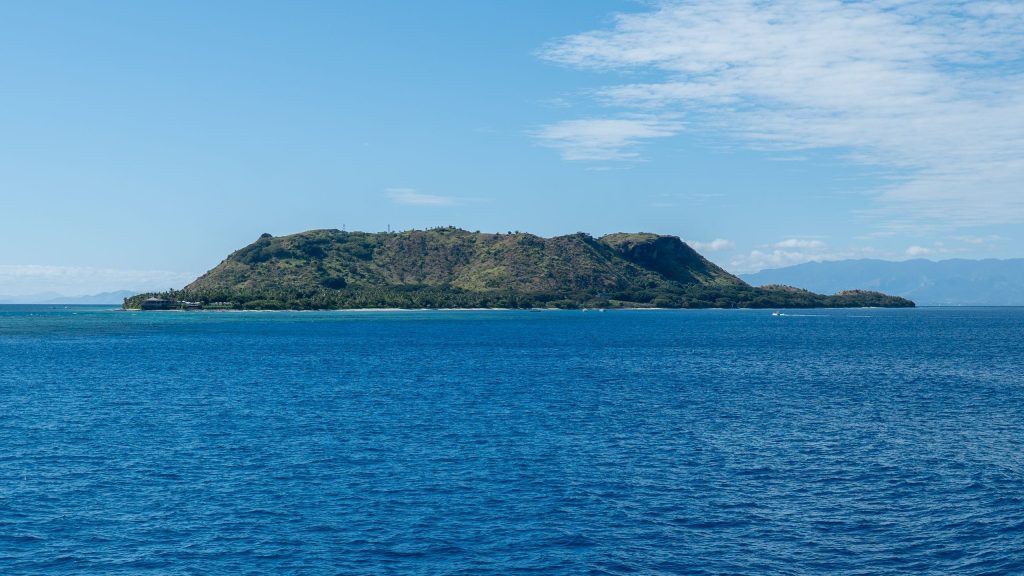
Fiji Declares a National State of Disaster as El Nino Drought Reaches Crisis Point
Fiji has declared a nationwide state of disaster after a drought driven by a powerful El Nino pushed the Pacific island nation into crisis. Families are worried about water, farmers are worried about their crops and livestock, and remote island communities are under growing pressure on their water supplies.
Prime Minister Sitiveni Rabuka announced the decision in a national address on Wednesday 18 November 2026, saying his Cabinet had approved the declaration that morning on the advice of the National Disaster Risk Management Council. Updated assessments had confirmed that the drought response had reached crisis thresholds.
“Families across Fiji are concerned about the availability of water and the effects of prolonged dry conditions on their daily lives,” Rabuka said. “Farmers are worried about their crops and livestock, while communities, particularly in remote and maritime areas, face growing pressure on their water supplies. These concerns are real.”
The government has set aside 20 million Fiji dollars — about $8.5 million — for the national response, redeployed from existing ministry funds. The money will pay for emergency water supplies for families and farmers, support for affected communities, livestock owners, and other urgent measures. More than two million litres of emergency water had already been delivered to affected maritime communities over the past month.
What the declaration does
The state of disaster covers the whole country. Under Fiji’s National Disaster Risk Management Act 2024, it lasts for up to 30 days at a time. Cabinet can extend it or revoke it on the advice of the National Disaster Risk Management Council. The declaration is being announced through public broadcasts and published in the Government Gazette.
In practical terms, the declaration gives the government stronger legal tools to move water, money and people where they are needed most. It lets officials scale up the response quickly and coordinate assistance across the country as conditions get worse.
“This declaration strengthens the arrangements through which Government mobilises resources, coordinates assistance and supports communities facing increasing hardship,” Rabuka said. “It builds on the response already underway and provides for its escalation as needs increase.”
The government has been working to a National El Nino Preparedness and Response Plan, which sets out stages from monitoring and early intervention through to crisis response and recovery. Rabuka said decisions would continue to be based on verified information and technical advice, and that he had been receiving regular briefings on conditions around the country.
“We will keep the public informed as conditions change and our response develops,” he said.
A sharp change of tone
The declaration marks a sharp change of tone from the prime minister. Earlier this month, when a Fiji Sun reporter asked him outside parliament in Suva whether he was concerned about the drought, Rabuka replied: “Are people dying? No. We can manage.”
Within weeks, the official assessments told a different story. The drought had reached the crisis thresholds set out in the national preparedness plan, and the government moved to a full national response.
The worst may be yet to come
Forecasters say the dry weather is far from over. The Fiji Meteorological Service expects below-normal rainfall for the rest of the year and into early 2027. Rainfall is likely to remain below normal from November through April, while daytime temperatures are expected to stay above normal through January across most of the country.
“El Nino conditions are likely to reach very strong intensity and persist through the remainder of 2026 and early 2027,” the Fiji MetService said in an update this week. It advised farmers to prepare for drier conditions and urged the public to conserve water.
The US Climate Prediction Center said last week that El Nino is strengthening, with a greater than 79 percent chance of a strong-to-very-strong event through January to March. Australia said in June that El Nino could intensify in the second half of 2026 to become one of the strongest in seven decades. The World Meteorological Organization expects this year’s event to become the strongest on record by next month.
What is El Nino?
El Nino is a natural climate pattern that returns every few years. It happens when surface temperatures in the central and eastern Pacific Ocean become unusually warm. That shift in ocean temperature changes weather patterns around the world — bringing drought to some regions and flooding to others.
This El Nino is playing out on a planet already warmed by climate change. Some scientists say global warming may be increasing the intensity of El Nino events, making their effects — droughts, heatwaves and floods — more severe.
The effects are already visible across the Pacific. Tonga, Fiji’s neighbour, declared a state of emergency over its own El Nino drought. In Fiji, the dry conditions have hit water supplies for households, farms and the outer islands hardest, because those communities depend on rainwater and small local sources. Drought is not only a Pacific problem: Pakistan has also issued a drought high alert for Sindh and Balochistan as crops fail and food insecurity grows.
Why this matters beyond Fiji
Fiji is a small country, but its drought is a warning about what this El Nino could do across the Pacific and beyond. When a whole country runs short of water, the effects spread quickly: crops fail, livestock die, food prices rise, and families in remote areas are left depending on emergency deliveries by boat.
The declaration also shows how fast a slow-moving disaster can escalate. A drought does not arrive in a single day like a cyclone. It builds week by week, as rainfall stays below normal and water tanks run dry. By the time a government declares a state of disaster, the crisis has already been growing for months.
For Fiji, the next few months will be the test. If the rain stays away until April, as forecasters expect, the government will need to keep water moving to the outer islands, support farmers through failed harvests, and possibly extend the state of disaster beyond its first 30 days.
The money set aside so far — FJ$20 million — is a start, not a solution. It comes from existing funds, moved from other programmes. If the drought drags on into 2027, Fiji may need more help, including from its regional partners and the international community. That help is already stretched: even tripling climate adaptation finance would cover less than 30% of what vulnerable nations need, the UN chief warned at COP31.
What happens next
The declaration is in force for up to 30 days. Cabinet will decide whether to extend it, based on the advice of the National Disaster Risk Management Council and fresh assessments of water supplies, rainfall and farm conditions.
In the meantime, the government’s message to the public is simple: save water. The Fiji Meteorological Service has urged everyone to conserve water, and farmers to prepare for drier months ahead.
For the families watching their water tanks run low, and the farmers watching their crops struggle in the dry heat, the declaration is at least an acknowledgement that the problem is real — and that the country is now treating it as the emergency it has become.
Frequently asked questions
What did Fiji declare?
Fiji declared a nationwide state of disaster on 18 November 2026, after a drought driven by a powerful El Nino reached crisis level. Prime Minister Sitiveni Rabuka announced the decision in a national address, after Cabinet approved it on the advice of the National Disaster Risk Management Council.
How long does the state of disaster last?
Under Fiji’s National Disaster Risk Management Act 2024, a state of disaster lasts for up to 30 days at a time. Cabinet can extend it or revoke it on the council’s advice.
How much money has the government set aside?
The government has redeployed 20 million Fiji dollars — about $8.5 million — from existing funds for emergency water supplies for families and farmers, and support for affected communities and livestock owners.
What is El Nino?
El Nino is a natural climate pattern in which surface temperatures in the central and eastern Pacific Ocean become unusually warm. It changes weather patterns worldwide, causing drought in some regions and flooding in others. This year’s event is expected to become the strongest on record.
How long will the drought last?
The Fiji Meteorological Service expects below-normal rainfall from November through April, and says El Nino conditions are likely to stay very strong through the rest of 2026 and into early 2027.
Is Fiji the only Pacific country affected?
No. Tonga has also declared a state of emergency over its own El Nino drought, and dry conditions are affecting other Pacific island nations.
Sources
- Reuters: “Fiji declares state of disaster amid El Nino-driven drought”
- 1News (New Zealand): “Fiji declares nationwide state of disaster as El Niño drought worsens”
- Fiji Sun: “Government declares national state of disaster”
