
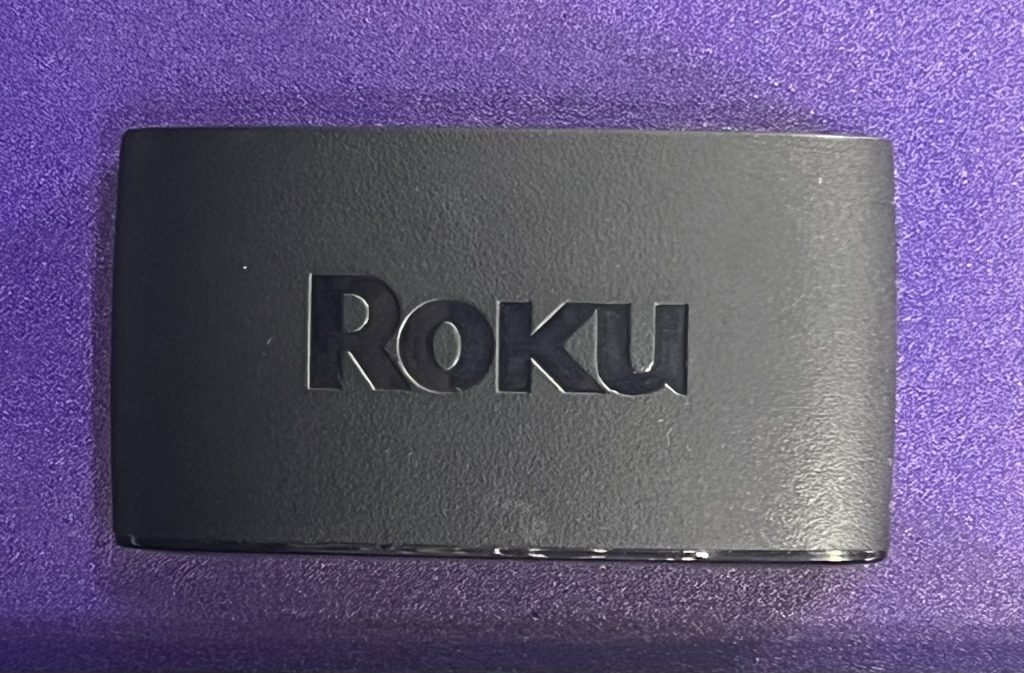
Fox Completes $22 Billion Roku Acquisition, Months Ahead of Schedule
Fox has completed its $22 billion purchase of Roku, one of the biggest media deals of recent years. The deal closed on Friday, 6 November 2026, months earlier than the two companies had planned, and it turns Fox from a traditional broadcaster into one of the largest streaming and connected TV companies in the United States.
When Fox and Roku first announced the deal in June 2026, they said it would probably close in the first half of 2027. Instead, it closed in about five months. Roku’s shares have now stopped trading on the Nasdaq stock exchange, and Roku is formally part of Fox.
For viewers, the change may not be obvious at first. Roku devices will keep working as before, and the Roku home screen will still show apps from many different companies. But behind the scenes, the deal changes who controls one of the main gateways to television in American homes — and that matters for what viewers see, what advertisers pay, and how the streaming business works.
What happened
Fox Corporation announced on Friday that it had completed its acquisition of Roku, the streaming platform founded in 2002. The deal was worth about $22 billion in cash and shares.
Under the terms of the deal, Roku shareholders received $95.30 in cash and 0.9799 shares of Fox Class A common stock for every Roku share they owned. When the deal closed, existing Fox shareholders owned about 74 percent of the combined company, and former Roku shareholders owned about 26 percent.
Roku founder Anthony Wood is joining the Fox board of directors. He will also serve as co-chair of a new division, Fox Digital Platforms, alongside Paul Cheesbrough. The new division brings together Roku, Tubi, FOX One and Red Seat Ventures — in other words, all of Fox’s main streaming and digital businesses under one roof.
“We started Roku more than two decades ago to give people a better way to watch TV, and that mission doesn’t change today. What does change is our reach and resources,” Wood said in a statement. “Our teams will keep building and innovating as they always have, now with the support and capabilities of Fox behind us.”
Fox says the combined company now ranks as the third-largest television business in the United States by viewership.
The deal in numbers
Here are the key figures behind the Fox-Roku deal:
- Deal value: About $22 billion, paid in cash and Fox shares.
- Price per Roku share: $95.30 in cash plus 0.9799 shares of Fox Class A stock.
- Ownership after the deal: About 74 percent for existing Fox shareholders and about 26 percent for former Roku shareholders.
- Roku’s reach: More than 100 million households in the United States.
- Expected cost savings: About $400 million a year within two years of the deal closing.
- Time to close: About five months, after the deal was announced in June 2026. The companies had originally expected it to close in the first half of 2027.
- Roku’s latest results: Platform revenue of $1.3 billion for the quarter, up 23 percent from a year earlier, with adjusted earnings of $248.8 million, up 113 percent.
The $400 million in expected savings comes from combining the two companies’ operations — for example, running one advertising sales team instead of two, and sharing technology and back-office costs. Fox also says the deal should add to its free cash flow per share by the second full year after closing.
Why Fox wanted Roku
To understand this deal, it helps to understand what Roku actually is. Roku does not make television shows. It makes the software and devices that people use to watch television. When someone turns on a Roku stick, a Roku TV or a television with Roku built in, they see Roku’s home screen. From there, they open apps such as Netflix, Disney+, YouTube or Tubi.
That home screen is valuable. The company that controls it decides which apps are easy to find, which shows get promoted, and which advertisements appear. It also collects data about what people watch, which helps advertisers target their ads more precisely.
Fox already owned television channels, a news business, sports rights and two streaming services: Tubi, which is free and funded by advertising, and FOX One, its newer streaming service. What Fox did not own was the platform itself — the gateway through which viewers reach those services.
Buying Roku gives Fox that gateway. Roku reaches more than 100 million households, which makes it one of the largest connected TV platforms in the United States.
Why Roku agreed to the deal
Roku had a strong business, but it also faced growing pressure. Its latest earnings showed platform revenue of $1.3 billion for the quarter, up 23 percent, and adjusted earnings of $248.8 million, up 113 percent. Those are healthy numbers, but Roku operates in a market where the biggest technology companies — Amazon, Google and Samsung — also run television platforms and can spend far more on hardware and software.
Joining Fox gives Roku access to Fox’s content, its sports and news programming, and its advertising sales operation. It also gives Roku a large, stable owner at a time when the streaming business is consolidating.
The regulators said yes — but with conditions
Big deals like this one are checked by competition regulators, who want to make sure a merger does not harm consumers or rivals. In the United States, that job falls to the Department of Justice.
About two months before the deal closed, the Justice Department issued a “second request” for information — a formal step that asks both companies to hand over more documents so regulators can look more closely at the deal. Earlier in November, reports suggested the deal was nearing approval.
On the same day the deal closed, 6 November, the Justice Department said it had closed its investigation. But its approval came with commitments from Fox. The company promised to carry content from rival media companies on Roku for at least three years, and to preserve existing protections for sensitive data belonging to rival companies for at least three years.
These promises matter because Roku is now owned by a company that also makes television content. Without them, Fox could in theory favour its own shows on the Roku home screen, make rival apps harder to find, or use data from rival services to help its own business. The commitments are designed to stop that from happening, at least for the next three years.
The Justice Department has said it will keep watching competition in the industry and may act if circumstances change.
What changes for viewers
In the short term, very little will change for people who use Roku. The devices will keep working, the home screen will look the same, and the apps will still be there.
Over time, viewers may notice a few things:
- More Fox content promoted on Roku. Fox now has a direct route to more than 100 million households, so expect to see more promotion for Fox shows, Fox Sports and FOX One on Roku screens.
- Tubi may become more prominent. Tubi is Fox’s free, advertising-funded streaming service. Because Fox now controls the platform, it can give Tubi a more visible place on the Roku home screen.
- Better recommendations and search. Fox says the deal will help it improve advertising targeting. The same data and technology can also improve recommendations, so viewers may find it easier to discover shows they like.
One thing viewers should watch is whether rival apps remain as easy to find. Fox has promised to carry rival content for at least three years, but after that period the promise ends, and the company will be free to change its approach.
What changes for advertisers
The deal is at least as important for advertisers as it is for viewers.
Television advertising is moving away from traditional broadcast and cable and towards “connected TV” — adverts shown on smart TVs and streaming devices. Advertisers like connected TV because they can target specific groups of viewers, in the same way they target people on social media, instead of showing the same advert to everyone watching a channel.
Roku is one of the biggest players in connected TV advertising. It sells advertising space on its own home screen and inside its free channels, and it takes a share of advertising revenue from many of the apps on its platform. Fox brings its own large advertising business, built around live sports and news, which advertisers value because live audiences are hard to reach anywhere else.
Together, the two companies can offer advertisers a larger audience, more data about viewers, and a wider range of places to show adverts — from a live football match to a free film on Tubi. That is one of the main reasons Fox expects to save about $400 million a year: a combined advertising operation can be run more cheaply than two separate ones.
The bigger picture: streaming is consolidating
The Fox-Roku deal is part of a wider trend. The streaming business has grown quickly, but it has also become expensive to run. Companies must pay for content, technology, marketing and customer support, and many of them have found it hard to make a profit.
As a result, media companies are joining together. Larger companies can spread their costs over a bigger audience, negotiate better deals, and invest more in technology. Smaller companies, even successful ones like Roku, can find it hard to compete alone against the largest technology firms.
For Fox, the deal is also a statement about the future of television. The company was once mainly known for broadcast television, cable news and sports. It now owns a major streaming platform, a free streaming service in Tubi, and a subscription service in FOX One. It is, in effect, betting that the future of television is a combination of live programming and streaming — and that owning the platform is as important as owning the programmes.
The money behind the deal
Fox reported its own results just before the deal closed. For its fiscal first quarter, which ended on 30 September 2026, Fox reported diluted earnings per share of $2.20 on revenue of $4.571 billion, according to its filing with the US Securities and Exchange Commission.
Roku’s most recent earnings were also strong. Platform revenue reached $1.3 billion for the quarter, up 23 percent from the same period a year earlier, while adjusted earnings rose 113 percent to $248.8 million. Those figures show that Roku was not a struggling company being rescued by a bigger one. It was a growing business that Fox was willing to pay about $22 billion to own.
What happens next
Several things are worth watching in the weeks and months ahead.
The first is how Fox runs Roku. The company has promised to keep Roku an open platform, and it has made formal commitments to regulators to carry rival content for at least three years. Whether it keeps that promise in practice will be watched closely by rival media companies and by regulators.
The second is the new Fox Digital Platforms division. Bringing Roku, Tubi, FOX One and Red Seat Ventures together under one management team is a big task. The success of the deal will depend on whether the combined division can work as one business, rather than four separate ones.
The third is the $400 million in expected savings. Fox says it will reach that figure within two years. Investors will be watching to see whether the savings actually appear, and whether the deal adds to Fox’s cash flow as promised.
The fourth is what happens to Roku’s brand and products. Fox says Roku will keep its name, and the Roku home screen will continue to show apps from many companies. Any change to that approach would be a signal that Fox is using its new platform to favour its own content.
The fifth is competition. Amazon, Google and Samsung all run their own television platforms, and they will not stand still. The deal may push them to make their own acquisitions or to invest more in their platforms, which could lead to more consolidation in the industry.
Frequently Asked Questions
What is the Fox-Roku deal?
Fox Corporation has bought Roku, the streaming platform, for about $22 billion in cash and shares. The deal closed on Friday, 6 November 2026.
How much did Roku shareholders receive?
Roku shareholders received $95.30 in cash and 0.9799 shares of Fox Class A common stock for every Roku share they owned. After the deal, former Roku shareholders own about 26 percent of the combined company.
What happens to Roku devices?
Nothing changes for now. Roku devices and televisions will keep working as before, and the Roku home screen will still show apps from many different companies.
Who runs Roku now?
Roku is now part of Fox. Its founder, Anthony Wood, has joined the Fox board and is co-chair of the new Fox Digital Platforms division, which also includes Tubi, FOX One and Red Seat Ventures.
Why did the deal close earlier than expected?
When the deal was announced in June 2026, the companies expected it to close in the first half of 2027. It closed in about five months instead, after the US Department of Justice finished its review and shareholders approved the terms in October.
Will Fox favour its own shows on Roku?
Fox has promised regulators it will carry content from rival media companies on Roku for at least three years, and it will preserve protections for rivals’ sensitive data for at least three years. What happens after that period will be watched closely.
How big is Roku?
Roku reaches more than 100 million households in the United States, making it one of the largest connected TV platforms in the country.
Conclusion
The Fox-Roku deal is one of the biggest media deals of the year, and it changes the shape of the American television business. Fox now owns both the programmes and the platform — the shows people watch and the home screen they use to find them.
For Fox, the deal is a bet that the future of television belongs to companies that control the whole chain, from the studio to the living room. For Roku, it is the end of more than two decades as an independent company, and the start of life inside a much larger media group.
For viewers, the test will be simple: does the Roku experience stay open and useful, or does it slowly become a shop window for Fox’s own content? Fox has promised regulators it will keep the platform open for at least three years. The next three years will show whether that promise holds — and whether the $22 billion bet pays off.
Sources
- TechCrunch, “Fox completes its $22B acquisition of Roku”, 6 November 2026: https://techcrunch.com/2026/11/06/fox-completes-its-22b-acquisition-of-roku/
- Goodwin, “Roku Completes $22 Billion Acquisition by Fox Corporation”, November 2026: https://www.goodwinlaw.com/en/news-and-events/news/2026/11/announcements-technology-ma-roku-completes-22-billion-acquisition-by-fox-corporation
- Dealroom, “Fox strikes $22B deal to acquire Roku”: https://dealroom.co/news/134741-fox-strikes-22b-deal-to-acquire-roku/
- Transatlantic Standard, “Fox-Roku deal: streaming competition commitments”: https://transatlanticstandard.com/articles/fox-roku-deal-streaming-competition-commitments
- Financial News, “Fox completes $22bn Roku acquisition, closing streaming deal”: https://www.financial-news.co.uk/fox-completes-22bn-roku-acquisition-closing-streaming-deal/
- Astig, “Fox closes $22 billion Roku acquisition 2026”: https://astig.ph/fox-closes-22-billion-roku-acquisition-2026/
This article is for general information and education only. It is not legal or financial advice.
