
Operation TorNado: 354 Arrested in Biggest Ever Global Dark Web Drug Crackdown
Police in 14 countries have arrested 354 people and seized more than $234 million in cash and cryptocurrency in the largest ever global crackdown on dark web drug dealers. The operation, codenamed Operation TorNado, targeted sellers of fentanyl and other deadly drugs who used hidden online marketplaces to reach buyers around the world.
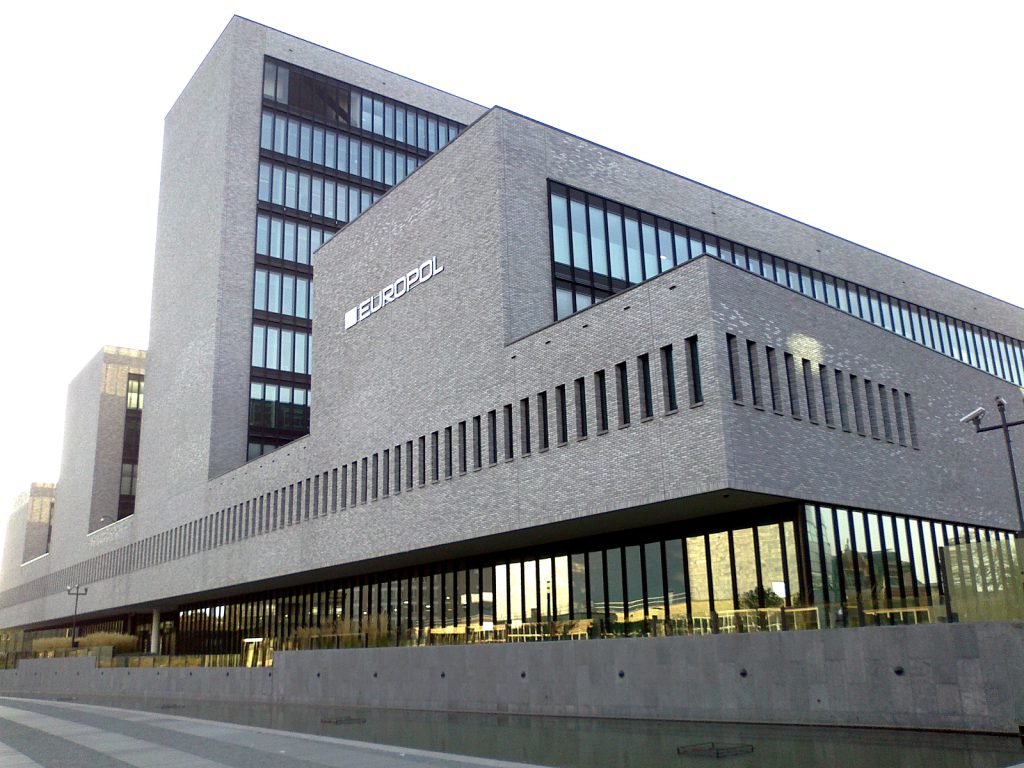
The results were announced on Thursday, 12 November 2026, by the United States Department of Justice and Europol, the European Union’s police agency. Officers also seized about 5.7 metric tons of illegal drugs, 209 firearms and 38 pill presses used to make fake prescription tablets.
The FBI called it the largest takedown of dark web drug vendors and buyers ever carried out.
What happened in Operation TorNado?
Operation TorNado was an 18-month international police operation that ran from May 2025 to October 2026. It was coordinated by Europol and led in the United States by the Joint Criminal Opioid and Darknet Enforcement team, known as JCODE — a group of American federal agencies that works together to fight drug crime on the internet.
Police from the United States, the United Kingdom, Australia, France, Germany, Hungary, the Netherlands, New Zealand, Austria, Ireland, Czechia, Slovenia and Finland took part, along with Europol and Eurojust, the EU agency that helps countries work together on criminal cases.
The operation focused on people who bought and sold drugs on dark web marketplaces — hidden websites that can only be reached with special software and that promise buyers and sellers anonymity. Many of the targets had been active on five marketplaces that police had already seized and shut down: Archetyp, Bohemia, Nemesis, Kingdom and Tor2Door.
When police take over a marketplace, they gain access to its records: usernames, messages, payment details and delivery addresses. Investigators used that information to identify the real people behind anonymous accounts, then built separate cases against them in their own countries.
“Operation TorNado is the largest interagency takedown of Dark Web drug vendors and buyers to date, resulting in 354 arrests worldwide, including 132 in the United States,” said FBI Director Kash Patel.
What did police seize?
The scale of the seizures shows how large the dark web drug trade has become. According to the US Department of Justice, Operation TorNado resulted in:
- 354 arrests in 14 countries
- More than $234 million in cash and virtual currencies
- About 5.7 metric tons of illegal drugs, including fentanyl and other opioids, methamphetamine, heroin, cocaine, ecstasy and MDMA
- 209 firearms
- 38 pill presses, machines used to stamp out fake prescription pills
Europol put the European share of the seizures at more than 60 million euros in cash and cryptocurrency, along with 950 kilograms of drugs and 57 firearms. In the United States alone, police seized more than 4.8 metric tons of drugs and 152 firearms.
Attorney General Todd Blanche said the operation had “crippled Dark Web market vendors” and would bring alleged drug traffickers to justice. “Nothing will stop the Trump Administration from identifying and dismantling drug trafficking networks,” he said.
Where were the arrests made?
The United States accounted for the largest number of arrests, with 132 people detained. The United Kingdom was second with 59 arrests, followed by Hungary with 45 and Germany with 41.
The full breakdown was:
- United States: 132
- United Kingdom: 59
- Hungary: 45
- Germany: 41
- France: 23
- New Zealand: 13
- Netherlands: 12
- Slovenia: 11
- Austria: 6
- Ireland: 5
- Czechia: 4
- Australia: 2
- Finland: 1
The Department of Justice said a number of investigations are still going on to identify more people behind dark web accounts, so the final number of arrests could rise.
How did police track the dealers down?
The dark web promises anonymity, but police have spent years learning how to work around it. Operation TorNado shows how that work is done.
First, police seize a marketplace. When officers shut down sites such as Archetyp and Bohemia, they did not just switch the lights off — they collected the data inside. That data became the starting point for hundreds of investigations.
Second, investigators follow the money. Cryptocurrency payments leave a trail, and specialists from the US Internal Revenue Service’s criminal investigation unit, the IRS-CI, traced payments from buyers to sellers. “Criminal networks may operate across borders and in the shadows of the Dark Web, but they cannot operate without money,” said IRS-CI Chief Jarod Koopman.
Third, police make secret purchases. Undercover officers bought drugs from vendors, then tracked the parcels through the postal system. The US Postal Inspection Service played a key role here. “No matter where criminals attempt to hide, the US Postal Inspection Service and our partners around the world will pursue them, dismantle their networks, and bring them to justice,” said Chief Postal Inspector Gary Barksdale.
The operation brought together a long list of American agencies: the FBI, the Drug Enforcement Administration (DEA), Homeland Security Investigations, the Food and Drug Administration’s criminal investigators, the Bureau of Alcohol, Tobacco, Firearms and Explosives, US Customs and Border Protection, and the Treasury Department’s financial crime units, among others.
The cases behind the headlines
The Department of Justice gave details of several prosecutions that came out of the operation. They show the human cost of the trade — fake pills and powerful drugs sold to people who often had no idea what they were really taking.
In Florida, two brothers were arrested for allegedly running a dark web shop called “BarbaraWhite” that sold counterfeit oxycodone pills laced with nitazenes — synthetic opioids that can be as strong as, or stronger than, fentanyl. Stanislav Chernyshov, 30, and his brother Vladislav Chernyshov, 35, are accused of shipping more than 1,000 parcels to 49 states. Investigators linked their products to several fatal and non-fatal overdoses. Each faces up to 20 years in prison if convicted.
In North Carolina, Alexander Green, 32, was arrested for allegedly running a drug trafficking group called STARLABS on DrugHub, a marketplace that only accepted the cryptocurrency Monero. His group is linked to two overdose deaths in Ohio. Police seized about 200 grams of methamphetamine and more than two kilograms of counterfeit pills containing fentanyl. He faces up to 20 years in prison if convicted.
In California, Jonatan Gonzales, 35, was arrested after police identified him as the vendor “SpeedyPharma”, who shipped methamphetamine, black tar heroin, cocaine and a synthetic drug known as K2 to addresses in all 50 states. A search of his home found 48 pounds of methamphetamine, 588 grams of cocaine, 386 grams of black tar heroin, small amounts of fentanyl and carfentanil, and more than $40,000 in cash. He faces up to life in prison if convicted.
In New Jersey, five men were arrested as part of a New York and New Jersey distribution cell that sold counterfeit Xanax, MDMA, ketamine and other drugs through the mail. Police seized about 300 kilograms of drugs from homes and storage units. The men face up to 20 years in prison if convicted.
And in Georgia and Florida, two men were arrested for allegedly selling large amounts of heroin and fentanyl under the names “Postmates” and “FuegoPacksXpress”. Police seized 4.5 kilograms of heroin, fentanyl, MDMA and 25 firearms. Both face up to life in prison if convicted.
Federal prosecutions are now under way in more than 20 federal districts across the United States.
What is the dark web?
The dark web is a part of the internet that is not listed by search engines and cannot be reached with a normal web browser. People use special software, most commonly a browser called Tor, to visit it. Tor hides a user’s location and identity by routing their connection through a series of computers around the world.
The technology itself is legal and has legitimate uses — journalists, researchers and people living under repressive governments use it to protect their privacy. But the same anonymity has made it a marketplace for crime. Hidden websites sell illegal drugs, stolen data, fake documents and weapons, with payment usually made in cryptocurrency.
Police have been fighting dark web crime for more than a decade. The most famous early marketplace, Silk Road, was shut down in 2013. Since then, new markets have appeared, grown, and been taken down in turn. Each takedown gives police more information — and each new market learns from the last one’s mistakes.
Operation TorNado is the sixth internationally coordinated action by JCODE since the team was created in 2018, and the US Department of Justice says it is the most extensive so far. It builds on last year’s Operation RapTor.
Why fentanyl is the focus
Much of Operation TorNado was aimed at fentanyl and other synthetic opioids. Fentanyl is a powerful painkiller that is far stronger than heroin. A tiny amount can be deadly, and it is often mixed into other drugs or pressed into fake pills that look like prescription medicine — so people who take them may not know they are taking fentanyl at all.
Dealers like it because it is cheap to make in a lab, easy to ship in small amounts, and very profitable. That combination has made it one of the most dangerous drugs in the world, and a top priority for police in the United States and Europe.
“The sale of illegal drugs through darknet marketplaces carries real and often tragic consequences for consumers and communities alike,” said Assistant Commissioner Justin Green of the Food and Drug Administration’s Office of Criminal Investigations.
The DEA’s administrator, Terrance Cole, said drug traffickers were “exploiting the dark web to distribute fentanyl and other deadly drugs into American communities, profiting from addiction and overdose deaths.”
Why this matters
Operation TorNado matters for three reasons.
First, it is a blow to the idea that the dark web is beyond the law. Police showed they can identify sellers who believed they were anonymous, seize their money and drugs, and put them on trial. “Criminals cannot hide behind technology or geography — no matter where you operate, justice will find you,” said FBI Director Kash Patel.
Second, it disrupts supply. Taking 5.7 tons of drugs, hundreds of guns and dozens of pill presses out of circulation, and arresting the people who ran the networks, makes it harder for the trade to continue — at least for a while.
Third, it is a warning to buyers as well as sellers. Police targeted not only vendors but also buyers on the seized marketplaces. Europol said the operation showed that dark web marketplaces “continue to adapt despite takedowns” — a reminder that the trade does not disappear when one market closes.
What happens next?
The arrests announced on Thursday are not the end of the story. Investigations are still open, and police say more people behind dark web accounts are being identified. Prosecutions will now move through the courts in the United States and in other countries, and some defendants face decades in prison.
At the same time, history suggests new marketplaces will appear to replace the ones that were shut down. Europol itself warned that dark web markets keep adapting. The question is whether operations like TorNado — bigger, faster and more international each time — can keep pace.
For now, though, police are claiming their biggest win yet in a fight that has lasted more than a decade. As Homeland Security Investigations put it: “Criminals can operate in the shadows, but they can’t hide from justice.”
Frequently asked questions
What is Operation TorNado?
Operation TorNado was an 18-month international police operation, from May 2025 to October 2026, that targeted drug dealers on the dark web. It was coordinated by Europol and the US Department of Justice’s JCODE team, with police from 14 countries taking part.
How many people were arrested?
354 people were arrested worldwide, including 132 in the United States, 59 in the United Kingdom, 45 in Hungary and 41 in Germany.
What was seized?
More than $234 million in cash and cryptocurrency, about 5.7 metric tons of illegal drugs, 209 firearms and 38 pill presses.
What is the dark web?
The dark web is a hidden part of the internet that can only be reached with special software such as the Tor browser. It is not indexed by search engines, and it hides the identity and location of its users. It has legal uses, but it is also used to sell illegal drugs and other illicit goods.
Which dark web markets were involved?
The operation targeted vendors and buyers who had been active on marketplaces seized by police, including Archetyp, Bohemia, Nemesis, Kingdom and Tor2Door.
Is this the biggest dark web crackdown ever?
Yes, according to the FBI. Director Kash Patel called it “the largest interagency takedown of Dark Web drug vendors and buyers to date.”
Conclusion
Operation TorNado is the biggest dark web drug crackdown the world has seen: 354 arrests, more than $234 million seized, and tons of deadly drugs taken off the streets. It shows that international police cooperation — and the intelligence gained from seizing marketplaces — can reach sellers who believed the internet made them untouchable.
But it also shows how large the problem has become. When a single operation can seize 5.7 tons of drugs and hundreds of millions of dollars, the trade it is fighting is enormous. The arrests are a major success for law enforcement. Whether they change the drug trade for good will depend on what happens next — in the courts, and on the dark web itself.
Sources
- US Department of Justice, “International Law Enforcement Operation Targeting Opioid and Fentanyl Traffickers on the Dark Web Results in over 350 Arrests Worldwide and the Seizure of Drugs, Weapons, and over $234 Million“: https://www.justice.gov/opa/pr/international-law-enforcement-operation-targeting-opioid-and-fentanyl-traffickers-dark-web
- Europol, “354 dark web vendors and buyers arrested in Europol-coordinated global crackdown“: https://www.europol.europa.eu/media-press/newsroom/news/354-dark-web-vendors-and-buyers-arrested-in-europol-coordinated-global-crackdown
- Bangkok Post, “Global police crackdown on dark web nets 350 arrests“: https://www.bangkokpost.com/world/3353941/global-police-crackdown-on-dark-web-nets-350-arrests
This article is for general information and education only. It is not legal or financial advice.
