
Oviedo Backpack Explosion Kills Spanish Police Officer and Seriously Injures Bomb Expert
A quiet Tuesday morning in the northern Spanish city of Oviedo turned into a tragedy when a hidden explosive device killed a police officer and left a bomb disposal expert fighting for his life. The officers had gone to the scene to deal with a shooting. Instead, they walked into a second, far deadlier danger: a backpack packed with explosives, left at the entrance of a residential building.
The blast has shocked Spain. It has also left investigators with two mysteries to solve at the same time: who shot a teenage girl earlier that morning, and who planted the bomb that killed the officer who came to help?
Here is what we know so far about the Oviedo explosion, what happened step by step, and what happens next.
What Happened in Oviedo?
On Tuesday, 10 November 2026, police in Oviedo, the capital of the Asturias region in northern Spain, were called to the Villafria neighbourhood after reports of a shooting. A 17-year-old girl had been wounded by gunfire during what local officials described as a violent dispute between two families. She was taken to hospital and is out of danger.
When officers arrived at the building on Rafael Urrusti Street, they found something that did not belong there: a backpack sitting at the entrance. It was partly open, and a flashing light could be seen coming from inside.
The officers did the right thing. They stepped back and called in the specialists: the police bomb disposal unit, known as TEDAX, and officers from the police canine unit, who are trained to work with sniffer dogs around explosives.
But as a sub-inspector from the canine unit approached the backpack to examine it, the device inside exploded. The blast, at around 9am local time, killed him on the spot. A TEDAX bomb disposal officer standing nearby was caught in the explosion and suffered terrible injuries, including the loss of a leg. He was rushed to the Central University Hospital of Asturias, where doctors said he was in critical condition.
Spain’s National Police confirmed the death in a message on X, naming the dead officer as Juan Jose, a member of its Special K-9 Unit. The police union JUPOL said the injured TEDAX officer remained in a very serious condition and that it was closely following his treatment.
Later in the day, local media reported one more sad detail: Deny, a three-year-old German Shepherd police dog who had been on duty alongside his handler Juan Jose, also died in the explosion.
A Morning That Turned Deadly: The Timeline
The events of Tuesday morning unfolded quickly. Here is the timeline based on reports from Spanish media, the police, and international news agencies.
Around 7:30am: Police receive a report of a shooting in the Villafria neighbourhood, on the outskirts of Oviedo. A 17-year-old girl has been wounded by gunfire. According to local officials, the shooting followed a dispute between two families. The injured girl is taken to hospital. She is out of danger.
Shortly afterwards: Police officers arrive at the scene. At the entrance of a residential building, they spot a backpack. It is partly open, and there is a flashing light inside. Suspecting it may contain an explosive device, they call for the TEDAX bomb disposal unit and the canine unit.
Around 9am: A sub-inspector from the National Police canine unit approaches the backpack to examine it. The device detonates. The officer is killed instantly. A TEDAX officer beside him is seriously wounded and loses a leg. He is taken to the Central University Hospital of Asturias in critical condition.
Later on Tuesday: Police seal off the area and launch a large search operation. The suspect in the shooting, who is believed to have fled the scene, remains at large. Police say he may still be armed and should be considered dangerous.
Some local reports place the explosion slightly earlier, at around 8:40am. The exact minute is less important than the sequence: a shooting, a suspicious bag, and then a deadly blast while officers were doing their job.
Who Were the Officers?
The officer who died was Juan Jose, a sub-inspector in the National Police’s canine unit. He worked with police dogs, and on Tuesday morning his partner was Deny, a three-year-old German Shepherd. Both died in the blast.
Spain’s National Police paid tribute to him in a public message, saying: “We are devastated by the death of our colleague Juan Jose, from the Special K-9 Unit, which occurred while he was inspecting a suspicious backpack in Asturias.”
The injured officer belongs to TEDAX, the National Police’s bomb disposal unit. According to the police union JUPOL, he lost a leg in the explosion and remains in a critical condition in hospital. His name has not been made public.
Police dogs like Deny are a familiar part of police work in Spain and around the world. They are trained to detect explosives, drugs, and missing people, and they work closely with their handlers, often for years. The death of the dog alongside his handler has added to the sense of loss felt across the force.
What Is TEDAX?
TEDAX is the bomb disposal unit of Spain’s National Police. Its full name is TEDAX-NRBQ, which covers explosives and chemical, biological, radiological and nuclear threats.
TEDAX officers are among the most highly trained police specialists in Spain. They are called when a suspicious package is found, when explosives are discovered, or when there is a bomb threat. Their job is to examine the device, decide whether it can be made safe, and dispose of it without putting the public at risk. It is one of the most dangerous jobs in policing, and TEDAX teams are called out regularly across Spain.
On Tuesday in Oviedo, the TEDAX team was doing exactly what it is trained to do: responding to a suspicious bag that could have put many more people in danger. The fact that the device exploded while officers were examining it shows how unpredictable such devices can be, even for experts.
The Shooting That Came First
The explosion cannot be understood without the shooting that brought police to the scene in the first place.
Early on Tuesday morning, a 17-year-old girl was shot and wounded in the Villafria neighbourhood. Local officials said the shooting followed a dispute between two families. The girl was taken to hospital, and doctors say she is out of danger.
The man believed to have fired the shots fled the scene before police arrived. According to Spanish media, he has a criminal record that includes theft offences, and police consider him dangerous. A manhunt is now under way to find him.
This is where the case becomes complicated. Investigators do not yet know whether the shooting and the explosive device are connected. It is possible that the same person was responsible for both: shooting the girl, then leaving a booby-trapped backpack for the police who would come to investigate. It is also possible that the two events are separate, and that the backpack was left for a different reason. So far, the authorities have not confirmed a link, and they have not confirmed a motive.
That uncertainty is normal in the first hours of an investigation like this. Police need time to examine the scene, test the remains of the device, speak to witnesses, and check camera footage. Until they do, any claim about a motive would be guesswork.
The Manhunt
Spanish police have launched a large operation in and around Oviedo to find the suspect. Officers are searching the area near the scene of the explosion, and the National Police have warned that the man may still be armed.
As of Tuesday evening, no arrest had been confirmed. Police have not released the suspect’s name.
Manhunts of this kind usually involve several steps at once. Police seal off the immediate area, check nearby streets and buildings, speak to neighbours and witnesses, and review footage from security cameras. They also check whether the suspect has contacts or places to hide in the area. If the suspect is believed to be armed, officers move carefully, because a cornered armed person is dangerous.
The public has been asked to stay away from the area around Rafael Urrusti Street while the operation continues, and to report anything suspicious to the police.
Why This Case Is Unusual
Bomb attacks on police are rare in Spain today. The country has a long history of dealing with terrorism: the Basque separatist group ETA carried out bombings for decades before declaring an end to its armed campaign in 2011, and jihadist attackers struck Madrid in 2004 and Barcelona in 2017. But in recent years, Spain has not seen attacks of this kind.
That is one reason the Oviedo explosion has drawn so much attention. A booby-trapped backpack, left at the entrance of a residential building, is not a common crime. It suggests planning. Whoever left it knew, or guessed, that police would come to that building after the shooting, and that they would examine anything suspicious they found there.
But investigators are keeping an open mind. The dispute between the two families may hold the key. Family feuds can turn violent, and in this case the violence appears to have escalated from a shooting to a bomb in the space of a single morning. Whether the bomb was aimed at the police, at the other family, or at someone else entirely is still unknown.
What is clear is that the device was real, powerful, and deadly. It killed a trained officer and a police dog, and it left a bomb disposal expert with life-changing injuries.
What Happens Next?
The investigation in Oviedo will now move through several stages.
First, forensic experts will examine what is left of the explosive device. The type of explosive, how it was built, and how it was triggered can tell investigators a great deal: whether it was made by someone with experience, what materials were used, and where those materials may have come from.
Second, police will continue the manhunt for the suspect in the shooting. If he is arrested, he will be questioned about both the shooting and the backpack.
Third, investigators will piece together the connection, if any, between the two events. They will speak to the families involved, to neighbours, and to the injured girl when she is able to talk. They will also check whether there were earlier threats or disputes that could explain what happened.
Finally, the Spanish authorities will review how the incident was handled. When a device explodes while experts are examining it, police forces always ask whether procedures need to change. That is standard practice after any incident in which an officer is killed.
For the people of Oviedo, the immediate question is simpler: is the area safe? Police have said the operation is ongoing and have asked the public to stay away from the scene. There is no suggestion of a wider threat to the city, and no other devices have been reported.
The Reaction in Spain
The death of a police officer on duty always hits hard in Spain, and the tributes began within hours. The National Police’s public message about Juan Jose was shared widely, and the police union JUPOL said it was deeply saddened by the loss.
The injured TEDAX officer’s condition has also been a focus of attention. Losing a leg is a life-changing injury, and his colleagues and the union have said they are monitoring his condition closely.
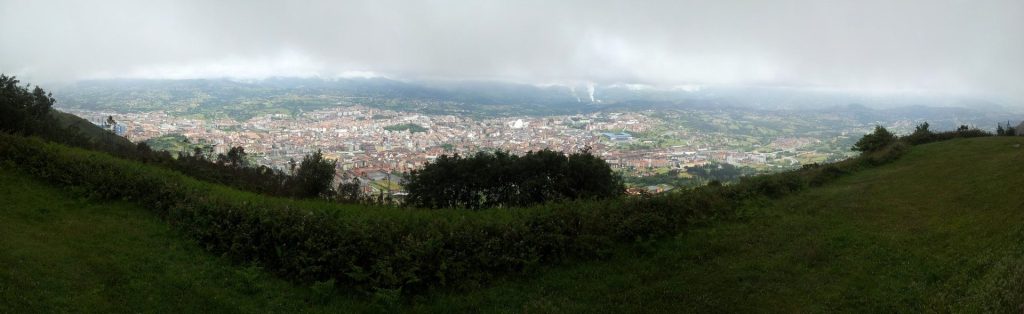
Oviedo itself is a quiet city of around 220,000 people, the capital of Asturias in the green, mountainous north-west of Spain. It is better known for its historic old town, its cathedral, and its cider than for violent crime. A morning like Tuesday’s is far from normal life there, and the shock in the city is real.
Frequently Asked Questions
What happened in Oviedo, Spain, on 10 November 2026?
A Spanish National Police officer was killed and a bomb disposal expert was seriously injured when an explosive device hidden in a backpack detonated in the Villafria neighbourhood of Oviedo. Officers had been called to the area after a 17-year-old girl was wounded in a shooting earlier that morning.
Who died in the Oviedo explosion?
Juan Jose, a sub-inspector in the National Police’s canine unit, was killed when the device exploded as he examined the backpack. His police dog, Deny, a three-year-old German Shepherd, also died in the blast.
Who was injured in the blast?
An officer from TEDAX, the National Police’s bomb disposal unit, was seriously injured and lost a leg. He was taken to the Central University Hospital of Asturias and remains in critical condition.
Was the shooting connected to the explosion?
It is not yet known. Police are investigating whether the person who shot the girl also planted the explosive device, or whether the two events are separate. No link has been confirmed so far.
Has anyone been arrested?
No. As of Tuesday evening, the suspect in the shooting remained at large, and police said he may still be armed. A large search operation is under way in Oviedo.
Is Oviedo safe now?
Police have sealed off the area around the scene and asked the public to stay away while the operation continues. No other explosive devices have been reported, and there is no suggestion of a wider threat to the city.
Conclusion
The Oviedo explosion is a reminder of how quickly an ordinary police call can turn deadly. Officers went to a residential street to deal with a shooting. They found a bag that looked wrong, called the experts, and followed the rules. One of them did not come home.
Juan Jose’s death, the serious injuries suffered by his TEDAX colleague, and the loss of the police dog Deny have left Spain’s National Police in mourning. The questions now are for the investigators: who planted the bomb, why, and whether the shooting and the explosion were the work of the same person.
Until those questions are answered, the people of Oviedo, and the police officers who serve them, will be waiting for news of the manhunt — and for the injured bomb disposal expert to pull through.
Sources
- Times Now
- China Daily (Xinhua)
- The News (Pakistan)
- TimesLIVE (Reuters)
- Ynet
- Saudi Gazette
- Outono (Elentir)
This article is for general information and education only. It is not legal or financial advice.
