
Punjab Sugar Mills Defy Government Order as Crushing Season Stalls — Farmers Demand Rs700 Support Price
Most sugar mills in Punjab failed to start crushing sugarcane on Sunday, 15 November, defying a provincial government order that said the crushing season must begin by that date. Only one mill in the whole province followed the instruction, leaving farmers with a record crop standing in their fields and no buyer in sight.
The standoff is now a direct test of who sets the terms of Pakistan’s sugar season: the government, which wants mills open on time and farmers paid, or the mill owners, who say the law gives them until the end of the month. Both sides are due to hold press conferences on Monday, 16 November, to put their case in public.
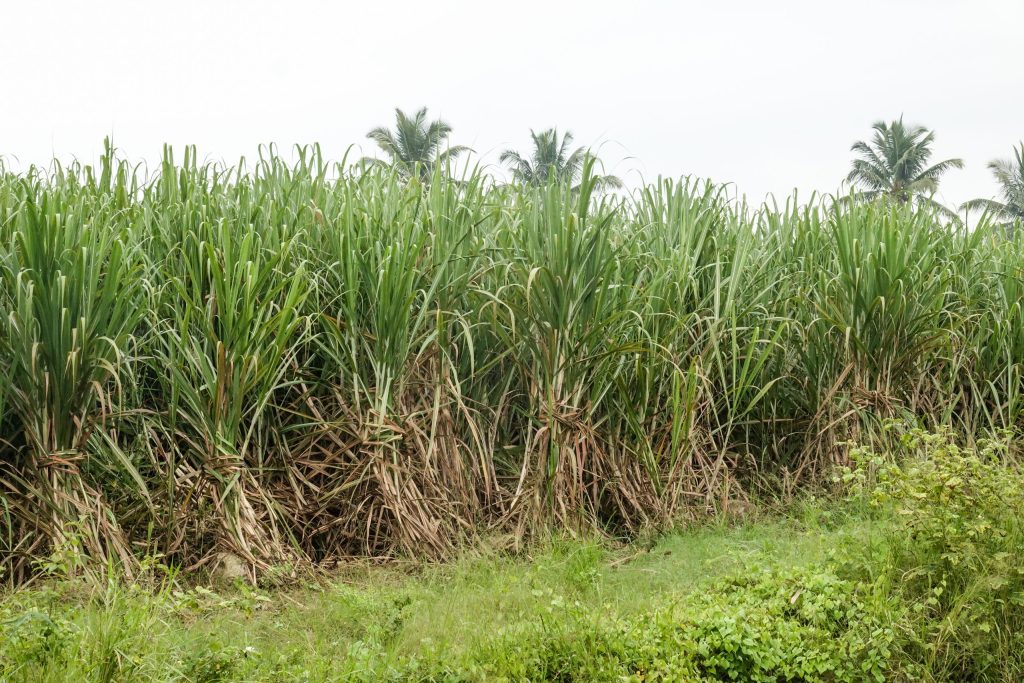
For the farmers, the delay is not a small inconvenience. Sugarcane has been grown on 2.452 million acres in Punjab this year — 16 percent more land than last year — and every day the mills stay shut, the crop waits, the bills pile up, and the price of their cane stays unknown.
What happened on Sunday
The Punjab government had issued a clear instruction: sugar mills must start buying sugarcane and begin crushing within 24 hours, with the season to start by 15 November. The notification was issued by the Punjab Food Safety and Consumer Protection Department on behalf of the governor, and it told deputy commissioners across the province to make sure mills complied. Copies were sent to the federal secretaries for national food security and industries.
When Sunday came, almost nothing happened. According to Dawn, most mills across Punjab did not begin crushing. Only Ramzan Sugar Mills complied with the order, a Pakistan Sugar Mills Association (PSMA) official confirmed.
The picture was the same in the south of the province. In Rahim Yar Khan district, all six sugar mills failed to start buying cane on Sunday, the Express Tribune reported. One mill, Hamza Sugar Mill, briefly opened its cane gate and let a few tractor trolleys in — then closed it again.
Crushing has also yet to begin in Sindh, according to Khalid Hussain Bath, president of a farmers’ group, who spoke to Dawn. That means the delay is not limited to one province. Across the country’s two main sugar-producing regions, the season that was supposed to start on 15 November has not started at all.
What farmers are demanding
Farmers’ groups want one thing above all: a fixed support price for their sugarcane, announced now. Their demand is Rs700 per maund (40 kg).
On Sunday, farmer leaders Khalid Mahmood Khokhar, Chaudhry Muhammad Yasin and Syed Mahmoodul Haq Bukhari demanded that the government fix the minimum sugarcane price at Rs700 per maund and order the mills to start crushing immediately.
Their argument is about costs. The price of fertiliser, farm pesticides, diesel and electricity has risen sharply, they say, and the cost of growing and looking after a sugarcane crop has gone up several times over. Without a support price, farmers do not know what their crop is worth — and they cannot plan, borrow or pay off the debts they took on to grow it.
Khalid Hussain Bath put it bluntly: the government’s notification had proved ineffective, the mills were still closed, and growers were already losing money. He said farmers were facing market uncertainty and higher prices for DAP fertiliser, and he demanded that the government announce a support price at once, make mills buy all approved cane varieties, and give surplus sugar to farmers. He also urged Prime Minister Shehbaz Sharif to take immediate notice of the farmers’ complaints.
The demand for Rs700 is not new. On Friday, 14 November, the Pakistan Tehreek-e-Insaf’s Punjab farmers’ wing made the same call. Its general secretary, Mian Ejaz Shafi, warned of a looming agricultural crisis, blaming fertiliser shortages, alleged black-marketing of wheat seed, rising production costs and the delay in the crushing season. He said farmers had produced a record yield — around 16 percent higher than in previous years — but were unsure how they would sell it, because the mills had not opened and the government had not announced a support price. He urged the government to fix the price at Rs700 per maund and make all mills start crushing from 15 November.
What the mills say
The mill owners have not stayed silent, but their argument is legal rather than financial — at least in public. The PSMA’s north zone says that under the Sugarcane Act 1950, sugar mills have until 30 November to begin crushing. In their reading of the law, the government’s 15 November deadline is a request, not a binding date, and the mills are within their rights to start later.
That position matters because it shapes what the government can actually do. If the mills are right about the law, the province cannot simply fine or punish them for opening on, say, 25 November instead of 15 November. The government would need a different lever — political pressure, or a new notification with stronger legal backing.
The mills also point to the market. According to official sources quoted by Dawn, mills will set sugarcane prices through a market-based mechanism, while the provincial government monitors rates to protect growers. In plain terms, the government is not fixing the price itself this year. It is letting mills and farmers settle the price between them, and promising to step in if growers are treated unfairly. Farmers, who have far less bargaining power than mill owners, are not reassured by that promise — which is exactly why they want a fixed support price of Rs700 announced in advance.
Both sides will state their positions publicly on Monday. The PSMA north zone and farmer groups have each scheduled press conferences for 16 November.
Why the date matters
The 15 November date was not picked at random. Earlier this month, the Sugar Advisory Board set 15 November as the nationwide start of the crushing season. The decision followed detailed discussions with provincial governments, the PSMA, cane commissioners and officials from the ministries of industries, production and commerce — all aimed at preventing delays that hurt growers.
Federal Minister for National Food Security and Research Rana Tanveer Hussain chaired that meeting, which was attended by a PSMA delegation led by Chaudhry Zaka Ashraf. The minister warned of strict action against any mill that failed to start on time, and promised that farmers would be paid what they are owed before crushing began.
“Payment of dues to farmers will be ensured before the commencement of crushing,” he said. “The government is making all decisions in the best interest of farmers to prevent their exploitation.”
That promise is important because unpaid dues are a recurring complaint in the sugar sector. Farmers often deliver cane and then wait weeks or months to be paid. The minister’s statement was meant to reassure growers that this year would be different. The mills’ refusal to open at all has made that promise harder to keep.
Timing matters for another reason: the wheat season. Sugarcane is a long crop, and once it is harvested, farmers need their fields clear to sow wheat, Pakistan’s staple food crop. Every week the cane sits unharvested pushes wheat sowing later, and late-sown wheat generally gives a smaller harvest. So a delay in crushing is not just a sugar problem — it can become a wheat problem too.
A familiar standoff
Anyone who follows Pakistan’s sugar sector will find this story familiar, because the same fight happens almost every year. The pattern is well known: the government announces a start date, the mills say they need more time, farmers demand a support price, and the season starts late while everyone blames everyone else.
Last year, the dispute went further than words. In November 2025, the Competition Commission of Pakistan (CCP) issued show-cause notices to ten sugar mills in Punjab for colluding over the start of the crushing season and the price of cane. The CCP found that representatives of the mills had met on 10 November 2025, hosted by Fatima Sugar Mills, and collectively decided to start crushing on 28 November instead of the officially notified date of 15 November. They had also agreed together to fix the cane purchase price at Rs400 per maund.
Under the Competition Act 2010, agreements between market players to fix prices or coordinate business decisions are banned. The CCP said there was a large gap in bargaining power between mill owners and farmers, and that the cane price should be set by individual negotiation between each mill and farmers, based on supply and demand — not fixed in advance by all the mill owners together. The CCP also warned that delaying crushing at the start of the season can disrupt the supply of sugar and push retail prices up.
That history is why farmers are suspicious this year. When mills stay shut together and no support price is announced, growers fear the same thing is happening again: a coordinated delay that keeps the cane price low and leaves farmers with no choice but to accept whatever the mills offer.
What happens next
Three things will decide how this standoff ends.
First, the press conferences on Monday. Both the millers and the farmers will set out their positions in public, and the tone of those statements will show whether either side is ready to compromise — or whether the fight is about to get louder.
Second, the government’s next move. The provincial government told deputy commissioners to enforce the order, but so far only one mill has complied. If the government wants the rest to open, it will need to show it has the legal power and the will to act. The federal minister has already promised strict action against mills that miss the deadline. Whether that action follows is the question farmers are asking.
Third, the price. The gap between what farmers want (Rs700 per maund) and what mills are willing to pay is the heart of the dispute. The government has said prices will be set by the market, with official monitoring. Farmers want a fixed number. Until that gap closes, the mills have little reason to open their gates.
For now, the crop is still standing in the fields. Punjab planted 16 percent more sugarcane this year than last, so there is more cane than ever waiting to be crushed. If the mills open in the next few days, the season can still run normally. If the standoff drags on, farmers will face mounting losses, wheat sowing will be pushed back, and sugar supplies — and prices — could feel the strain in the months ahead.
Frequently asked questions
Why have Punjab’s sugar mills not started crushing?
Most mills did not open on 15 November, the date set by the Sugar Advisory Board and ordered by the Punjab government. The mill owners’ association says that under the Sugarcane Act 1950, mills have until 30 November to begin crushing. Only Ramzan Sugar Mills complied with the order.
How much sugarcane was planted in Punjab this year?
Sugarcane was planted on 2.452 million acres in Punjab this year, which is 16 percent more than last year. That means there is a bigger crop than usual waiting to be crushed.
What support price are farmers demanding?
Farmers’ groups want the government to fix the minimum sugarcane price at Rs700 per maund (40 kg). They say rising costs for fertiliser, pesticides, diesel and electricity have made cane farming far more expensive, and they need a guaranteed price before they sell their crop.
What did the government say about the delay?
Federal Minister for National Food Security and Research Rana Tanveer Hussain warned of strict action against mills that fail to start on time. He also promised that farmers’ dues would be paid before crushing begins, and said the government was making decisions in the best interest of farmers to prevent their exploitation.
Has this happened before?
Yes. In November 2025, the Competition Commission of Pakistan issued show-cause notices to ten Punjab sugar mills for collectively deciding to delay crushing and fix the cane price at Rs400 per maund. The CCP said such coordination between mills breaks competition law.
What happens next?
Both the millers and farmer groups are holding press conferences on Monday, 16 November. Farmers are waiting to see whether the government enforces its order and whether a support price is announced.
Conclusion
The sugarcane standoff in Punjab is a fight about timing, price and power. The government set a date and the mills ignored it. Farmers grew a bigger crop than ever and now cannot sell it. The mill owners say the law is on their side; the farmers say the market is rigged against them.
What happens in the next few days will matter well beyond the sugar mills. If the season starts soon and farmers are paid fairly, the record crop can become a success story. If the standoff drags on, growers will lose money, wheat sowing will slip, and the price of sugar on shop shelves could rise. The press conferences on Monday will be the first sign of which way this goes.
Sources
- “Punjab sugar millers snub order to begin crushing from weekend” — Dawn
- “RY Khan mills disregard sugar crushing order” — The Express Tribune
- “PTI warns of agricultural crisis, seeks Rs700 sugarcane support price” — The Nation
- “CCP Issues Show Cause Notices to Sugar Mills for Collusion” — Competition Commission of Pakistan
This article is for general information and education only. It is not legal or financial advice.
