
WHO calls for safe, healthy housing for all on World Cities Day as 3.4 billion people face inadequate homes
On World Cities Day, 31 October 2026, the World Health Organization called on governments, planners and health officials to treat housing as a health issue, not only as a building issue. It said every person should be able to live in a home that is healthy, safe and accessible, whatever their age, income or circumstances.
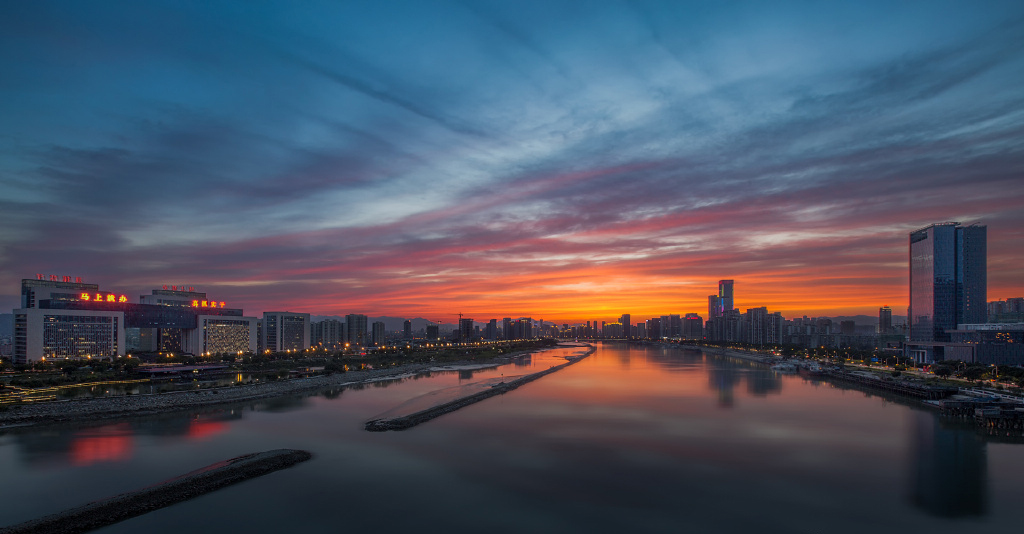
The call came as the United Nations marked the day in Fuzhou, China, under the theme “Regenerating the City: Adequate Housing for All”. Leaders, urban experts, United Nations officials and community representatives gathered there to discuss how cities can renew older neighbourhoods and expand access to affordable homes, without pushing existing residents out.
At a glance
What happened: On 31 October 2026, World Cities Day, WHO called for greater action to ensure everyone can live in healthy, safe and accessible housing, under the theme “Regenerating the City: Adequate Housing for All”.
Why it matters: At least 3.4 billion people face some form of housing inadequacy, and more than 1.1 billion live in informal settlements and slums, where poor housing can damage health at every stage of life.
What happens next: The Fuzhou programme was scheduled to continue until 2 November, with forums on 1 November on planning, governance and financing for inclusive urban regeneration and adequate housing.
What WHO actually said
WHO published its World Cities Day message on 31 October 2026. It said housing is far more than a roof over our heads, and that healthy, safe and accessible housing is fundamental to health and well-being throughout life. Adequate housing, it said, protects people from health risks, supports healthy development in childhood and promotes independence and quality of life in older age.
The organisation pointed to the pressures that make this a defining challenge for cities. As urban populations grow rapidly, access to adequate housing is becoming harder to secure. Poor housing conditions, overcrowding, exposure to heat and cold, air pollution and environmental hazards can damage health across the whole course of a life. At the same time, WHO said, investing in healthy housing can generate significant benefits for individuals, communities and health systems.
WHO also asked all sectors involved in housing, urban development and public health to work together, and it said every person should have a voice in decisions about where and how they live. To support that work, WHO pointed to its Housing and health guidelines and its Global guide for action on urban health.
The scale of the housing crisis
The figures behind World Cities Day 2026 are stark. UN-Habitat, the United Nations agency for sustainable urbanisation, said up to 3.4 billion people worldwide experience some form of housing inadequacy. That is more than one in three people on the planet. The figure includes people who lack secure tenure, basic services, affordable living conditions or a home that is safe and adequate in other ways.
More than 1.1 billion of those people live in informal settlements and slums. These are neighbourhoods that developed without formal planning approval or legal land rights, and that often lack clean water, sanitation, electricity and other basic services. The number of people living in such settlements has risen sharply, from 895 million in 2000 to 1.13 billion in 2024, according to a summary of UN-Habitat’s World Cities Report 2026 by Habitat for Humanity. The same summary notes that the figure is likely still an underestimate, because many informal homes and residents are not counted in official data.
The World Cities Report 2026, launched at the World Urban Forum in May 2026, found that at least 3.4 billion people face some type of housing inadequacy, up from 2.8 billion in 2023 estimates. Affordability is a central part of the problem. Between 2010 and 2023, the global price-to-income ratio increased from 9.3 to 11.2, while 44 percent of renters now face unaffordable housing costs. The global housing shortfall exceeds 268.8 million units. Yet the report stresses that expanding supply alone will not deliver affordability.
Displacement adds another layer. At least 64 million people have been displaced from informal settlements over the past two decades, contributing to a broader global total of around 133 million forcibly displaced people as of 2024. The report estimates that more than 3 trillion US dollars a year is needed through 2030 for adequate, affordable housing globally.
How a home affects health
The link between housing and health shows up in everyday life. A damp home can worsen asthma and other respiratory conditions. A cold home in winter can increase the risk of respiratory illness and heart problems, especially for older people and young children. A home that overheats in summer can turn a heatwave into a medical emergency. Overcrowding makes it easier for infectious diseases to spread, and harder for children to study, sleep and rest.
WHO’s message draws these threads together across the life course. In childhood, adequate housing supports healthy development. In adult life, a stable home supports work, family life and mental well-being. In older age, housing and neighbourhood design can help people remain healthy, connected and independent. That is why WHO highlighted its work on age-friendly cities and communities.
Mental health is part of the picture too. Insecure tenure, the constant fear of eviction, unaffordable rent and poor living conditions can add stress and anxiety to daily life. The health effects are not shared equally. Within cities, the worst health outcomes are often concentrated in slums and informal settlements.
Housing and the climate
Housing is closely connected to climate change, in two directions. Homes contribute to emissions, and homes are on the front line of climate impacts. On emissions, the building and construction sector accounts for 37 percent of global carbon dioxide emissions, according to the World Cities Report 2026 summary. Housing alone is responsible for 17 to 21 percent of total emissions. The challenge, the report argues, is not only how many homes are built, but where and how they are built. With 60 percent of the buildings expected to exist in 2050 yet to be built, the coming decades present a major opportunity to decarbonise housing through better design, materials and planning.
On impacts, housing shapes how people cope with extreme heat and severe weather. A well-insulated home with shade, ventilation and energy-efficient cooling can protect residents during a heatwave. A home built on flood-prone land, with poor drainage and no protection from storms, can put residents at risk every time heavy rain falls. Improvements that increase energy efficiency and reduce emissions can also create healthier indoor environments, WHO said, linking climate adaptation and mitigation to everyday health. WHO works with local governments through the Partnership for Healthy Cities, which is helping cities respond to the growing health risks associated with extreme heat.
Regeneration without pushing people out
The theme of World Cities Day 2026 was “Regenerating the City: Adequate Housing for All”. Regeneration means renewing existing urban areas, rather than only building new neighbourhoods on the edge of a city. It can mean upgrading homes and infrastructure, improving public spaces, adding services and making neighbourhoods more resilient to climate change.
Done well, regeneration can expand housing, upgrade infrastructure and improve public spaces, making cities more resilient, inclusive and better connected. That was the message of United Nations Secretary-General António Guterres in his message marking World Cities Day. He said housing is more than just shelter, and described it as foundational to tackling inequality and speeding sustainable development. He urged cities to create greener, safer and more affordable urban environments where everyone has a place to call home.
Done badly, regeneration can do the opposite. It can raise rents and property values, displace low-income families and replace affordable homes with homes that existing residents cannot afford. That risk was a central warning at the Fuzhou observance. Speaking there, UN-Habitat Executive Director Anacláudia Rossbach said urban regeneration should not simply replace old neighbourhoods with new developments but should deliver tangible improvements in people’s lives. “Regeneration has always been part of how a city stays alive. But regeneration isn’t about replacing the old with the new. It’s about whether people’s lives get better,” she said, according to reporting from the Fuzhou observance. Malaysia’s Minister of Housing and Local Government, Nga Kor Ming, warned against turning urban renewal into gentrification that displaces vulnerable populations.
What happened in Fuzhou
The global observance of World Cities Day 2026 took place on 31 October in Fuzhou, China, at the Fuzhou Strait International Conference and Exhibition Center. It was jointly organised by China’s Ministry of Housing and Urban-Rural Development, the Fujian Provincial People’s Government and UN-Habitat, and hosted by the Fuzhou Municipal People’s Government. The observance concluded UN-Habitat’s Urban October campaign.
World Cities Day was established by the United Nations General Assembly in 2013 and first celebrated in 2014. Observed annually on 31 October, it promotes international cooperation on urbanisation and sustainable urban development. The 2026 observance was part of a three-day programme running from 31 October to 2 November. The opening ceremony took place on 31 October, and the main forum was scheduled for the morning of 1 November, bringing together more than 100 mayors, representatives of international organisations, experts and scholars from China and abroad.
The opening ceremony also featured the presentation of the fourth cycle of the Global Award for Sustainable Development in Cities, known as the Shanghai Award. Five cities received the 2026 award: Addis Ababa in Ethiopia, Santiago de Cali in Colombia, Istanbul in Türkiye, Jingdezhen in China and Katowice in Poland.
Why this matters for readers in Pakistan
Pakistan’s cities are growing fast, and the issues raised on World Cities Day are familiar to anyone who lives in them. Karachi, Lahore, Islamabad, Rawalpindi and Faisalabad have expanded rapidly, putting new pressure on water, sanitation, transport and health services. Informal settlements have grown alongside formal housing, and many families live in homes that are overcrowded, poorly ventilated or exposed to heat, flooding and air pollution.
Heat is a direct example. In summer, homes that trap heat, lack shade or ventilation, or have no reliable electricity for cooling can become dangerous, especially for older people, young children and people with existing health conditions. During heavy rain, homes in low-lying areas and informal settlements are among the first to flood.
The WHO message does not offer a single solution for Pakistan. Its value for Pakistani readers is in the questions it raises for local decisions. When a new housing scheme is planned, does it include water, sanitation, drainage, transport and health services, or only plots and buildings? When an old neighbourhood is renewed, are existing residents protected from displacement, or are they pushed out by rising rents? A home that is safe, healthy and affordable is not a luxury. It is the base from which children can learn, adults can work and older people can stay independent.
What happens next
The Fuzhou programme was scheduled to continue until 2 November, with forums, side events, exhibitions and city tours aimed at sharing practical approaches to sustainable urban development.
The wider test will come after the observance ends. UN-Habitat’s World Cities Report 2026 calls for housing to be treated as social infrastructure and a public policy priority, not merely as a market commodity, with investment estimated at more than 3 trillion US dollars a year through 2030. WHO’s work will continue through its guidance, tools and city programmes, including its Housing and health guidelines and the Partnership for Healthy Cities. For readers, the simplest way to judge whether the call is being heard is to look at what changes in their own city. Are homes becoming safer, healthier and more affordable, or only more expensive?
Frequently asked questions
What is World Cities Day?
World Cities Day is a United Nations observance held every year on 31 October, first celebrated in 2014, and it concludes UN-Habitat’s Urban October campaign.
What was the theme of World Cities Day 2026?
The theme was “Regenerating the City: Adequate Housing for All”. It focused on how renewing existing urban areas can improve homes and infrastructure, expand access to adequate housing and create more inclusive, resilient and sustainable cities.
What did WHO call for on World Cities Day 2026?
WHO called for greater action to ensure everyone can live in healthy, safe and accessible housing, and it asked housing, urban development and public health sectors to work together so that age, income or circumstance do not determine access to a healthy home.
How many people face inadequate housing?
UN-Habitat said up to 3.4 billion people worldwide experience some form of housing inadequacy, more than one in three people. More than 1.1 billion people live in informal settlements and slums, and the global housing shortfall exceeds 268.8 million units.
How does housing affect health?
Poor housing can damage health in many ways. Damp and cold can worsen respiratory and heart conditions, overheating in summer can turn a heatwave into a medical emergency, and overcrowding makes it easier for infections to spread. Poor sanitation and unsafe water increase the risk of disease, and a home without safe access can increase the risk of falls.
What is urban regeneration?
Urban regeneration means renewing existing urban areas, rather than only building new neighbourhoods on the edge of a city. It can include upgrading homes and infrastructure, improving public spaces and making neighbourhoods more resilient to climate change. It should improve the lives of existing residents and should not displace vulnerable communities.
Where was the global observance held in 2026?
The global observance took place in Fuzhou, China, on 31 October 2026, as part of a three-day programme running until 2 November.
Which cities won the 2026 Shanghai Award?
Five cities received the 2026 Global Award for Sustainable Development in Cities, known as the Shanghai Award: Addis Ababa in Ethiopia, Santiago de Cali in Colombia, Istanbul in Türkiye, Jingdezhen in China and Katowice in Poland.
Conclusion
World Cities Day 2026 put a simple idea at the centre of the global urban debate: a home is not only shelter, it is a foundation for health. WHO’s call for safe, healthy housing for all, and UN-Habitat’s warning that up to 3.4 billion people face inadequate housing, point to the same conclusion. The challenge now is to turn that idea into practice, by planning housing, health, transport, climate and finance together, protecting residents from displacement when neighbourhoods are renewed, and giving people a voice in decisions about where they live.
This article is for general information and education only. It is not legal or financial advice.
Sources
- https://www.who.int/singapore/news/detail-global/31-10-2026-on-world-cities-day-2026–who-calls-for-safe–healthy-housing-for-all (WHO, 31 Oct 2026)
- https://www.devdiscourse.com/article/health/3999945-world-cities-day-who-calls-for-healthy-safe-and-accessible-housing-for-all (Devdiscourse, 31 Oct 2026)
- https://unhabitat.org/sites/default/files/2026/10/media_advisory_wcd_2026.pdf (UN-Habitat, 14 Oct 2026)
- https://www.voice7news.tv/world/news/35571 (Voice7News, 30 Oct 2026)
- https://josephsilali.substack.com/p/world-cities-day-2026-un-puts-affordable (Joseph Silali, Substack, 31 Oct 2026)
- https://www.habitat.org/2026-world-cities-report-5-takeaways (Habitat for Humanity, 2026)
